Industrial facilities face relentless challenges from heavy machinery, constant foot traffic, and demanding operational conditions. Among all flooring solutions, epoxy coatings have emerged as the gold standard for facilities requiring exceptional durability and performance. Understanding how these coatings withstand extreme conditions helps facility managers make informed decisions about their flooring investments.
What Makes Epoxy Coatings Ideal for Heavy Industrial Use?
Industrial epoxy coatings deliver unmatched resilience in environments where conventional flooring fails quickly. These specialized coatings create a seamless, impermeable barrier that protects concrete substrates from mechanical wear, chemical exposure, and moisture infiltration.
The secret lies in their molecular structure. Modern epoxy systems use solids formulations, meaning zero solvents that evaporate during curing. This creates a dense, hardened surface that bonds chemically with prepared concrete. The result? A floor that handles forklift traffic, pallet drops, and continuous material movement without cracking or delaminating.
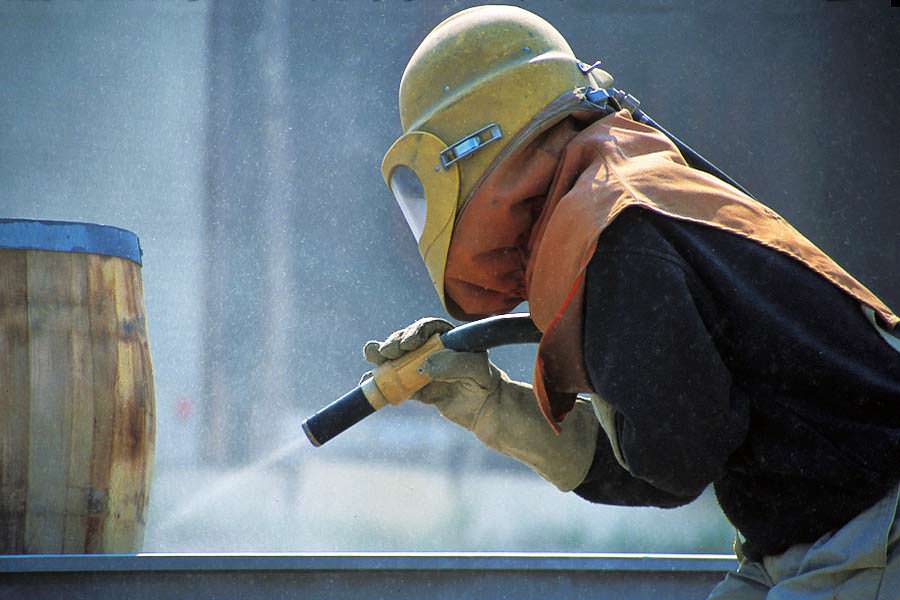
Best industrial epoxy coating contractors understand that proper surface preparation determines coating longevity. Shot-blasting creates the optimal profile for mechanical adhesion, while diamond grinding addresses existing coatings or contamination. This preparation stage removes oils, dusts, and weak concrete layers that compromise bonding.
How Do Epoxy Coatings Handle Different Traffic Patterns?
High-traffic zones experience varying stress types. Loading docks endure repetitive impact from dropped materials. Forklift aisles face constant abrasion from turning wheels. Production areas deal with thermal shock from hot equipment or processes.
Quality epoxy systems address these challenges through strategic formulation. Trowelable epoxy mortars absorb shock from dropped tools and materials. Urethane topcoats provide superior scratch resistance in wheel-path zones. Polyamide epoxies withstand petroleum products, acids, and alkaline cleaners without degradation.
High-performance formulations maintain integrity through temperature fluctuations common in manufacturing environments. Static dissipative systems protect sensitive electronics in production facilities. Anti-slip additives enhance traction in wet processing areas. Each coating specification matches the facility’s operational demands precisely.
What Factors Influence Coating Performance Over Time?
Even the most robust epoxy coatings require proper maintenance protocols. The best industrial epoxy coating contractors educate clients about factors affecting long-term performance. Material handling practices significantly impact coating lifespan. Training operators to lift rather than drag pallets prevents premature wear patterns.
Environmental conditions play crucial roles too. Temperature extremes during application affect curing chemistry. Installing coatings below optimal temperatures compromises adhesion and hardness development. Humidity levels during application can create surface defects that accelerate degradation.
Key Maintenance Practices Include:
- Power scrubbing to remove abrasive particles that act like sandpaper under traffic
- Addressing spills promptly to prevent chemical penetration that weakens coating matrix
- Scheduled inspections to identify wear patterns before major deterioration occurs
- Proper cleaning protocols that maintain coating integrity without damaging the surface
Why Do Surface Preparation Standards Matter?
Many coating failures trace back to inadequate preparation rather than product deficiencies. Concrete surfaces must achieve specific cleanliness and profile standards before coating application. Shot-blasting remains the preferred method, creating consistent anchor patterns for maximum adhesion.
This mechanical preparation removes surface laitance, opens concrete pores, and creates the roughened texture necessary for coating grip. Acid etching works only on pristine concrete without previous coatings or oil contamination. Diamond grinding serves specialized situations like repair work around columns or existing expansion joints.
Professional contractors verify concrete moisture content before application. Excessive moisture creates blistering and delamination as water vapor escapes through the coating. Proper preparation accounts for coating performance success—a reality that separates experienced contractors from inexperienced applicators.
How Do Modern Formulations Address Industrial Challenges?
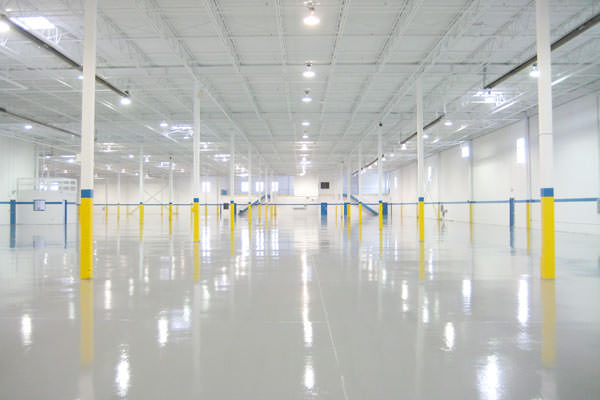
Contemporary epoxy technology has evolved significantly from early formulations. Today’s systems offer remarkable versatility for diverse industrial applications. Self-leveling epoxies create mirror-smooth surfaces ideal for clean rooms or pharmaceutical facilities. Metallic epoxies deliver aesthetic appeal for customer-facing warehouse showrooms.
Modern Epoxy System Advantages:
- Installations proceed during regular operating hours without hazardous fumes
- Workers remain productive nearby without respiratory concerns
- Operational flexibility reduces project costs by eliminating expensive shutdowns
- Faster cure times minimize disruption to manufacturing schedules
- Enhanced chemical resistance protects against aggressive industrial substances
Also Read :
What Makes Epoxy Floor Coatings Better Than Standard Epoxy Paints For Concrete Floors
Are There Limitations to Consider?
Industrial epoxy coatings excel in most scenarios but aren’t universal solutions. Extremely aggressive chemical environments may require specialized resin systems. Outdoor applications need UV-stable topcoats to prevent chalking and color degradation.
Coating thickness affects both performance and cost considerations. Standard applications suit moderate traffic conditions. Heavy manufacturing environments benefit from thicker systems incorporating aggregate reinforcement. Balancing performance requirements against budget constraints requires experienced technical guidance.
Installation timing impacts facility operations significantly. Coating systems require adequate cure times before returning equipment to service. Rush installations compromise chemical cross-linking, reducing ultimate performance. Planning application windows around production schedules minimizes disruption while ensuring proper curing.
Protect Your Investment with Expert Application
Industrial epoxy coatings represent significant capital investments in facility infrastructure. Their performance in high-traffic environments depends entirely on proper product selection, meticulous surface preparation, and skilled application techniques. Choosing qualified professionals ensures your flooring delivers the durability and resilience your operations demand.
Induspray is Canada’s premier industrial painting contractor, delivering exceptional results for complex commercial and industrial facilities. With decades of specialized expertise, our fully certified, licensed, and insured teams execute large-scale projects with unmatched precision and efficiency. Our comprehensive epoxy floor coating solutions address the unique challenges manufacturing, oil and gas, warehousing, energy sectors, and institutional facilities present daily.
Contact Induspray today to discuss your industrial flooring requirements and receive a detailed estimate tailored to your facility needs. Our certified teams bring decades of specialized expertise in epoxy coating systems, ensuring your floors deliver exceptional performance and long-term value. Experience the difference that professional industrial coating contractors make for your critical operational assets.