Industrial steel structures face relentless exposure to moisture, chemicals, and temperature fluctuations. Without proper surface preparation, even premium coatings fail prematurely. Sandblasting has become the gold standard for preparing steel surfaces before applying protective coatings. This mechanical process removes contaminants and creates the ideal profile for coating adhesion.
Steel structures in manufacturing plants, refineries, and warehouses require exceptional surface preparation. The success of any protective coating system depends heavily on how well the substrate is prepared. Professional sandblasting services deliver the foundation needed for coatings that last for decades rather than years.
What Makes Sandblasting Essential for Steel Surface Preparation?
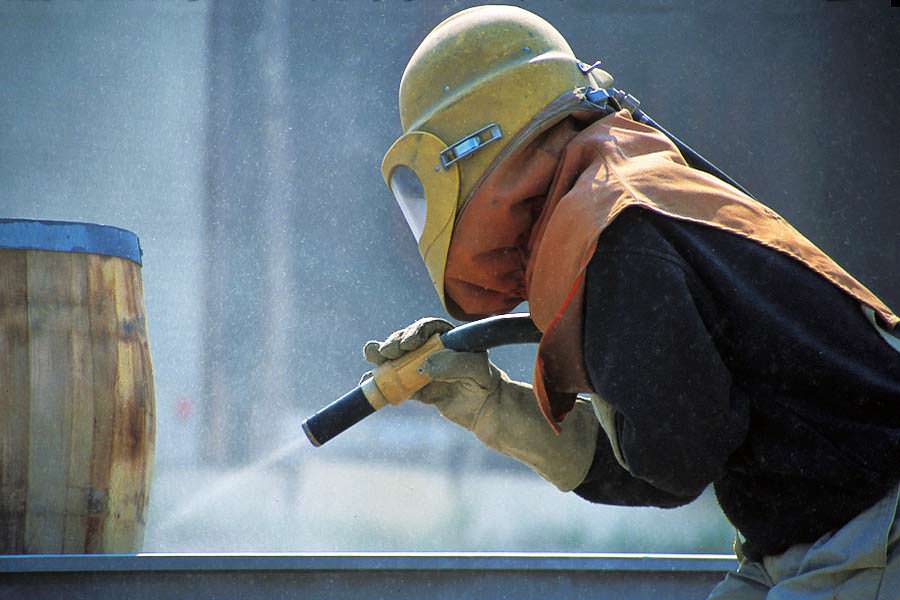
Sandblasting, technically known as abrasive blasting, propels fine particles at high velocity against steel surfaces. This process eliminates rust, mill scale, old paint, and contaminants that prevent proper coating adhesion. The technique creates a textured profile that allows coatings to mechanically bond with the steel substrate.
Mill scale presents a particular challenge for steel protection. This flaky surface layer forms during steel manufacturing and looks deceptively protective. However, the mill scale actually traps moisture beneath its surface, accelerating corrosion. Industrial sandblasting companies must completely remove this layer to ensure coating performance.
Key Contaminants Removed During Sandblasting:
- Rust and oxidation that compromise steel integrity
- Mill scale formed during manufacturing processes
- Old paint layers and failed coating systems
- Oil, grease, and chemical residues from operations
- Welding slag and fabrication debris
- Salt deposits in marine or coastal environments
The abrasive media used varies based on the project requirements. Steel grit, aluminum oxide, and garnet sand each produce different surface profiles. Contractors select media based on the steel type, existing contamination level, and the coating system specifications. This customization ensures optimal preparation for each unique application.
People Also Ask
What is the difference between sandblasting and abrasive blasting?
Sandblasting and abrasive blasting are the same process. “Abrasive blasting” is more accurate since contractors use various media beyond sand, including steel grit and aluminum oxide.
How long does sandblasted steel last before needing recoating?
Properly sandblasted steel with quality coatings lasts 15-25 years or longer, depending on environmental exposure. The mechanical bond created performs 3-5 times longer than inadequately prepared surfaces.
Why Does Surface Profile Depth Matter for Coating Performance?
Surface profile refers to the peak-to-valley measurement of the steel texture after blasting. This roughness determines how well coatings grip the substrate. Too smooth, and coatings lack mechanical bonding. Too rough, and coating thickness becomes inconsistent, leaving peaks exposed to corrosion.
Industry standards typically require profiles between 0.5 and 5 mils deep. Heavy-duty epoxy systems need deeper profiles for proper anchoring. Thinner coatings perform better on finer profiles. Professional sandblasting companies in Toronto measure profile depth using specialized gauges to match coating manufacturer specifications.
The profile also affects coating coverage rates. Deeper profiles require more coating material to fill valleys and build proper film thickness. Accurate profile measurement during the estimation phase prevents material shortages and ensures budget accuracy for large industrial projects.
How Do SSPC Standards Ensure Quality Blasting Results?
The Society for Protective Coatings (SSPC) establishes standards that define cleanliness levels after blasting. SSPC-SP5 White Metal Blast Cleaning represents the highest standard, removing all visible rust, mill scale, and contamination. This level suits aggressive environments like chemical plants and offshore structures.
SSPC-SP7 Brush-Off Blast Cleaning offers a more economical approach for less demanding applications. This standard removes loose mill scale and rust while leaving tightly adhered contamination. It works well for maintenance coating projects where complete removal isn’t cost-effective.
Materials Commonly Blasted in Industrial Settings:
- Structural steel including I-beams and trusses
- Fabricated steel structures and equipment
- Pressure vessels and bulk storage tanks
- Silos and containment systems
- Various metals such as iron, copper, brass, and aluminum
- Bridge components and infrastructure elements
Sandblasting service providers in Toronto follow established standards to ensure consistency and quality. Achieving specified cleanliness levels requires proper equipment, trained operators, and strict quality control procedures. Documenting achieved standards helps protect both contractors and facility owners in warranty-related situations.
What Environmental and Safety Considerations Apply to Industrial Blasting?
Industrial sandblasting generates significant dust and debris that requires careful management. Dust suppression systems capture airborne particles before they spread throughout facilities or into surrounding areas. This protection maintains air quality for workers and prevents contamination of nearby equipment and products.
Confined space blasting presents additional challenges. Tanks, vessels, and pipe interiors require specialized ventilation to maintain breathable air for operators. Certified crews trained in confined space entry protocols ensure worker safety while maintaining productivity in these demanding environments.
Modern sandblasting operations prioritize environmental responsibility. Media reclamation systems collect and recycle abrasive materials, reducing waste disposal costs and environmental impact. Proper containment prevents contaminated media from entering storm drains or soil, meeting increasingly strict environmental regulations.
When Should Facilities Schedule Steel Surface Preparation?
Timing sandblasting projects requires careful coordination with facility operations. Many industrial sites cannot completely shut down for maintenance. Mobile blasting equipment allows contractors to work on isolated sections while production continues in other areas.
Weather conditions significantly impact outdoor blasting projects. High humidity prevents proper coating adhesion even after perfect surface preparation. Professional contractors monitor temperature and dew point to ensure conditions meet coating manufacturer requirements. This attention prevents costly coating failures months after project completion.
Planned maintenance shutdowns offer ideal opportunities for comprehensive blasting projects. Coordinating surface preparation during these windows maximizes efficiency and minimizes disruption. Advanced scheduling with experienced sandblasting services ensures crews and equipment arrive ready when facilities become available.
How Does Proper Blasting Extend Coating Lifespan?
Research consistently shows that surface preparation quality directly correlates with coating longevity. Properly blasted steel accepts coatings that perform 3-5 times longer than coatings applied to inadequately prepared surfaces. This extended lifespan dramatically reduces lifecycle costs for industrial facilities.
The mechanical bond created by blasting proves far superior to chemical adhesion alone. Coating molecules anchor into the surface profile, resisting peeling and delamination under thermal cycling and mechanical stress. This robust connection maintains protection even when minor coating damage occurs.
Preventing premature coating failure saves facilities from expensive emergency repairs and production interruptions. The investment in professional sandblasting services Toronto pays dividends through decades of reliable steel protection. Facilities that prioritize proper preparation enjoy lower maintenance costs and extended asset lifecycles.
Partner With Toronto’s Surface Preparation Experts
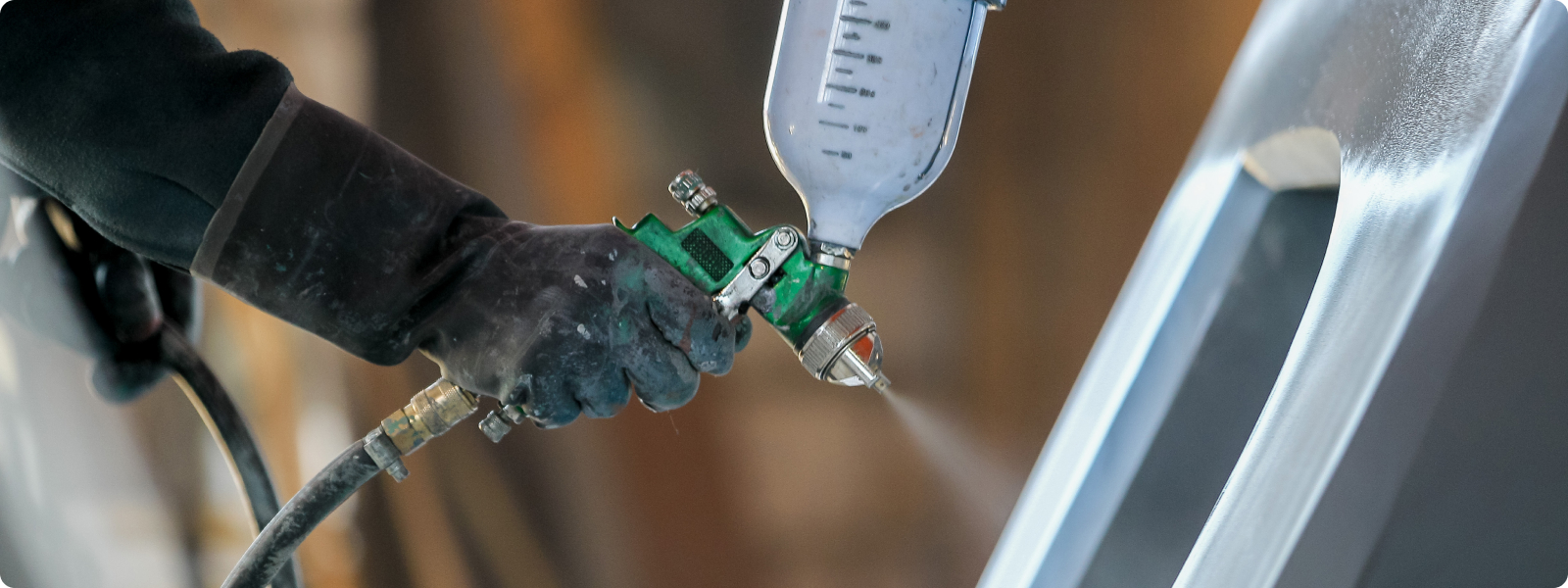
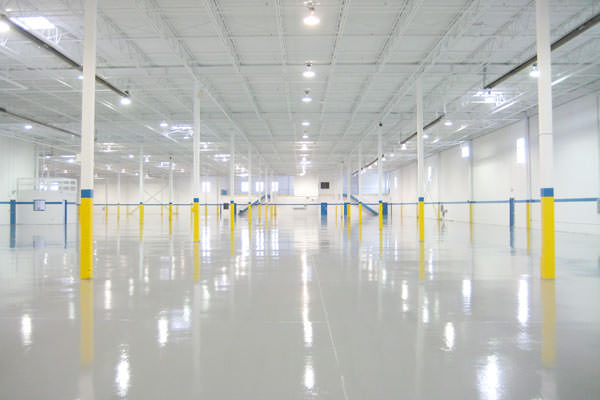
Induspray is Canada’s premier industrial painting contractor, delivering exceptional results for complex commercial and industrial facilities. With decades of specialized expertise, our fully certified, licensed, and insured teams execute large-scale projects with unmatched precision and efficiency. We offer comprehensive solutions, including industrial facility painting, epoxy floor coatings, metal roof and silo painting, equipment refinishing, fireproof coatings, and professional sandblasting in Toronto.
Our extensive cross-industry experience spans manufacturing, oil & gas, warehousing, multi-residential, commercial, institutional, energy sectors and many more. Every project receives our signature attention to detail, beginning with a comprehensive site assessment, followed by customized coating recommendations, meticulous application following industry best practices, thorough quality control, and minimal operational disruption during execution.
Contact Induspray today to discuss your steel surface preparation requirements and receive a detailed estimate tailored to your specific facility needs. Experience the difference that specialized expertise brings to your critical industrial assets.