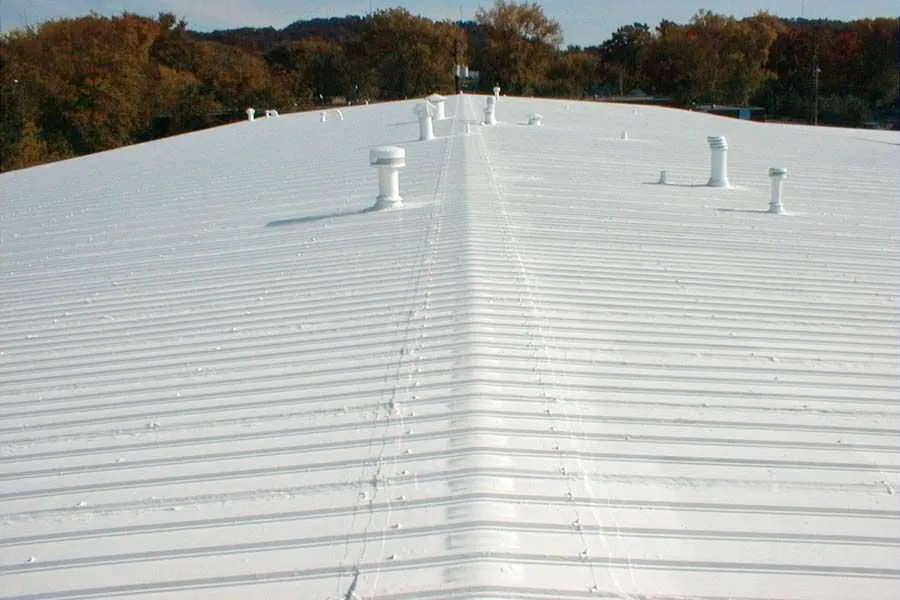
Your roof takes the hardest beating of any part of your building. Rain, UV rays, freezing temperatures, and heat cycles wear it down year after year. For industrial and commercial facilities across Ontario, replacing a deteriorating roof can be a costly and disruptive ordeal. That’s where elastomeric coating comes in — a proven, cost-effective solution that extends roof life and seals out the elements without requiring a full tear-off.
What Is an Elastomeric Coating and How Does It Work?
An elastomeric coating is a flexible, rubber-like protective finish applied directly to roof surfaces and exterior substrates. The term “elastomeric” comes from the material’s ability to stretch and return to its original shape. This elasticity allows it to move with the building as it expands and contracts due to temperature changes.
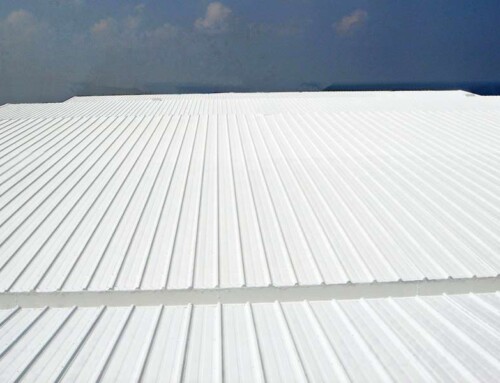
Unlike standard paints, elastomeric coatings form a thick, seamless membrane over the surface. This membrane resists water infiltration, absorbs impact, and withstands extreme weather conditions. When applied correctly, the coating bonds tightly to the substrate — whether metal, concrete, or built-up roofing material — and remains flexible for years.
This makes elastomeric coating especially effective in climates with harsh freeze-thaw cycles, heavy snow loads, and intense summer heat — conditions that are routine across Southern Ontario.
What Types of Elastomeric Coatings Are Available?
Not all elastomeric coatings are the same. The right product depends on your building type, roof slope, and environmental exposure. The most commonly used options include:
- Acrylic Elastomeric Coatings: The most widely used option. These provide excellent UV resistance, high reflectivity, and strong weatherproofing at an affordable price point. Ideal for metal and flat roofs.
- Polyurethane Systems: Offer superior resistance to impact, abrasion, and foot traffic. Best suited for roofs that require extra durability or see regular maintenance access. Usually installed with a high solid epoxy primer these systems are corrosion control systems designed to prolong any corrosion on the steel. They do not offer any waterproofing qualities so the roof needs to be leak free for them to perform correctly
- Cool Roof Coatings: Designed to reflect solar radiation and reduce roof surface temperature. These help lower indoor cooling costs, making them ideal for large industrial buildings with significant sun exposure.
Each coating type is selected based on the specific performance needs of your facility. A professional assessment ensures you get the system that delivers the best return on investment.
How Does an Elastomeric Roof Coating Protect Against Weather Damage?
With a thickness approximately 6 times the thickness of an Epoxy/Polyurethane system, an elastomeric roof coating creates a continuous, waterproof barrier over your existing roof surface. It fills cracks, seals seams, and prevents moisture from penetrating into the substrate below. This protection is critical for metal roofs, where water infiltration can quickly lead to rust, corrosion, and structural damage.
The flexibility of the coating is equally important. As outdoor temperatures fluctuate — especially during Ontario winters — building materials expand and contract. A rigid coating would crack under this stress. Elastomeric coatings move with the substrate, maintaining a tight seal even through repeated thermal cycling.
UV resistance is another key benefit. Prolonged sun exposure degrades traditional roof coatings and accelerates aging. Elastomeric coatings reflect UV radiation, which slows deterioration and keeps the roof cooler during summer months.
Is an Elastomeric Coating a Cost-Effective Alternative to Roof Replacement?
Yes by a wide margin. A full roof replacement involves tearing off existing materials, disposing of waste, and installing entirely new roofing systems. The cost, labor, and downtime involved can be significant for any industrial or commercial operation.
Applying an elastomeric coating extends the service life of your existing roof at a fraction of that cost. For many industrial facilities, a professionally applied coating system can add 10 to 20 years of usable life to an aging roof. This makes it one of the most cost-efficient investments available in building maintenance.
Beyond the upfront savings, reflective coatings also reduce ongoing energy costs. A cooler roof means less heat transfer into your facility, which can meaningfully lower air conditioning expenses during summer months.
What Surfaces Can Benefit from an Elastomeric Coating?
One of the major advantages of elastomeric coatings is their versatility. They adhere well to a wide range of substrates commonly found in industrial and commercial construction.
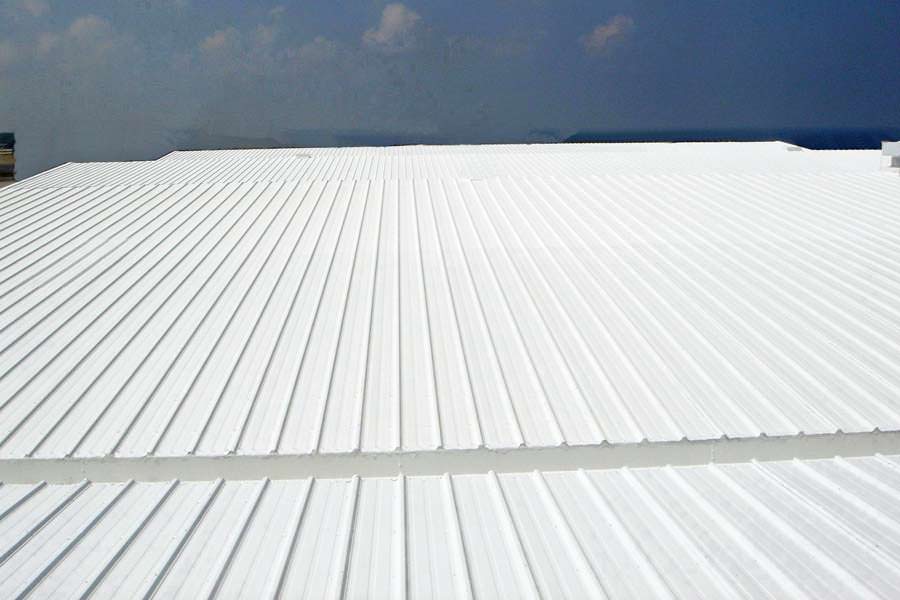
Metal roofs are perhaps the most common application. The coating seals seams, prevents rust, and restores the roof’s appearance. Flat and low-slope roofs also benefit significantly, as the membrane prevents ponding water from seeping through. Even older, built-up roofing systems respond well to elastomeric application, gaining new weatherproofing capability without full removal.
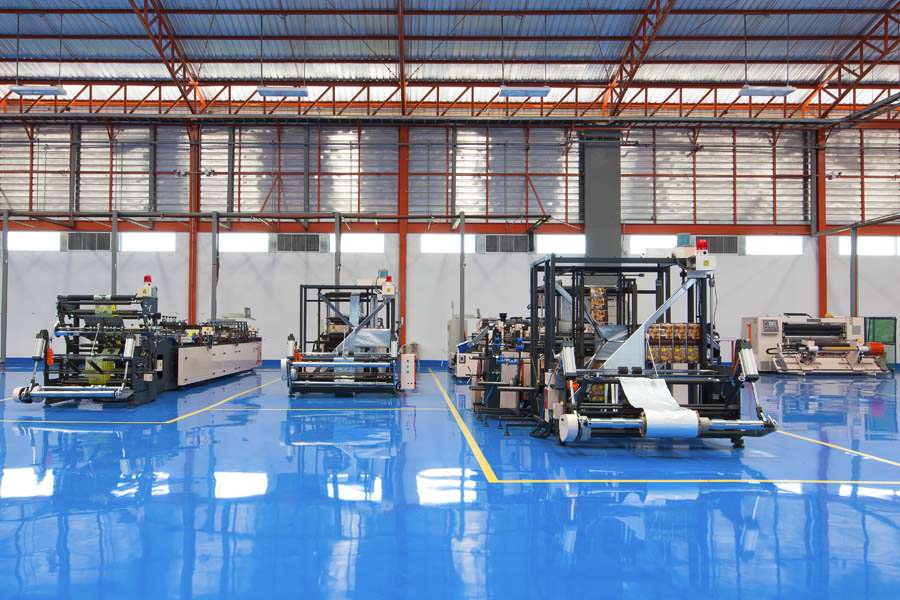
Concrete substrates, exterior walls, and aluminum cladding can also be coated. This flexibility makes elastomeric systems a practical solution for a broad range of building types — from warehouses and manufacturing plants to distribution centers and storage facilities.
What Does Proper Application of an Elastomeric Coating Involve?
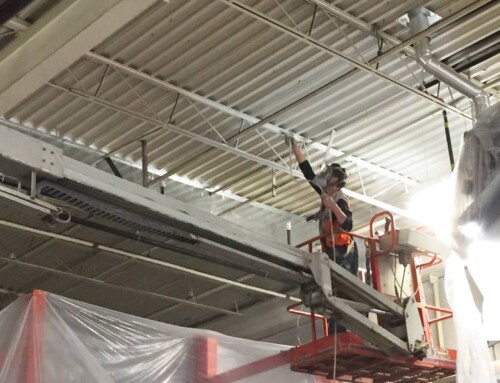
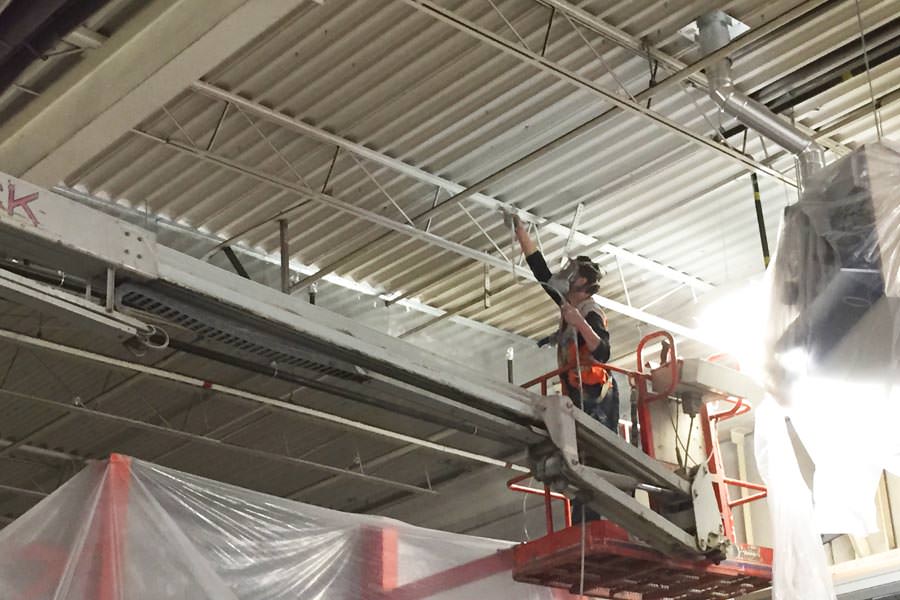
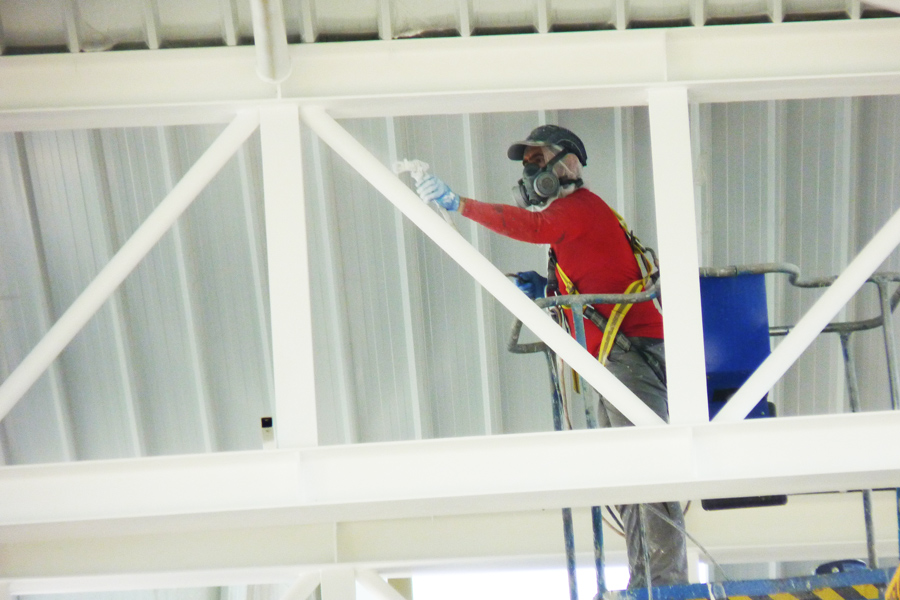
The performance of any coating system depends heavily on proper surface preparation. Before application begins, the existing roof must be thoroughly inspected and cleaned. Dirt, mold, grease, and debris are removed. Damaged areas are repaired. Seams and penetrations are sealed using compatible sealants.
Primer selection also matters. Depending on the substrate and the coating system chosen, a specific primer may be required to ensure proper adhesion. Applying the topcoat too thin or too thick compromises performance. Film thickness must be measured and controlled throughout the project.
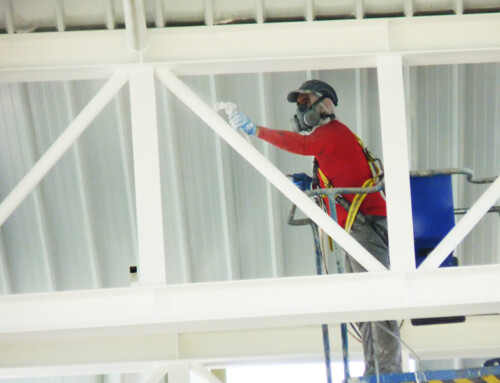
Environmental conditions play a role as well. Temperature, humidity, and wind speed all affect how the coating cures. Professional contractors account for these factors when scheduling and executing the work — helping ensure a long-lasting, uniform finish that performs as intended.
Why Does Surface Preparation Matter So Much for Coating Performance?
Surface preparation is the foundation of any successful coating project. Even the highest-quality coating will fail prematurely if applied over a contaminated or compromised surface. Adhesion failures, peeling, bubbling, and delamination are all symptoms of inadequate preparation.
Proper prep typically includes power washing or pressure cleaning to remove surface contaminants. In some cases, sandblasting or mechanical abrasion may be necessary to create the surface profile needed for strong adhesion. Rust must be treated and neutralized on metal substrates before any coating is applied.
Skipping or rushing through preparation might reduce upfront project time. But it almost always results in higher costs down the road — through premature coating failure and the need for rework. Getting it right the first time is always the better investment.
How Long Can an Elastomeric Coating Last on an Industrial Roof?
When properly applied and maintained, elastomeric coating systems can deliver 10 to 20 years of reliable performance. Some systems backed by manufacturer warranties go even longer when installation is handled by a qualified contractor.
Longevity depends on several factors: the type of coating used, the quality of surface preparation, the skill of the applicator, and the environmental conditions the roof faces. Regular inspections and minor maintenance — such as resealing flashings or touching up worn areas — can further extend the system’s service life.
Compared to a full roof replacement, the cost-per-year of a well-maintained elastomeric system is substantially lower. This makes it an attractive option for facility managers looking to control long-term capital expenditures.
Ready to Protect Your Roof with a Professional Elastomeric Coating?
Industrial and commercial roofs face serious wear over time. An elastomeric roof coating is one of the most reliable and cost-effective ways to extend roof life, prevent leaks, and reduce energy costs — without the expense of full replacement.
Induspray has been protecting industrial and commercial buildings across Toronto and Ontario since 1975. With over 4,875 satisfied clients and decades of hands-on experience, our team brings the expertise and product knowledge needed to deliver lasting results. We offer free on-site inspections and no-obligation quotes — so you can make an informed decision with zero pressure.
Contact Induspray today to schedule your free site inspection and find out how our elastomeric coating services can protect your facility for years to come.