Your facility’s appearance says a lot about your business. Whether you manage a warehouse, factory, retail space, or office building, the condition of your paint matters. It affects employee morale, client perception, and even safety compliance. Choosing between interior and exterior painting or knowing when you need both is a decision that deserves careful thought.
That’s where professional commercial painters come in. They bring the technical expertise, right coatings, and efficient processes to protect and refresh your property from the ground up.
What Is Interior Commercial Painting?
Interior commercial painting covers all painted surfaces inside your facility. This includes walls, ceilings, floors, columns, beams, and machinery. It’s about more than aesthetics. A well-applied interior coating system can improve lighting efficiency, reduce maintenance costs, and meet health and safety standards.
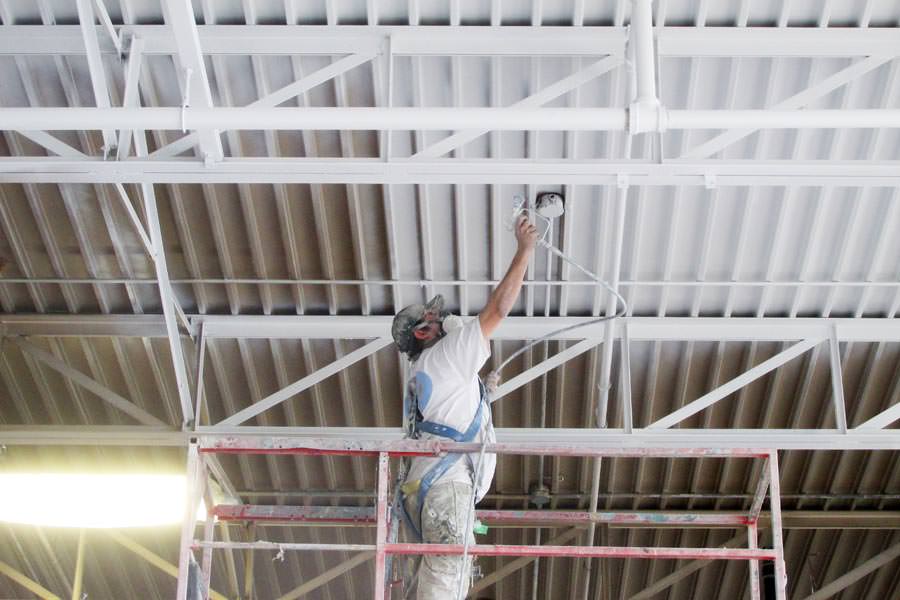
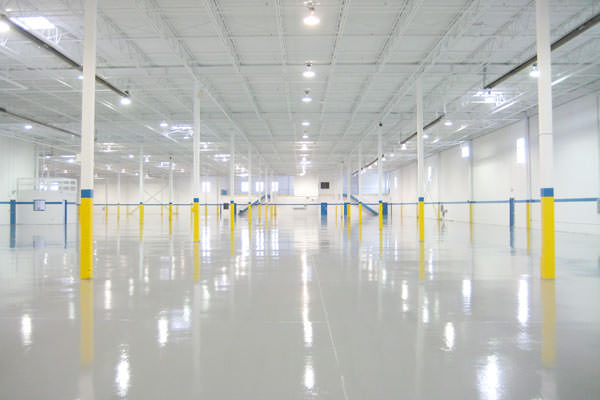
For industrial environments like factories and warehouses, specialty coatings are often required. Epoxy floor coatings resist heavy traffic and chemical spills. Dryfall ceiling paints are engineered to dry before reaching the floor, minimizing disruption. Fire-retardant and intumescent coatings add a critical layer of protection in high-risk environments.
A reputable commercial painting contractor will assess your interior conditions before recommending a coating system. Surface preparation, including power washing, degreasing, and priming, is just as important as the paint itself.
When Should You Prioritize Interior Painting?
Consider scheduling interior painting services when you notice any of the following:
- Peeling, stained, or yellowing walls inside your facility
- Dark or dingy ceilings reducing light levels on the production floor
- Damaged or worn epoxy floors creating safety hazards
- Upcoming lease renewals or pre-tenancy facility refreshes
- Compliance requirements for food processing, pharmaceutical, or regulated environments
What Is Exterior Commercial Painting?
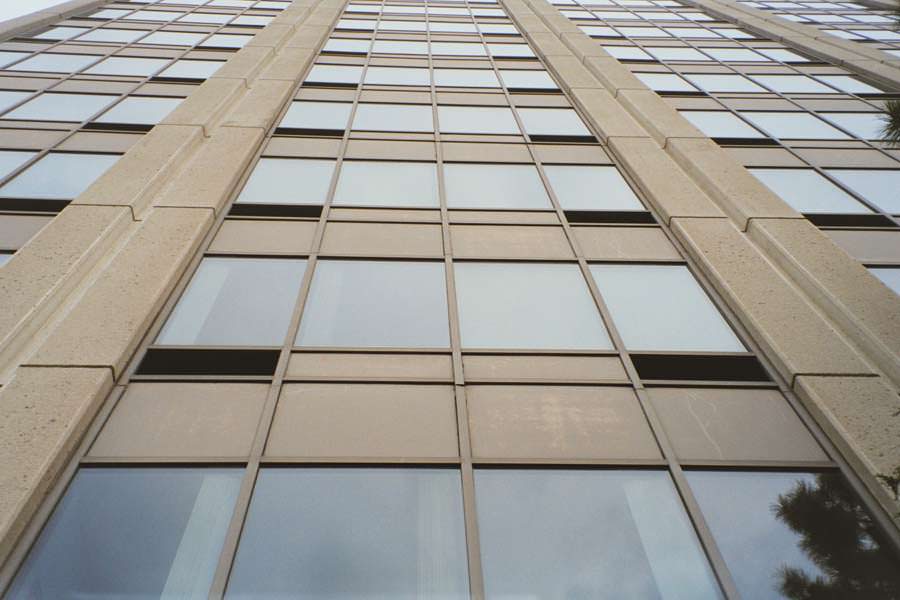
Exterior commercial painting protects your building against weather, UV exposure, moisture intrusion, and corrosion. It covers metal siding, concrete walls, rooftops, doors, window frames, structural steel, and more. In Canada’s climate, exterior coatings take a serious beating through freeze-thaw cycles, ice, and summer heat.
The coatings used on exteriors must be highly durable and weather-resistant. Polyurethane, fluorocarbon, and elastomeric coatings are popular choices for industrial and commercial exteriors. Each offers a different balance of flexibility, UV resistance, and longevity. An experienced commercial painting contractor will recommend the right system based on your building’s materials and exposure conditions.
Exterior painting also plays a key role in curb appeal. For businesses that rely on client visits, a clean and freshly painted building exterior reinforces your professionalism and brand image. First impressions are hard to reverse and peeling paint on the outside of your building tells clients a story you may not want told.
When Should You Prioritize Exterior Painting?
Exterior painting should move up your priority list when you observe:
- Fading, chalking, or peeling paint on metal siding or cladding
- Visible rust or corrosion on steel structural components
- Moisture penetration through exterior walls or roof systems
- A new tenant, business launch, or facility rebrand
- Aging coatings that have exceeded their service life (typically seven to fifteen years depending on the system)
How Do Interior and Exterior Painting Compare?
Both projects share many fundamentals surface preparation, professional application, and quality coatings, but they differ significantly in scope, timing, and materials.
Interior painting is typically performed year-round since the weather is not a factor. Scheduling can be coordinated around shift changes, shutdowns, or low-production periods to minimize operational disruption. Exterior painting, by contrast, is weather-dependent. Temperatures, humidity, and precipitation directly affect coating adhesion and cure times.
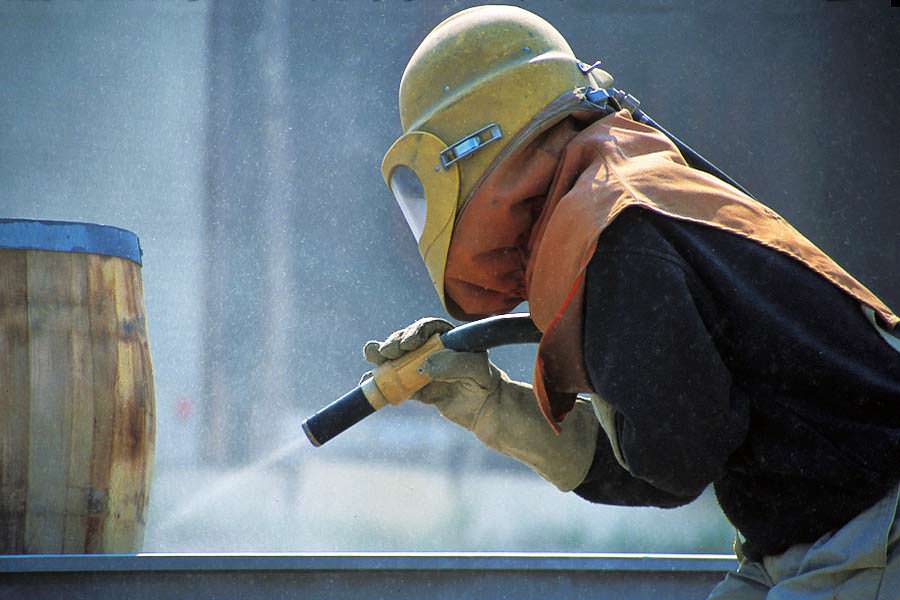
The surface preparation process also differs. Exterior surfaces often require sandblasting to remove corrosion, followed by rust-inhibiting primers before topcoats can be applied. Interior surfaces may require degreasing and specialized primers depending on the substrate, whether drywall, concrete, or metal. In both cases, preparation accounts for the bulk of a painting project’s success and longevity.
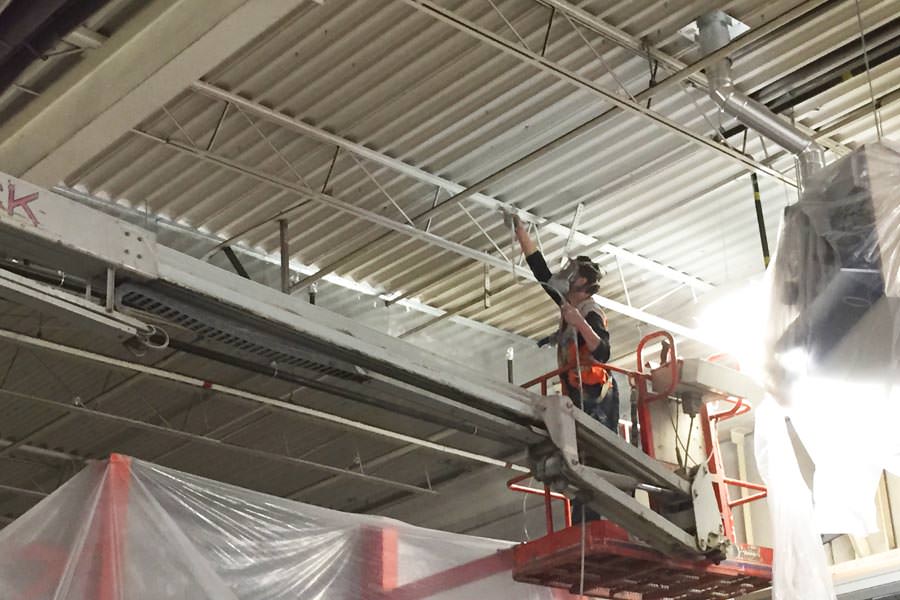
Cost also varies. Exterior projects often involve aerial lifts and more complex access logistics. Interior projects particularly in active facilities, require careful containment to protect equipment and personnel. Both project types benefit from working with commercial painters who have a proven track record managing complex, large-scale industrial environments.
Does Your Business Need Both Interior and Exterior Painting?
In many cases, yes. A thorough facility assessment often reveals that both interior and exterior surfaces need attention; they’ve simply been neglected at different rates. Combining the two into a planned maintenance program is the most cost-effective approach for most building owners and facility managers.
Experienced commercial painting services providers can coordinate interior and exterior projects with minimal overlap and disruption. They bring unified project management, volume pricing on materials, and the ability to assess your full facility in a single site visit.
Rather than reacting to problems like water intrusion or a safety audit a proactive painting schedule protects your investment and keeps your facility looking and performing at its best year after year.
What Makes a Reliable Commercial Painting Contractor?
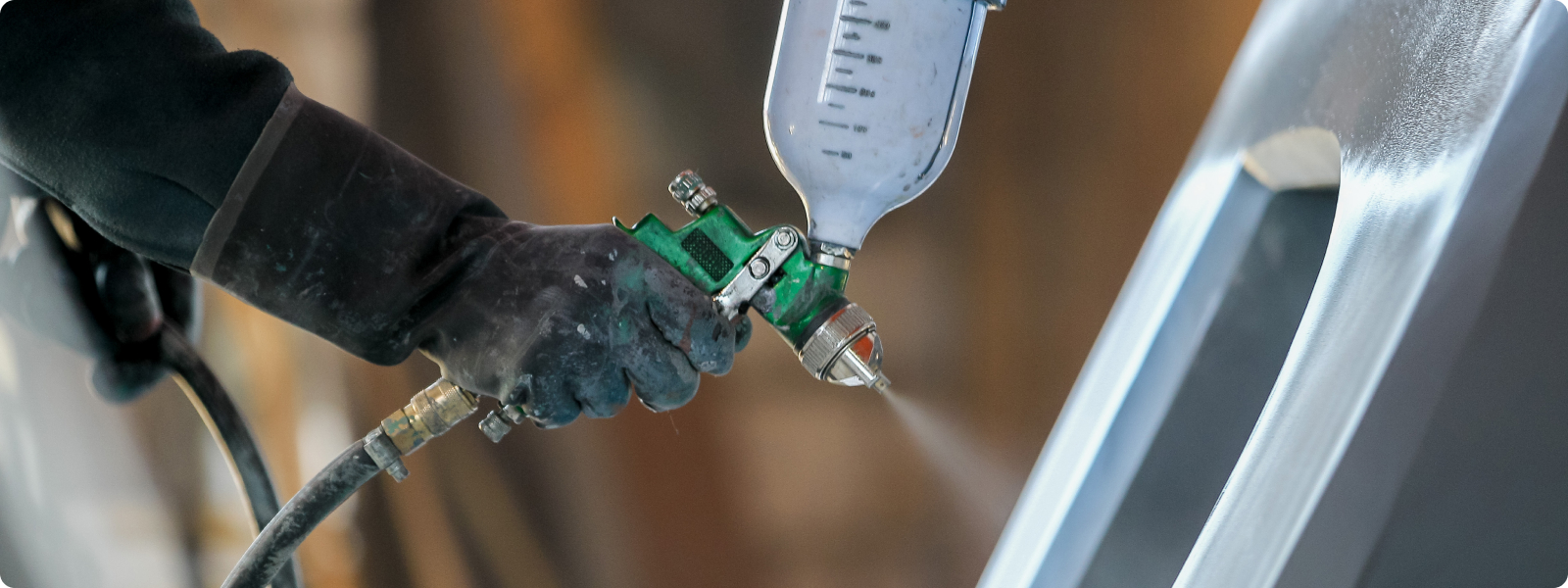
Not all painting companies are equipped to handle large industrial or commercial projects. The right contractor brings more than just a brush and a bucket. They arrive with a team of experienced tradespeople, professional-grade spray equipment, aerial lift platforms, and in-depth knowledge of coating systems.
Look for contractors who are fully insured and bonded, offer detailed written estimates, provide references from comparable projects, and use high-performance coatings from reputable manufacturers. Transparency in pricing, scheduling, and surface preparation recommendations are strong signal of a contractor you can trust.
Experience matters enormously in commercial environments. Active factories, food processing plants, and logistics facilities present unique challenges, tight timelines, air quality concerns, and zero tolerance for production disruptions. A seasoned commercial painting contractor knows how to plan and execute in these conditions without cutting corners.
Also Read :
How Does Professional Spray Painting Improve Commercial Spaces?
How Commercial Painting Enhances Curb Appeal and Leasing Rates in Toronto Office Buildings
Ready to Refresh Your Facility? Induspray Is Here to Help.
Whether your facility needs an interior overhaul, a full exterior restoration, or both Induspray delivers professional commercial painting services at industry-leading prices. Based in Toronto and serving clients across the GTA, Southern Ontario, and the USA, Induspray has completed thousands of interior and exterior projects for factories, warehouses, manufacturing plants, and commercial buildings with a track record stretching back nearly five decades.
Our team of skilled commercial painters handles every aspect of your project from thorough surface preparation to final coating application with minimal disruption to your operations. We offer free, no-obligation price estimates and expert advice tailored to your facility’s specific needs.
Contact Induspray today to schedule your free site inspection and discover why thousands of clients across North America trust us with their facilities.