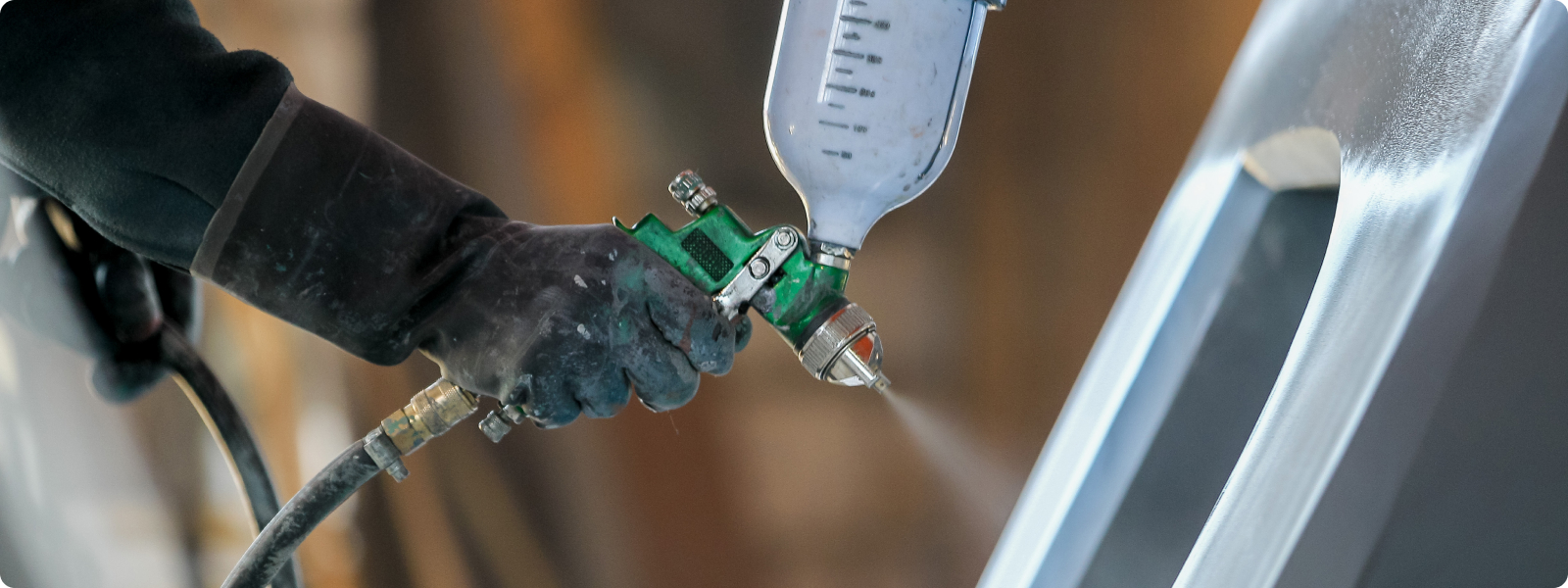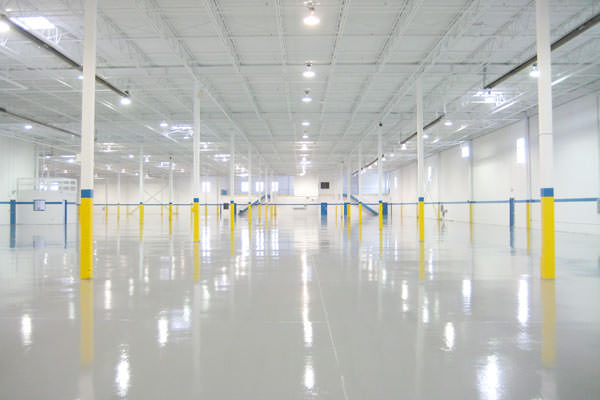
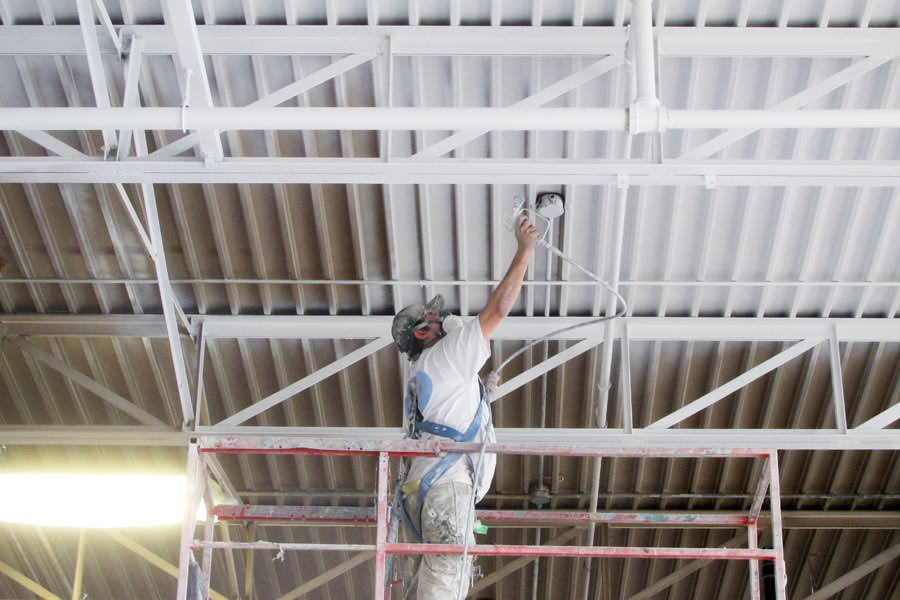
Industrial painting goes far beyond applying a fresh coat of color to walls. It represents a specialized field requiring technical expertise, advanced equipment, and high-performance coating systems. This comprehensive guide explores everything you need to know about industrial painting and why choosing the right contractor matters for your facility’s long-term performance.
What Makes Industrial Painting Different from Regular Painting?
Industrial painting requires a specialized approach because it involves complex surfaces such as metal structures, concrete floors, chemical storage tanks, and manufacturing equipment. These environments present demanding conditions, including extreme temperatures, chemical exposure, moisture, and continuous heavy wear, making precision-driven coating systems essential for long-term performance.
Industrial painting contractors must understand substrate preparation, coating compatibility, and application methods specific to industrial settings. They work with epoxies, polyurethanes, zinc-rich primers, and fire-retardant coatings—materials rarely used in conventional painting. Safety protocols also differ substantially, requiring confined space entry training, respiratory protection, and hazmat certifications.
The stakes are higher too. A failed coating system in a manufacturing facility can halt production, damage equipment, or create safety hazards. Professional industrial painters deliver solutions engineered for durability, chemical resistance, and compliance with industry regulations.
What Types of Facilities Require Industrial Painting Services?
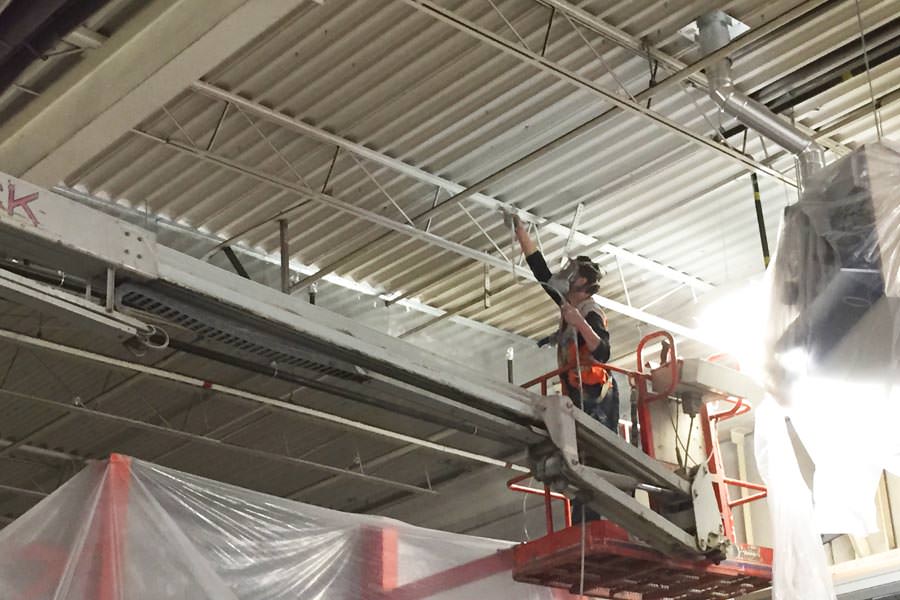
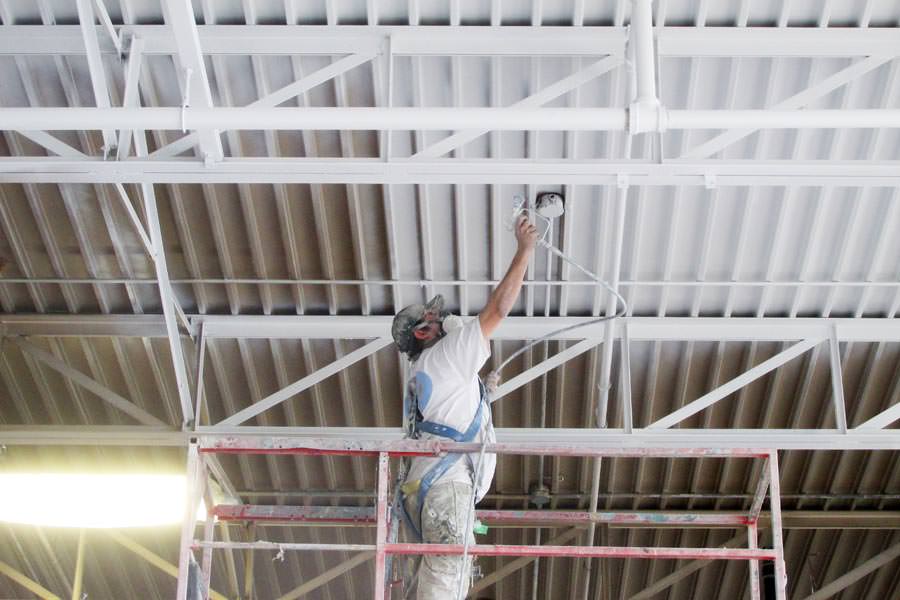
Industrial painting specialists in Toronto serve diverse facilities across multiple sectors. Manufacturing plants represent the largest segment, requiring regular maintenance of production floors, machinery, and structural components. Warehouses and distribution centers rely on durable coating systems for concrete floors, metal racking structures, and expansive ceiling areas.
Chemical processing plants demand specialized coatings resistant to corrosive substances. Food processing facilities require FDA-compliant, antimicrobial coating systems. Oil and gas operations need corrosion protection for tanks, pipelines, and offshore platforms. Water treatment plants, power generation facilities, and pharmaceutical manufacturing sites all rely on industrial painting to maintain operational integrity.
Multi-residential buildings benefit from industrial painting techniques for parkades, mechanical rooms, and exterior metal cladding. Even institutional facilities like hospitals and schools use industrial coatings in high-traffic areas requiring exceptional durability.
Why Is Proper Surface Preparation Critical in Industrial Painting?
Surface preparation determines coating system performance more than any other factor. Painting contractors in Toronto know that inadequate prep work leads to premature coating failure, regardless of material quality. The process begins with a thorough surface assessment identifying contamination, existing coating condition, and substrate integrity.
Preparation methods vary by surface type and condition:
- Abrasive blasting removes rust, mill scale, and old coatings from metal surfaces
- Power washing eliminates dirt, grease, and water-soluble contaminants
- Chemical cleaning addresses oil residues and specific contaminants
- Concrete grinding profiles floors for optimal epoxy adhesion
Professional contractors invest in specialized equipment including blast pots, ultra-high-pressure washers, industrial vacuums, and environmental containment systems. They understand profile requirements for different coating systems and verify surface cleanliness before application.
What Coating Systems Are Used in Industrial Applications?
Industrial coating systems are engineered solutions combining multiple products for specific performance requirements. Epoxy coatings dominate industrial flooring applications due to exceptional chemical resistance and durability. These two-part systems create molecular bonds forming incredibly tough, impermeable surfaces.
Polyurethane topcoats provide UV resistance and aesthetic appeal over epoxy primers. Zinc-rich primers deliver galvanic protection for steel structures in corrosive environments. Painting companies in Toronto maintain relationships with major coating manufacturers, accessing technical support and product training. They select systems based on exposure conditions, required lifespan, maintenance considerations, and budget constraints.
How Do You Select the Right Industrial Painting Contractor?
Selecting qualified contractors protects your investment and ensures regulatory compliance. Verify licensing, insurance, and safety certifications before considering bids. Request references from similar facilities, checking both quality and project management capabilities.
Evaluate technical expertise through discussions about coating systems, surface preparation methods, and application procedures. Qualified contractors explain their approach, addressing your facility’s specific challenges. They provide detailed proposals specifying products, procedures, and performance expectations rather than vague descriptions.
Also Read :
How Does Painting Improve Industrial Aesthetics?
Protect Your Industrial Assets with Expert Coating Solutions
Induspray Inc. is Canada’s premier industrial painting contractor, delivering exceptional results for complex commercial and industrial facilities. With decades of specialized expertise, our fully certified, licensed, and insured teams execute large-scale projects with unmatched precision and efficiency. We offer comprehensive solutions including industrial facility painting, epoxy floor coatings, metal roof and silo painting, equipment refinishing, fireproof coatings, and professional sandblasting.
Contact Induspray Inc. today to discuss your industrial painting requirements and receive a detailed estimate tailored to your specific facility needs. Experience the difference that specialized expertise brings to your critical industrial assets.