Industrial painting is more than a coat of paint. It is a critical investment in the longevity, safety, and appearance of your facility. Whether you manage a factory, warehouse, or manufacturing plant, professional industrial painting protects your assets and keeps your operations running smoothly.
What Is Industrial Painting?
Industrial painting refers to the professional application of high-performance coatings on large-scale commercial and industrial structures. This includes factories, warehouses, manufacturing plants, silos, storage tanks, and other heavy-use facilities.
Unlike standard residential painting, industrial painting uses specialized equipment, materials, and techniques. The goal is not just aesthetics — it is durability, protection, and compliance with industry standards. Coatings must withstand harsh environments, heavy machinery, chemical exposure, and extreme temperature changes.
This is precisely why facility owners trust experienced industrial painting contractors in Toronto rather than general painters. The stakes are simply too high for anything less than a professional approach.
People Also Ask
What Is Industrial Painting?
Industrial painting protects factories, warehouses, and heavy-use facilities from corrosion, chemicals, and structural damage. It improves durability, safety compliance, and long-term asset performance.
How Long Does Industrial Painting Last?
When proper surface preparation and high-performance coatings are used, industrial painting can last 10–20 years or more, depending on environmental exposure and traffic conditions.
Why Does Industrial Painting Matter for Your Facility?
A well-maintained facility says a lot about how you run your business. Beyond appearances, industrial painting plays a direct role in structural health. Metal surfaces that are left unprotected corrode quickly. Concrete floors without epoxy coatings crack and degrade under heavy forklift traffic. Ceilings that are faded and dirty reduce light reflectivity, which increases your energy costs.
Proper coating systems create a barrier against rust, moisture, chemicals, and UV damage. They extend the life of your building envelope. They also help you stay compliant with workplace safety regulations, which often require clearly marked floors, well-lit spaces, and surfaces free of peeling or hazardous coatings.
When you invest in professional industrial painting, you are protecting your facility for years — sometimes decades — to come.
What Surfaces and Areas Can Industrial Painting Cover?
One of the most common misconceptions is that industrial painting only applies to walls. In reality, painting contractors in Toronto who specialize in industrial work cover a much broader scope. Experienced crews handle everything from the top of your facility to the floor beneath it.
Here is a look at the key surfaces that industrial painters typically work with:
- Metal deck ceilings and exposed structural beams
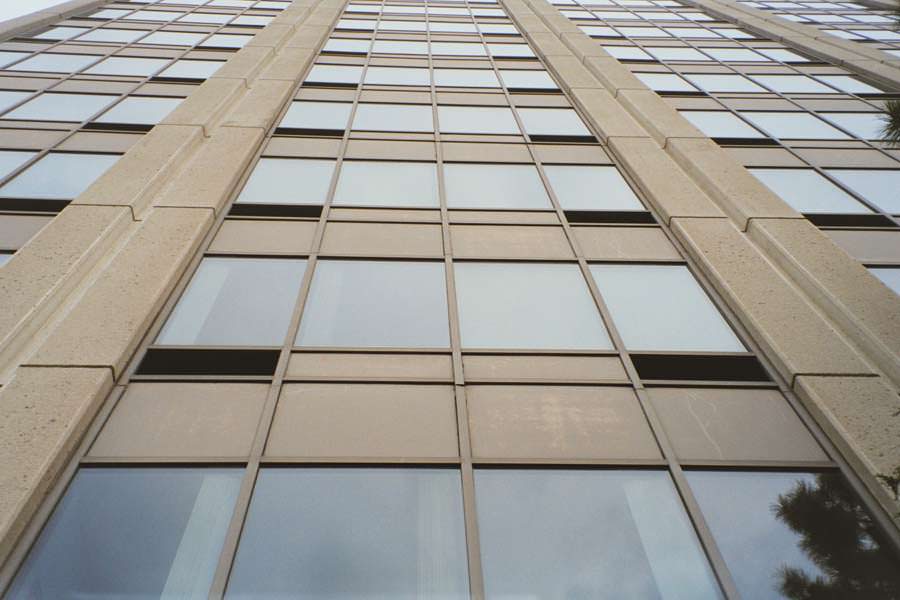
- Interior and exterior walls, including corrugated steel and metal cladding
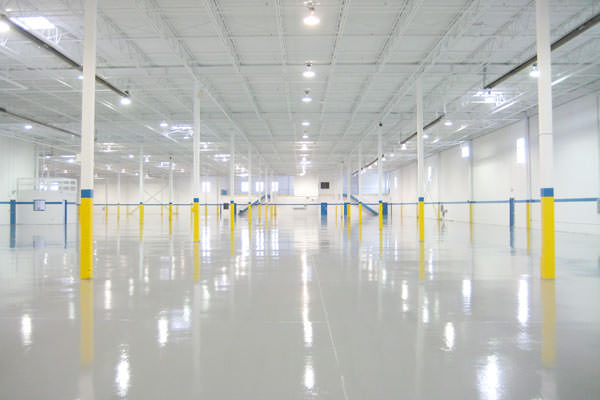
- Concrete and epoxy floor coatings, including warehouse floor line marking
- Industrial roofs — metal, flat, corrugated, and galvanized systems
- Storage tanks, silos, and large equipment
- Machinery, stamping presses, and production equipment
- Parking garages, underground structures, and common areas
This wide scope means that a single industrial painting project can transform the entire look and function of your facility — both inside and out.
What Types of Coatings Are Used in Industrial Painting?
Selecting the right coating system is as important as the application itself. The wrong product can fail prematurely, leaving your facility exposed to damage. The right product, applied correctly, can last for many years with minimal maintenance.
Industrial-grade coatings are far more advanced than standard paint. Common systems include epoxy coatings for floors and high-traffic surfaces, polyurethane and fluorocarbon finishes for exterior metal and roofing, urethane and enamel coatings for walls and structural steel, dryfall paint for ceilings where overspray must be controlled, fire retardant and intumescent coatings for safety compliance, and latex and oil-based systems for general-purpose interior and exterior applications.
Reputable industrial painting contractors evaluate each surface carefully before recommending a coating system. Factors like chemical exposure, humidity levels, traffic intensity, and desired lifespan all influence the right choice.
How Does the Industrial Painting Process Work?
A professional industrial painting project does not start with a brush. It starts with a thorough inspection and a plan. Every step in the process matters, and skipping any one of them can compromise the entire project.
Step 1: Site Assessment
Before any work begins, the painting contractor inspects the facility in detail. They assess the condition of existing surfaces, identify areas of rust, peeling, or contamination, and determine the most appropriate coating system for each area.
Step 2: Surface Preparation
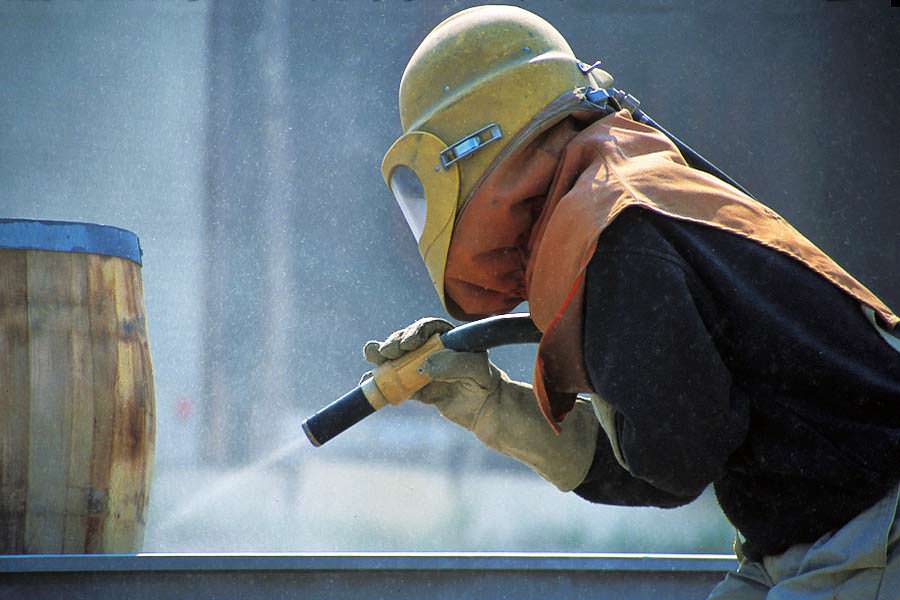
Surface prep is the most critical step in industrial painting. Without it, even the best coatings will fail. Depending on the surface condition, preparation may include pressure washing or hot/cold power washing, sandblasting to remove rust and old coatings, chemical cleaning and degreasing, and primer application to ensure proper adhesion.
Proper prep adds time to a project, but it is what separates a long-lasting finish from one that deteriorates within a year.
Step 3: Coating Application
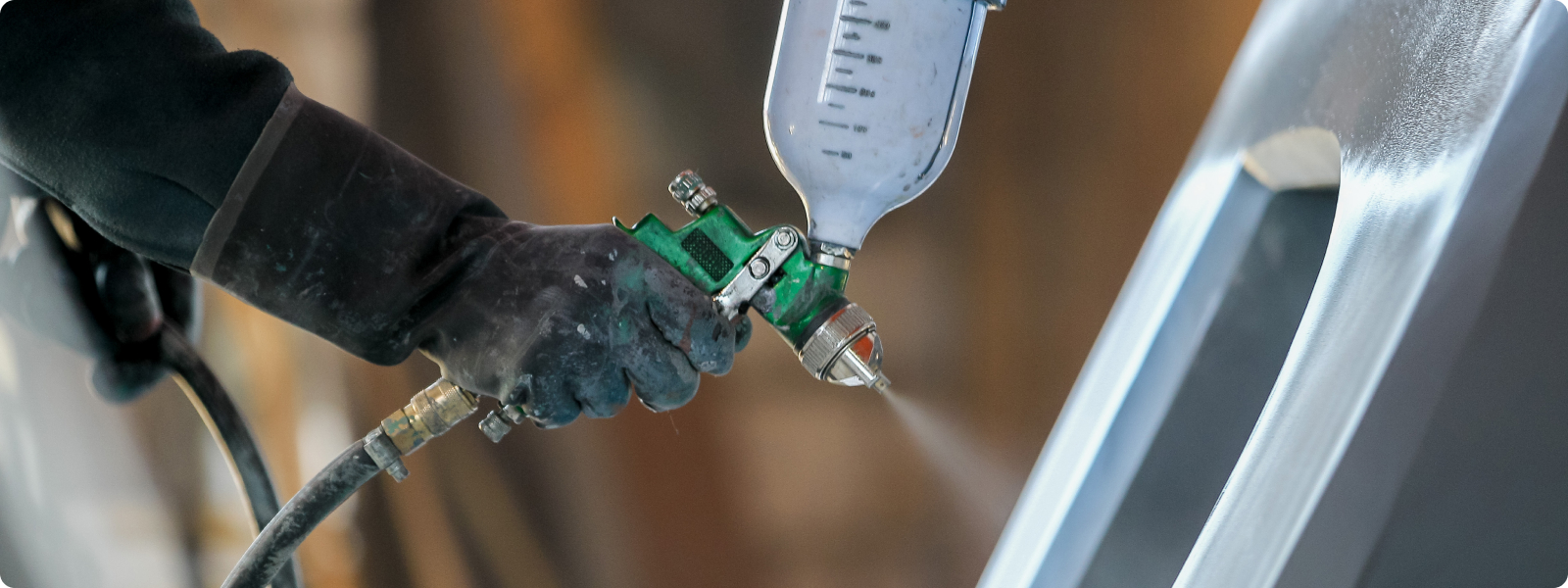
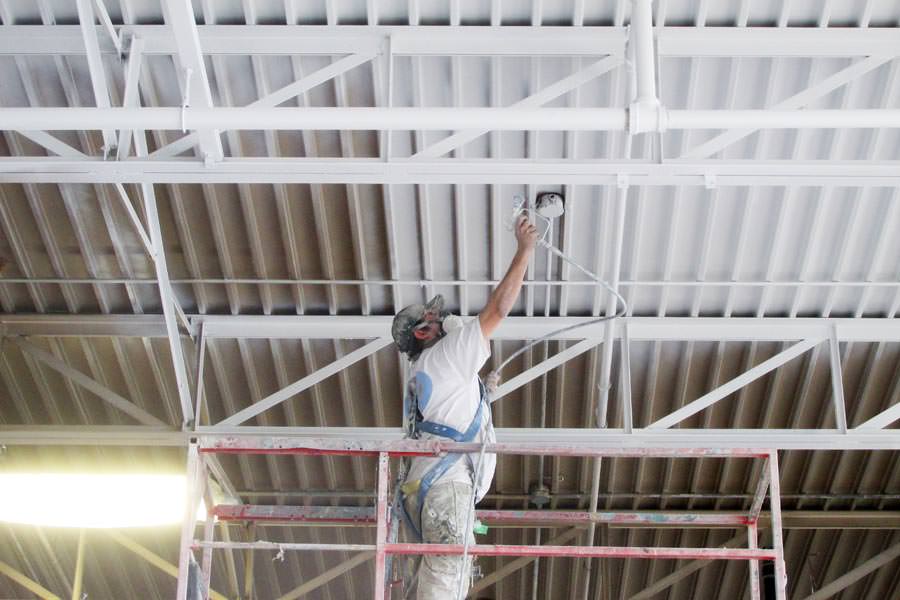
Most industrial painting contractors use airless spray painting for large surface areas. Spray application delivers better coverage, especially on rough or textured surfaces. Brush and roller techniques are used where precision is needed or spray is impractical.
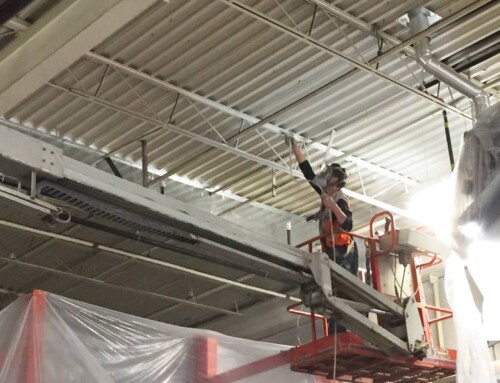
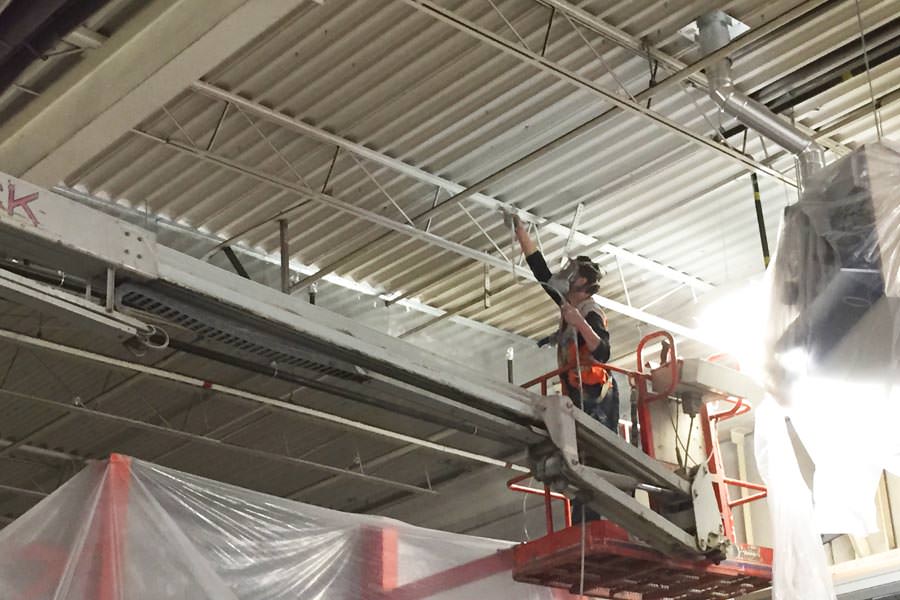
Professional crews use aerial lift platforms and scaffolding to reach high ceilings, overhead pipes, structural steel, and exterior walls at any height — safely and efficiently.
Step 4: Final Inspection and Cleanup
Once the coating is applied, the crew conducts a thorough quality check. Any missed spots or imperfections are addressed. The job site is cleaned up completely, leaving your facility ready for full operation.
What Are the Key Benefits of Professional Industrial Painting?
The benefits of professional industrial painting go far beyond aesthetics. Here is what facility managers and building owners in Toronto and the GTA consistently report after a professional repaint:
- Extended Facility Lifespan
High-performance coatings protect structural steel, metal siding, and concrete from moisture, rust, and chemical damage. A properly applied coating system can add decades to the life of your building’s surfaces.
- Improved Safety and Compliance
Clear floor markings, bright ceilings, and well-maintained surfaces make your facility safer for workers. They also help you meet Ontario workplace safety regulations and pass inspections without issue.
- Better Light and Energy Efficiency
Freshly painted white or light-colored ceilings dramatically improve light reflectivity. Facility managers often report that light levels in production areas seem to nearly double after repainting. This reduces the need for additional lighting and lowers energy costs.
- Enhanced Professional Image
A clean, well-maintained facility sends a strong message to employees, clients, and prospects. It signals that your business is organized, professional, and serious about quality — and it can make a real difference during lease negotiations or property sales.
- Cost-Effective Long-Term Value
Professional industrial painting done right the first time is far more economical than repeated touch-ups or premature repaints. When coatings are properly matched to the surface and environment, they last significantly longer and deliver better overall value.
How Do You Choose the Right Industrial Painting Contractor?
Not every painter is qualified to handle an industrial project. Large-scale facility painting requires specialized knowledge of coating systems, surface prep techniques, application equipment, and safety protocols. Here is what to look for when evaluating painting contractors in Toronto for your project.
Experience in industrial environments is non-negotiable. You want a contractor who has worked in active manufacturing facilities, knows how to minimize operational disruptions, and can execute during scheduled shutdowns. Verify that they are fully bonded and insured, and ask for references from similar projects.
Ask about their equipment. Professional industrial painters use airless spray systems, aerial lift platforms, and a full range of surface prep tools. A contractor without these capabilities cannot properly handle a large facility.
Finally, look for a contractor who provides a detailed written estimate with clear coating specifications. The right contractor will walk you through options, explain trade-offs, and help you make an informed decision.
Ready to Transform Your Facility With Expert Industrial Painting?
Induspray is a trusted name in professional industrial painting, known for delivering high-quality results on projects of every scale. Our deep expertise, rigorous processes, and commitment to client satisfaction have made us a go-to choice for facility owners and managers seeking reliable industrial painting contractors.
From ceiling and wall repaints to epoxy floors, metal roofs, and warehouse line marking, we handle every aspect of your project with precision and professionalism. Our crews are fully trained, our pricing is competitive, and our work is guaranteed.
Contact Induspray today for a free, no-obligation quote. Let our industrial painting experts assess your facility, recommend the right coating system, and deliver results that last. Visit our website or call us to get started.