When protecting industrial and warehouse concrete floors, choosing the right system matters. Many facility managers face confusion between epoxy floor coatings and standard epoxy paints. While both products contain epoxy resins , epoxy floor coatings are designed for only coating floors and their performance differences are significant. Understanding these distinctions helps you make informed decisions that impact durability, cost-effectiveness, and long-term maintenance.
Industrial floors endure constant stress from heavy equipment, chemical spills, and daily operations. The wrong flooring solution leads to premature failure, costly repairs, and operational downtime. This guide explores why professional epoxy floor coatings outperform standard epoxy paints for demanding industrial environments.
How Do Epoxy Floor Coatings Differ From Standard Epoxy Paints?
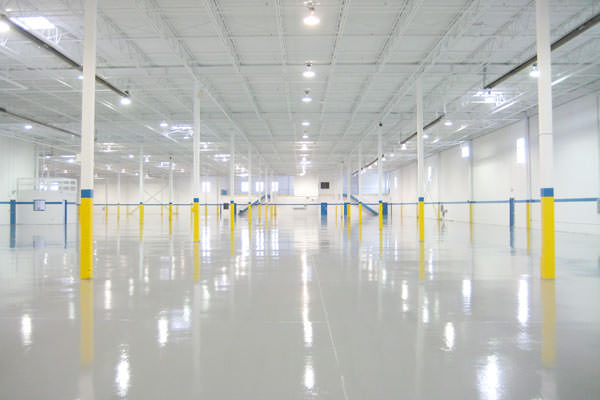
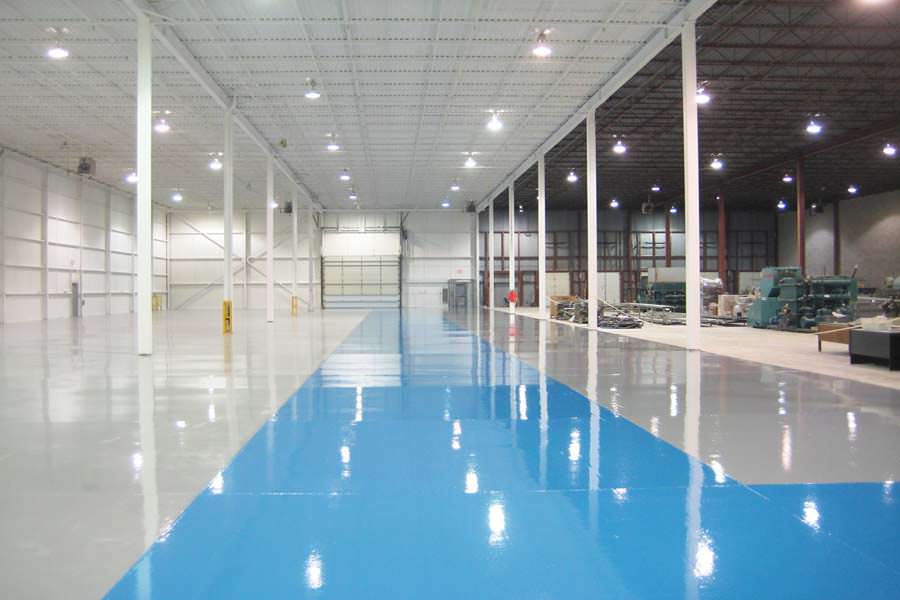
The fundamental difference lies in composition and application thickness. Epoxy floor coatiings are 100% solid products applied at 20 mils (thousandths of an inch) thick or more. They contain no solvents and cure through chemical reactions between resin and hardener components.
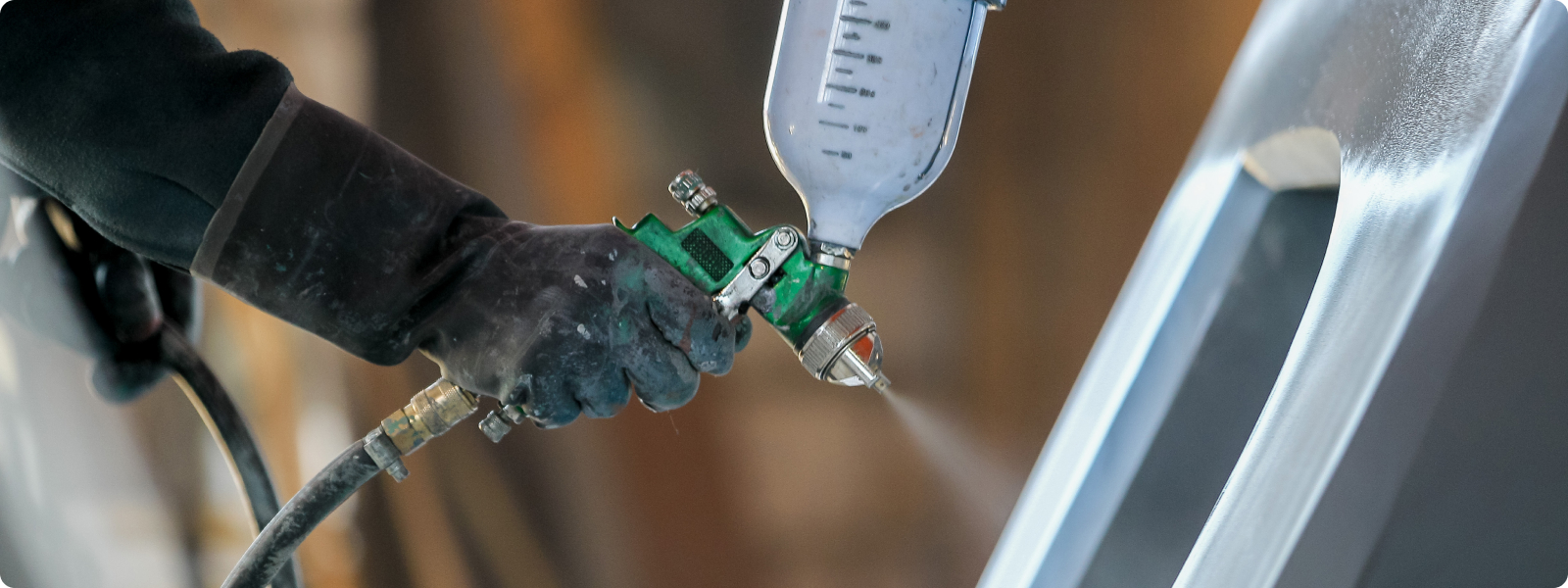
Standard Epoxy paints, conversely, contain significantly less epoxy resin mixed with solvents and fillers. They apply much thinner, typically between 3-5 mils. This thin application provides basic protection but lacks the structural integrity of true coatings. Standard epoxy coatings are designed for painting machinery, walls, safety handrails and other items where non drive on durability is required
Professional epoxy floor contractors understand these material science differences. They specify coatings for high-traffic industrial facilities where durability is non-negotiable. Standard Paints work adequately for light-duty residential applications but fail prematurely in manufacturing drive-on environments.
Why Does Coating Thickness Matter For Floor Performance?
Thickness directly correlates with durability and longevity. The 20-mil application of epoxy coatings creates a substantial protective barrier. This thickness absorbs impacts from dropped materials, resists abrasion from forklift traffic, and withstands thermal shock.
Thin epoxy paint films lack this resilience. They chip, peel, and wear through quickly under industrial conditions. Within months, high-traffic areas show bare concrete patches requiring constant touch-ups. This cycle of repair wastes resources and creates safety hazards.
Coating thickness also affects chemical resistance. Industrial facilities often handle oils, solvents, acids, and cleaning chemicals. Thick epoxy coatings provide superior resistance to chemical penetration. The robust film prevents substances from reaching the concrete substrate, eliminating staining and degradation.
What Surface Preparation Do Professional Systems Require?
Proper surface preparation separates successful installations from failures. Professional epoxy flooring in Toronto projects begin with mechanical preparation methods. Shot blasting or diamond grinding opens concrete pores, removes contaminants, and creates the profile necessary for maximum adhesion.
These aggressive preparation techniques are essential for coating systems. The equipment removes existing sealers, oils, and weak surface layers. This process ensures the coating bonds directly to sound concrete, creating a permanent mechanical interlock.
Key surface preparation steps include:
- Shot blasting to achieve ICRI CSP 2-3 profile
- Crack and joint filling with trowelable epoxy
- Thorough cleaning to remove all dust and debris
- Moisture testing to verify substrate readiness
- Edge grinding in areas inaccessible to large equipment
Epoxy paints require less intensive preparation, often just acid etching. While easier, this minimal preparation compromises long-term adhesion. Coatings demand more upfront investment in preparation, but deliver exponentially better results.
How Long Do Different Systems Last In Industrial Settings?
Longevity represents the most compelling advantage of epoxy coatings. Professional installations typically last 10-20 years in demanding industrial environments. Some facilities report even longer service lives with proper maintenance and operator training.
Standard Epoxy paints rarely survive beyond 2-3 years under similar conditions. The thin film wears through quickly, especially in traffic lanes and work zones. Facilities using paints face constant maintenance cycles, including frequent recoating and repair.
This durability difference impacts the total cost of ownership significantly. While coatings cost more initially, their extended lifespan reduces lifecycle expenses. Fewer recoating projects mean less operational disruption, reduced material costs, and lower labor expenses over time.
Temperature resistance also favors coatings. Industrial facilities experience temperature fluctuations from seasonal changes, production processes, and equipment operations. Quality epoxy coatings withstand thermal shock without cracking or delaminating. Paints become brittle and fail under these stresses.
What Makes Chemical Resistance Critical For Industrial Floors?
Manufacturing and warehouse facilities handle numerous chemicals daily. Hydraulic fluids, cutting oils, battery acids, and cleaning solutions contact floors regularly. Without adequate protection, these substances penetrate concrete, causing permanent damage.
Epoxy coatings provide exceptional chemical resistance through their dense, cross-linked molecular structure. The thick film prevents chemical penetration even during extended exposure. Spills can be cleaned without leaving stains or weakening the floor system.
Standard paints offer limited chemical protection. Their thin application and higher porosity allow chemicals to reach the concrete substrate. This creates two problems: surface staining that mars the appearance and concrete degradation that compromises structural integrity.
Chemical resistance benefits include:
- Protection against acids, alkalis, solvents, and petroleum products
- Easy spill cleanup without staining or damage
- Maintained floor appearance despite harsh exposures
- Extended concrete service life through complete isolation
Professional spray painting contractors, like Induspray, specify appropriate systems based on facility chemical exposures. They analyze specific chemicals, concentrations, and contact durations to recommend optimal coating solutions.
Can Existing Painted Floors Be Upgraded To Epoxy Floor Coating Systems?
Many facilities with failing paint systems wonder about upgrades. The good news: existing floors can absolutely be converted to professional epoxy floor coating systems. This requires complete paint removal and proper surface preparation.
Diamond grinding effectively removes old paint films and prepares surfaces for coating application. The process exposes fresh concrete with a proper surface profile. Cracks, joints, and damaged areas receive repair before coating installation begins.
Upgrading from paint to epoxy floor coatings transforms floor performance. Facilities report dramatic improvements in durability, appearance, and maintenance requirements. The investment pays dividends through extended service life and reduced ongoing costs.
Timing upgrades strategically minimizes operational disruption. Many facilities schedule installations during planned shutdowns, holidays, or slow production periods. Professional contractors work efficiently to complete projects within tight timeframes.
How Does Professional Installation Impact System Performance?
Installation quality determines coating system success or failure. Professional epoxy floor contractors bring specialized equipment, technical knowledge, and proven processes. They control environmental conditions, mixing ratios, and application techniques that impact final results.
Temperature and humidity significantly affect epoxy curing. Professionals monitor conditions continuously and adjust accordingly. They understand how substrate temperature, ambient air, and relative humidity influence chemical reactions and film formation.
Application technique matters equally. Professionals use specialized rollers, squeegees, and edge tools to achieve uniform thickness. They eliminate bubbles, manage flow rates, and create seamless transitions. These skills develop through extensive training and hands-on experience.
Also Read :
Is Epoxy Flooring a Good Choice for Colder Temperatures?
What Are the Most Common Types of Epoxy Flooring Used in Commercial Spaces?
What Maintenance Practices Extend Coating System Life?
Even the most robust epoxy floor coatings benefit from proper maintenance. Simple practices significantly extend service life and maintain appearance. Regular cleaning removes abrasive particles that accelerate wear. Prompt spill cleanup prevents chemical exposure and staining.
Training material handlers make a substantial impact. Teaching forklift operators to lift rather than push pallets reduces coating damage. Explaining proper loading techniques minimizes impacts and scraping. These behavioral changes cost nothing but add years to floor life.
Periodic inspections identify minor issues before they become major problems. Small chips or cracks can be repaired quickly and inexpensively. Ignoring these defects allows moisture intrusion, delamination, and progressive failure, requiring extensive repairs.
Some facilities apply clear urethane topcoats over epoxy systems. These sacrificial layers provide additional abrasion resistance and UV protection. When the topcoat shows wear, reapplication restores protection without disturbing the epoxy base.
Why Choose Professional Contractors For Epoxy Floor Coating Projects?
The complexity of professional epoxy floor coating systems demands specialized expertise. Induspray brings decades of experience installing epoxy flooring in Toronto facilities across diverse industries. Our technical knowledge ensures appropriate system selection for specific operational demands.
We utilize advanced surface preparation equipment including shot blasters and diamond grinders. Our certified application teams follow manufacturer specifications precisely. Every project receives comprehensive quality control throughout the installation process.
Our extensive cross-industry experience spans manufacturing, warehousing, oil and gas, and commercial facilities. This breadth of knowledge helps us understand unique environmental challenges and specify optimal solutions. We source premium industrial-grade coatings through partnerships with leading manufacturers.
From initial site assessment through final inspection, we deliver attention to detail that ensures long-term success. Our process includes customized coating recommendations, meticulous surface preparation, controlled application conditions, and thorough curing verification.
Contact Induspray today to discuss your industrial flooring requirements. Our team provides detailed estimates tailored to your specific facility needs. Experience the difference that specialized expertise brings to critical industrial assets. Let us help you achieve durable, high-performance floors that provide exceptional long-term value through professional spray painting in Toronto services and superior coating systems.