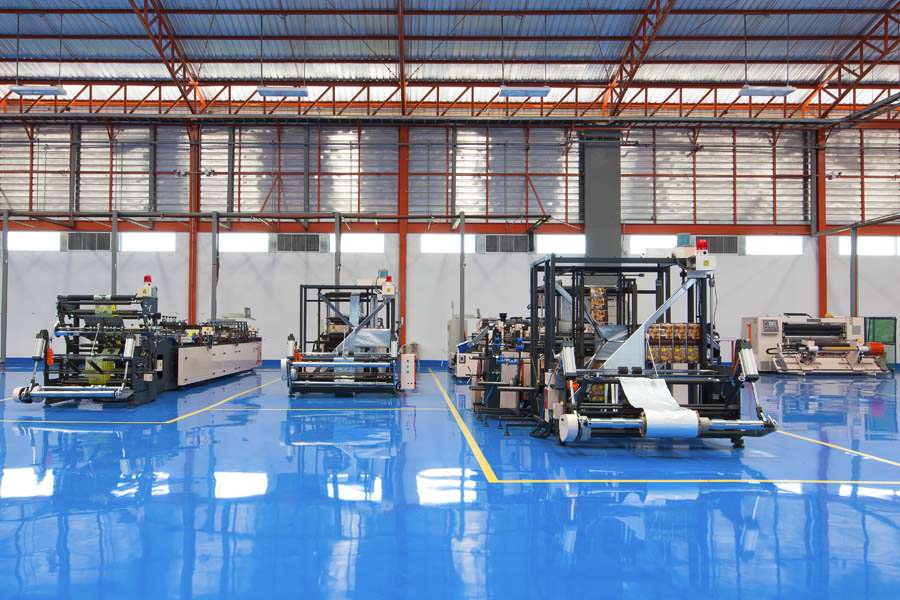
Chemical processing facilities, refineries, and manufacturing plants face unique flooring challenges. Aggressive chemicals, thermal cycling, and heavy equipment create demanding environments. Standard concrete floors deteriorate quickly under these conditions. Epoxy flooring has emerged as the premier solution for facilities handling corrosive substances and harsh chemical exposures.
Industrial operations require flooring systems that withstand daily chemical contact. Spills, splashes, and continuous exposure test every surface. The right floor coating protects infrastructure while maintaining safety standards. Understanding why epoxy excels in chemically intensive environments helps facility managers make informed decisions.
What Makes Chemical Resistance Critical in Industrial Settings?
Chemical exposure creates multiple failure points in traditional flooring. Acids, alkalis, solvents, and petroleum products penetrate untreated concrete. This penetration leads to structural degradation, safety hazards, and expensive repairs.
Concrete is porous by nature. Chemicals seep into microscopic channels, causing internal damage. The chemical reactions break down the calcium compounds that give concrete its strength. Over time, floors develop cracks, pitting, and complete surface failure.
Industrial epoxy flooring contractors understand these challenges. They specify coating systems engineered for specific chemical exposures. Modern epoxy formulations create impermeable barriers that chemicals cannot penetrate. This protection extends floor life significantly while reducing maintenance costs.
Chemical damage appears gradually at first. Small discolorations or surface roughness signal deeper problems. Without protective coatings, facilities face escalating repair costs. Eventually, complete floor replacement becomes necessary, a costly disruption to operations.
Temperature variations compound chemical damage. Many industrial processes involve heated materials or steam cleaning. These temperature changes cause concrete expansion and contraction. Unprotected floors crack under thermal stress, allowing chemical infiltration.
People Also Ask
What makes epoxy flooring ideal for chemical processing facilities?
Epoxy creates an impermeable barrier preventing acids, alkalis, and solvents from penetrating concrete. The seamless coating simplifies cleanup and protects infrastructure long-term.
How long does epoxy flooring last in chemically intensive environments?
Properly installed epoxy floor coatings typically last 10-20 years. High-traffic areas may need topcoat renewal every 3-5 years depending on chemical exposure.
How Do Epoxy Coatings Provide Superior Chemical Protection?
Epoxy coatings create a molecular bond with concrete substrates. This bond forms during the curing process as resin and hardener components chemically react. The resulting surface is dense, non-porous, and highly resistant to chemical attack.
Epoxy floor coatings in Toronto installations typically use 100% solids formulations. These products contain no solvents that evaporate during curing. Every component remains on the floor, creating maximum film thickness and protection. Standard applications provide 18 to 20 mils of protective coating.
The impermeable nature of epoxy coatings prevents chemical penetration. Once fully cured, the coating creates a seamless barrier across the entire floor surface. This prevents acids, alkalis, and solvents from reaching the concrete substrate.
Proper surface preparation maximizes chemical protection. Shot-blasting opens concrete pores and removes contaminants. This preparation allows epoxy to penetrate deeply and create strong mechanical bonds. Diamond grinding provides similar results for certain applications.
Multiple coating layers enhance chemical resistance. Primer coats fill surface voids and provide foundational adhesion. Intermediate coats build thickness and coverage. Topcoats deliver final chemical resistance and aesthetic qualities. This layered approach creates redundant protection.
What Chemical Types Can Epoxy Flooring Withstand?
Epoxy flooring companies in Toronto encounter diverse chemical exposure scenarios. Each facility presents unique challenges requiring customized solutions. Understanding chemical compatibility guides coating selection.
Common Industrial Chemicals That Epoxy Resists:
- Petroleum Products – Oils, greases, fuels, and hydraulic fluids contact floors daily without causing damage
- Acids – Sulfuric, hydrochloric, and phosphoric acids up to specific concentrations with polyamide epoxies
- Alkaline Solutions – Caustic solutions, cleaning agents, and sodium hydroxide at moderate pH levels
- Solvents – Ketones, alcohols, and aromatic hydrocarbons with specialized novolac epoxy formulations
- Food Processing Chemicals – Organic acids, sanitizers, and cleaning chemicals with FDA-compliant systems
Why Does Temperature Stability Matter in Chemical Environments?
Chemical reactions accelerate at elevated temperatures. Many industrial processes involve heat that affects both chemicals and floor coatings. Temperature stability becomes a critical selection factor for epoxy floor contractors.
Standard epoxy coatings perform well up to 140°F in continuous exposure. Brief temperature spikes to 180°F are typically acceptable. Beyond these thresholds, epoxy softens and loses chemical resistance. High-temperature formulations extend these limits significantly.
Thermal shock creates additional challenges. Rapid temperature changes cause expansion and contraction. Standard concrete and epoxy expand at different rates. This differential movement can cause coating delamination without proper system design.
Polyamide epoxies cure through chemical reaction rather than air drying. This curing mechanism allows low-temperature installations. Refrigerated warehouses and cold storage facilities benefit from this capability. Installations can proceed at temperatures as low as 35°F.
Hot chemical spills test coating systems severely. A 200°F caustic solution challenges even specialized coatings. Multiple protective layers provide thermal buffering. The concrete substrate absorbs some heat before it reaches the coating layers.
Steam cleaning operations combine heat and moisture. These conditions require coatings with excellent water resist==ance and thermal stability. Properly specified epoxy systems handle regular steam cleaning without degradation.
How Does Epoxy Flooring Prevent Contamination?
Contamination control drives coating decisions in pharmaceutical and food processing facilities. Smooth, seamless surfaces prevent bacterial growth and simplify sanitization. Industrial epoxy flooring contractors create these critical environments.
Untreated concrete harbors contaminants in surface pores. Bacteria, molds, and chemical residues accumulate in these voids. Traditional cleaning cannot remove embedded contaminants completely. This creates ongoing contamination risks.
Epoxy creates impermeable, easy-to-clean surfaces. The seamless nature eliminates grout lines, cracks, and crevices. Contaminants cannot find hiding places. Standard cleaning protocols effectively sanitize epoxy floors.
Chemical spills present contamination concerns beyond immediate hazards. Absorbed chemicals continue outgassing long after cleanup. This creates air quality issues and cross-contamination risks. Epoxy’s impermeability prevents absorption, enabling complete cleanup.
Expansion joints require special attention in contamination-sensitive areas. Traditional control joints create gaps where contaminants accumulate. Flexible epoxy-based joint fillers seal these gaps while allowing slab movement. This maintains seamless, cleanable surfaces.
Color-coding different operational zones improves contamination control. Raw material areas use one color while finished product areas use another. Visual differentiation reinforces procedural controls. Colored epoxy systems provide this functionality without sacrificing chemical resistance.
What Installation Factors Affect Chemical Resistance Performance?
Proper installation determines coating performance as much as product selection. Epoxy flooring projects succeed through attention to preparation and application details. Cutting corners during installation compromises chemical resistance.
Critical Installation Factors for Maximum Protection:
- Surface Preparation – Shot-blasting removes weak concrete and creates an optimal substrate profile for bonding
- Moisture Testing – Relative humidity and calcium chloride tests prevent osmotic blistering failures
- Primer Selection – Compatible primers matched to substrate conditions and chemical exposures
- Application Thickness – Minimum 20 mil thickness prevents pinholes and ensures chemical barrier integrity
- Cure Time – Complete curing develops full chemical resistance before allowing facility operations
How Does Epoxy Compare to Alternative Chemical-Resistant Flooring?
Several flooring systems claim chemical resistance. Understanding comparative advantages helps facilities make optimal choices. Epoxy floor contractors evaluate multiple options based on specific operational requirements.
Polyurethane coatings offer excellent abrasion resistance and flexibility. These properties make them ideal for topcoats over epoxy primers. However, urethanes lack epoxy’s strong adhesion to concrete. They perform best as part of hybrid systems.
Vinyl ester resins provide superior chemical resistance to harsh environments. These coatings resist extremely aggressive chemicals that attack standard epoxies. The tradeoff involves higher material costs and more complex application requirements. Most facilities find properly specified epoxies adequate.
Polyaspartic coatings cure rapidly, allowing a fast return to service. This quick turnaround minimizes operational disruption. Chemical resistance generally matches standard epoxies. The fast cure limits working time, requiring experienced applicators.
Methyl methacrylate (MMA) systems cure in hours rather than days. They also tolerate cold temperatures and high moisture levels. Chemical resistance falls below epoxy standards for most applications. MMA excels in situations requiring extremely fast installation.
Ceramic tile provides exceptional chemical resistance and durability. Installation costs significantly exceed coating systems. Grout lines create maintenance challenges and potential contamination harbors. Tile makes sense for extreme chemical exposures or mechanical abuse.
What Maintenance Practices Extend Epoxy Floor Life in Chemical Environments?
Even chemical-resistant floors require proper maintenance. Regular care preserves appearance and extends coating life. Facility managers should implement systematic maintenance programs for optimal performance.
Daily cleaning removes chemical residues before they cause damage. Squeegee and mop procedures using pH-neutral cleaners work effectively. Avoid harsh solvents or abrasive scrubbing pads that could scratch coating surfaces. Clean spills immediately to prevent prolonged chemical contact.
Periodic deep cleaning maintains floor hygiene and appearance. Automatic scrubbers with soft brushes clean effectively without damaging coatings. Steam cleaning works well for facilities requiring sanitization. Ensure steam cleaning protocols match coating temperature ratings.
Regular inspections identify developing problems early. Look for discoloration, surface wear, or coating delamination. Small damaged areas can be repaired before they expand. Professional epoxy flooring companies in Toronto provide inspection and repair services.
Re-coating schedules depend on traffic levels and chemical exposures. High-traffic areas may require topcoat renewal every 3-5 years. Light-duty areas last 10-15 years before needing attention. Planned re-coating costs less than emergency repairs or replacement.
Chemical compatibility remains important for cleaning products. Some cleaners react with epoxy or leave residues that attract dirt. Verify cleaning product compatibility with coating manufacturers. Maintain consistent cleaning protocols across all shifts.
Why Choose Professional Installation for Chemical-Resistant Epoxy?
Chemical-resistant flooring represents a significant investment. Professional installation ensures this investment delivers expected performance and longevity. The complexity of chemical environments demands specialized expertise.
Professional contractors assess substrate conditions accurately. They identify moisture problems, structural issues, and surface contaminants. This assessment prevents coating failures from substrate-related problems. Proper diagnosis saves money by addressing root causes.
Product selection requires technical knowledge. Chemical compatibility charts guide initial selection. Real-world experience with similar applications refines choices. Professional industrial epoxy flooring contractors match coating systems to specific operational demands.
Installation equipment affects results significantly. Shot-blast machines, power trowels, and plural-component spray equipment require substantial investment. Professional contractors maintain and operate this specialized equipment properly. This ensures consistent, high-quality installations.
Quality control throughout installation prevents defects. Professionals measure wet film thickness, monitor environmental conditions, and verify cure progression. These quality measures ensure coating systems perform as specified. Documentation provides accountability and warranty support.
Safety protocols protect workers and maintain operations. Chemical facility coatings often require confined space entry and respiratory protection. Licensed contractors carry appropriate insurance and follow safety regulations. This protects facility owners from liability.
How Does Proper Coating Selection Optimize Long-Term Value?
Initial coating costs represent only part of the total ownership expenses. Life-cycle analysis reveals true economic value. Well-specified epoxy systems deliver superior long-term returns through extended service life and reduced maintenance.
Premature coating failure creates multiple costs. Production disruptions during repairs, emergency contractor fees, and accelerated replacement intervals add up quickly. These costs far exceed premium investments in properly specified systems.
Operational efficiency improves with reliable flooring. Chemical spills clean up quickly without staining or absorption concerns. Smooth surfaces facilitate equipment movement and material handling. Improved lighting from reflective floors reduces energy costs.
Regulatory compliance becomes simpler with proper coatings. Environmental regulations increasingly restrict chemical penetration into groundwater. Sealed floors prevent contamination and demonstrate regulatory compliance. This reduces liability exposure and potential fines.
Asset value preservation justifies coating investments. Industrial real estate maintains value through ongoing maintenance. Modern, well-maintained floors attract tenants and buyers. Deferred maintenance depresses property values significantly.
Insurance considerations favor proper floor protection. Risk managers appreciate measures that prevent chemical releases and slip hazards. Some insurers offer premium reductions for facilities with comprehensive floor protection systems. Demonstrable risk mitigation supports these negotiations.
Ready to Protect Your Facility with Chemical-Resistant Epoxy Flooring?
Chemically intensive operations demand flooring systems engineered for extreme environments. Epoxy coatings deliver proven protection against acids, alkalis, solvents, and petroleum products. Proper specification, professional installation, and regular maintenance ensure decades of reliable performance.
Induspray is Canada’s premier industrial painting contractor, delivering exceptional results for complex commercial and industrial facilities. With decades of specialized expertise, our fully certified, licensed, and insured teams execute large-scale projects with unmatched precision and efficiency. We offer comprehensive solutions including industrial facility painting, epoxy floor coatings, metal roof and silo painting, equipment refinishing, fireproof coatings, and professional sandblasting.
Our extensive cross-industry experience spans manufacturing, oil & gas, warehousing, multi-residential, commercial, institutional, and energy sectors. Every project receives our signature attention to detail, beginning with a comprehensive site assessment, followed by customized coating recommendations, meticulous application following industry best practices, thorough quality control, and minimal operational disruption.
Contact Induspray today to discuss your industrial painting requirements and receive a detailed estimate tailored to your specific facility needs. Experience the difference that specialized expertise brings to your critical industrial assets.