Industrial painting projects in operational facilities require careful coordination to reduce disruption while maintaining long-term surface protection. Warehouses, manufacturing plants, processing facilities, and industrial buildings often continue operating during maintenance work, making scheduling, staging, and phased execution essential parts of the project.
A well-planned industrial painting strategy helps facilities maintain workflow continuity while protecting structural steel, ceilings, walls, equipment, and operational surfaces from long-term deterioration.
What Factors Affect the Cost of Industrial Painting Services?
Industrial painting costs are influenced by surface preparation requirements, coating specifications, labor complexity, safety measures, and project scheduling. Facilities with corrosion issues or challenging access conditions may require additional preparation and specialized application methods.
How Can Manufacturers Reduce Downtime During Industrial Painting Projects?
Manufacturers can reduce downtime through phased scheduling, segmented work zones, off-shift painting, and fast-curing coating systems. Proper project planning allows critical operations to continue while maintenance work is completed.
Why Zero-Downtime Industrial Painting Planning Matters
Industrial painting projects often affect:
- Production lines
- Loading areas
- Structural steel
- Industrial ceilings
- Storage systems
- Processing equipment
- Facility access routes
Without proper coordination, painting work can interfere with production schedules, equipment movement, and daily operations.
Coordinating Painting Projects Around Active Operations
Experienced industrial painting contractors typically organize projects around operational requirements before work begins. Planning often includes:
- Phased work zones
- Off-shift scheduling
- Equipment staging
- Access control
- Surface preparation sequencing
- Ventilation planning
- Cleanup coordination
This approach helps facilities continue operating while maintenance work progresses in controlled stages.
Why Project Sequencing Matters
Industrial painting projects involve multiple stages that must remain carefully coordinated. Surface preparation, containment setup, spray application, curing, inspections, and cleanup all affect how efficiently a project moves through active facilities.
Well-organized sequencing helps reduce delays, avoid workflow interruptions, and maintain safer working conditions throughout the project.
How Industrial Painting Contractors Reduce Facility Disruption
Large industrial painting projects are often completed in sections to help maintain operational continuity.
Phased Work Zones and Controlled Scheduling
Industrial painting contractors in Toronto often organize projects into distinct work zones based on factors such as:
- Production schedules
- Operational priorities
- Equipment access
- Maintenance windows
- Active work areas
- Safety requirements
This phased approach allows portions of the facility to remain operational while painting crews complete work in controlled sections.
Off-Shift and Shutdown Coordination
Many industrial painting projects are scheduled during:
- Off-hours
- Weekend maintenance periods
- Planned shutdown windows
- Low-activity production periods
Careful scheduling helps reduce operational conflict while supporting more efficient project execution.
Surface Preparation and Facility Logistics
Surface preparation is one of the most important parts of industrial painting projects. Proper preparation helps improve coating adhesion and long-term durability while reducing the risk of premature coating failure.
Preparation Methods for Industrial Facilities
Industrial painting contractors may use:
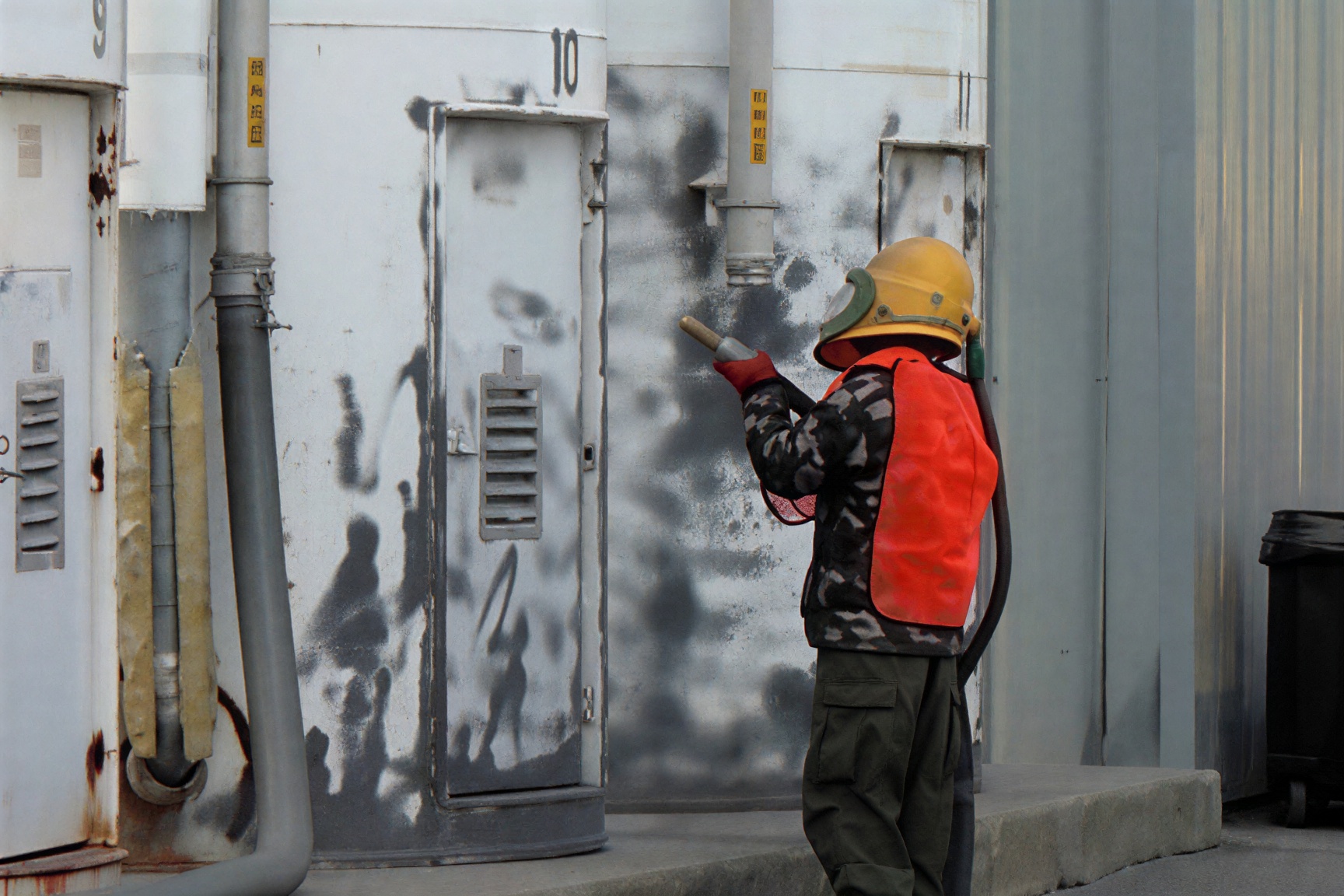
- Abrasive blasting
- Dry ice blasting
- Power washing
- Surface grinding
- Degreasing procedures
- Mechanical cleaning systems
Preparation methods are selected based on surface condition, contamination levels, moisture exposure, and operational requirements.
Controlled Preparation in Active Facilities
Operational facilities often require preparation methods that limit contamination around:
- Machinery
- Inventory
- Production equipment
- Storage systems
- Active work areas
Containment systems, masking procedures, and controlled cleanup processes help reduce disruption during preparation work.
Spray Painting Systems for Large Industrial Projects
High-volume spray application systems help industrial painting contractors complete large coating projects efficiently while maintaining consistent coverage across industrial surfaces.
Industrial Spray Application Equipment
Industrial spray painting projects commonly involve:
- Airless spray systems
- High-volume spray equipment
- Dryfall coating systems
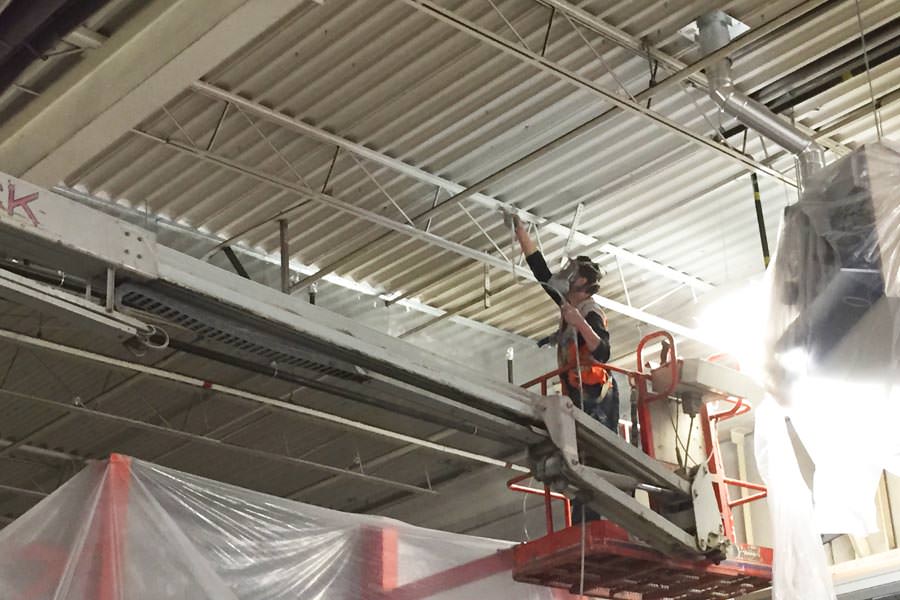
- Elevated access equipment
- Structural steel spray application
These systems help improve project speed across warehouses, industrial ceilings, structural steel, and large operational facilities.
Coordinating Spray Application Around Operations
Spray application schedules are often coordinated around production activity, airflow management, containment requirements, and facility access limitations to help maintain operational continuity during coating work.
Climate Control and Ventilation Planning
Temperature, humidity, and airflow can affect coating performance during industrial painting projects.
Managing Coating Conditions
Certain industrial coatings require controlled environmental conditions during application and curing. Industrial painting contractors may coordinate:
- Airflow management
- Ventilation systems
- Humidity monitoring
- Temperature control
- Cure-time scheduling
Protecting Active Facility Areas
Controlled ventilation and containment systems help reduce overspray exposure and support cleaner working conditions in operational environments during painting projects.
Long-Term Protection Through Proper Coating Application
Industrial coating systems help protect facilities from:
- Corrosion
- Moisture exposure
- Surface deterioration
- Chemical exposure
- Operational wear
Proper application and preparation help reduce maintenance frequency and support long-term coating performance across industrial environments.
Protective Coating Systems for Industrial Facilities
Industrial painting contractors commonly work with:
- Epoxy coatings
- Urethane coatings
- Dryfall coatings
- Fire-retardant coatings
- Corrosion-resistant systems
Coating systems are selected based on facility conditions, exposure levels, and long-term maintenance requirements.
Coating Inspections and Project Verification
Industrial painting projects may include:
- Coverage inspections
- Adhesion checks
- Surface evaluations
- Coating thickness verification
- Final cleanup reviews
These inspections help confirm coating consistency before completed areas return to operation.
Working With Experienced Industrial Painting Contractors
Zero-downtime industrial painting projects require more than coating application alone. Large operational facilities benefit from contractors with experience in:
- Surface preparation
- Spray application
- Shutdown coordination
- Phased project execution
- Containment planning
- Elevated access work
- Operational facility scheduling
Experienced industrial painting contractors help support long-term facility protection while reducing unnecessary disruption during active maintenance projects.
Coordinate Industrial Painting Projects With Minimal Facility Disruption
Induspray provides industrial painting services for warehouses, manufacturing plants, commercial facilities, and operational industrial environments requiring coordinated scheduling, surface preparation, and high-volume spray application. From industrial ceiling painting and structural steel coatings to facility restoration and protective coating systems, experienced crews help support long-term surface protection while minimizing disruption across active facilities. Contact the team today to discuss upcoming industrial painting and maintenance projects.