Manufacturing decision-makers face mounting pressure to extend asset life without inflating capital budgets. Affordable industrial painting services, delivered by a certified and licensed painting contractor, balance coating performance with the realities of aging facilities, demanding shutdown windows, and evolving operational requirements.
Why Manufacturing Plants Choose Affordable Industrial Painting Services
Facility Lifecycle and Operational Demands
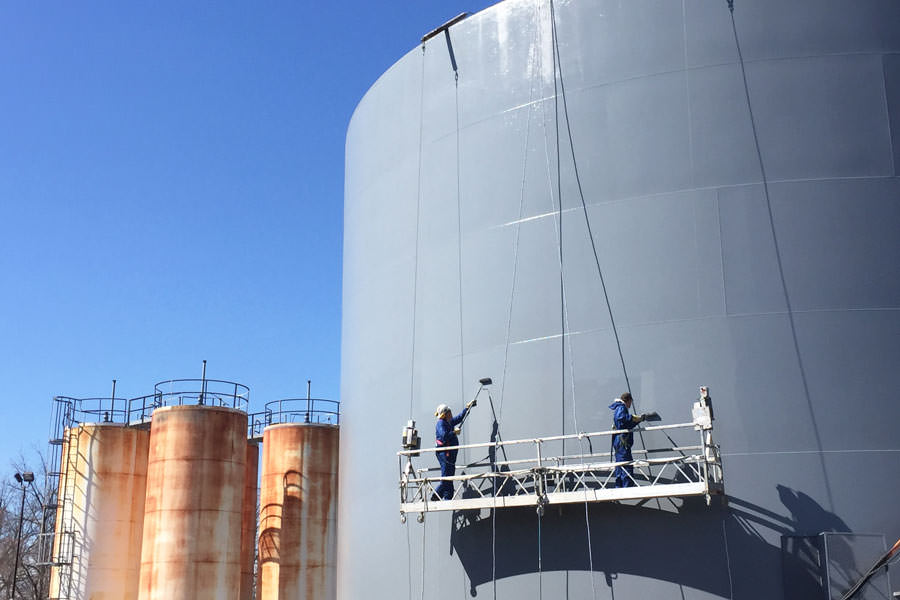
Manufacturing environments depend on coatings that can withstand corrosion, abrasion, moisture exposure, chemical contact, and daily operational wear. Aging structural steel, process equipment, storage tanks, and production flooring require maintenance strategies that protect long-term operational performance without creating unnecessary downtime.
Experienced industrial painting contractors understand how to align coating systems with production schedules, shutdown planning, and ongoing facility operations. This helps manufacturers maintain infrastructure reliability while controlling maintenance costs.
High-Volume Purchasing Power and Cost Efficiency
Established contractors often secure coatings, blast media, and industrial materials at better rates through large-volume purchasing agreements. Those efficiencies support competitive project pricing while maintaining coating quality, proper film build, and long-term durability.
Cost-effective industrial painting services focus on lifecycle performance rather than short-term savings created by reducing preparation standards or lowering coating specifications.
Key Cost Drivers for Affordable Industrial Painting Services
Surface Preparation and Corrosion Control
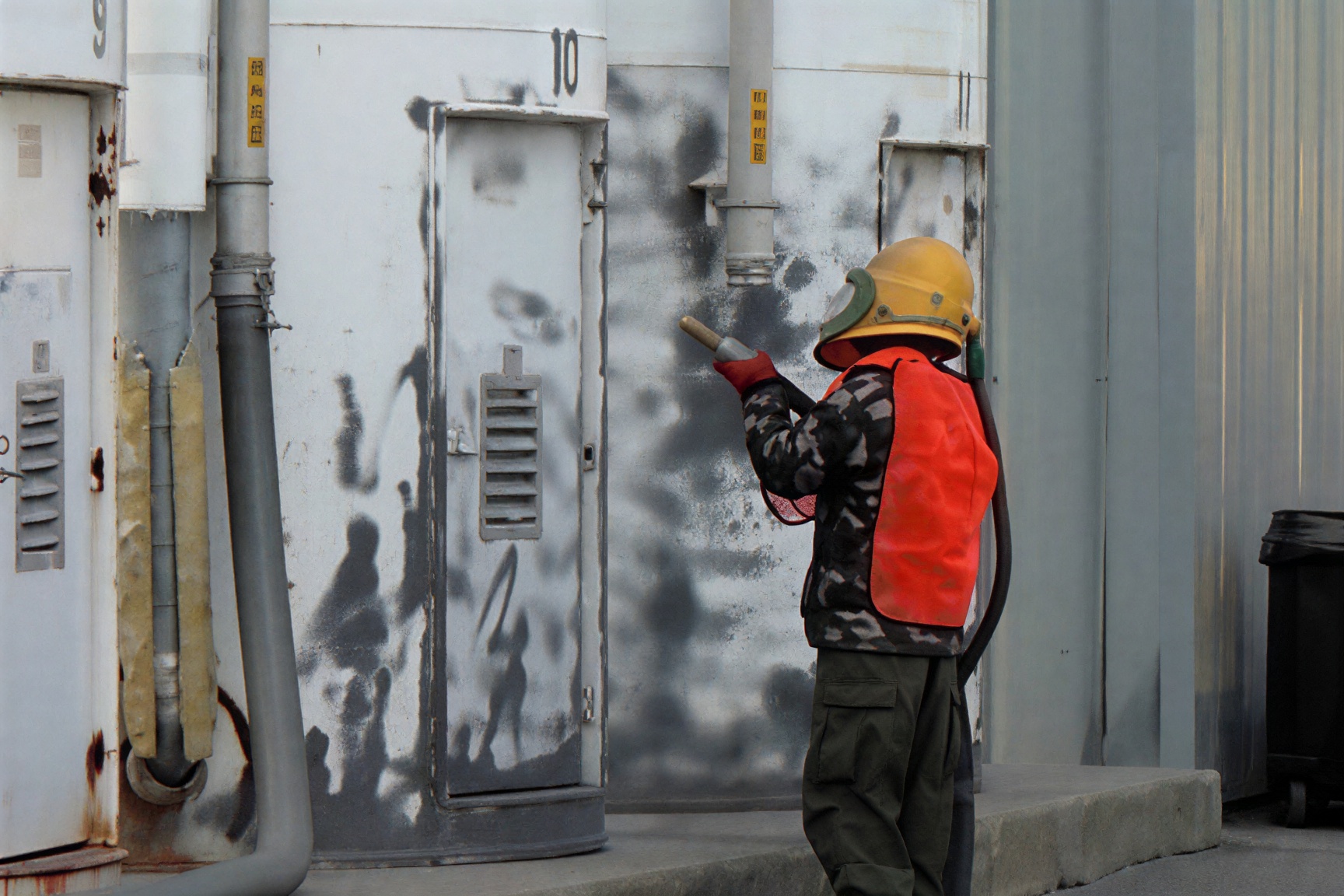
Surface preparation is one of the most important factors influencing coating performance and project cost. Grinding, abrasive blasting, power tool cleaning, and edge preparation help prevent premature coating failure caused by corrosion beneath the coating system.
Proper preparation is especially critical around weld seams, steel edges, bolt assemblies, and high-moisture areas where corrosion risks are highest.
Coating Selection and Labor Requirements
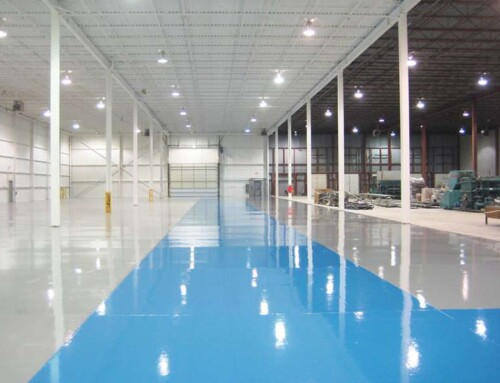
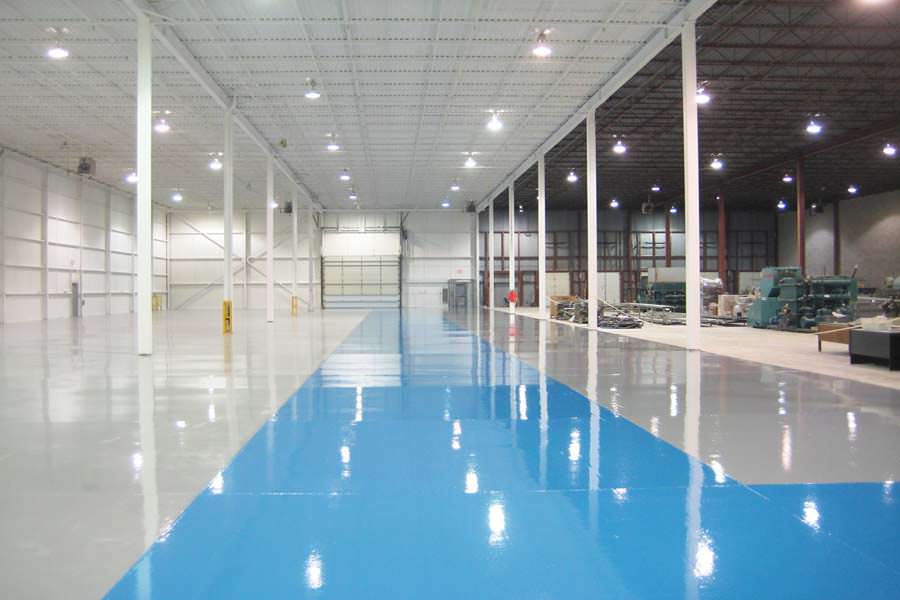
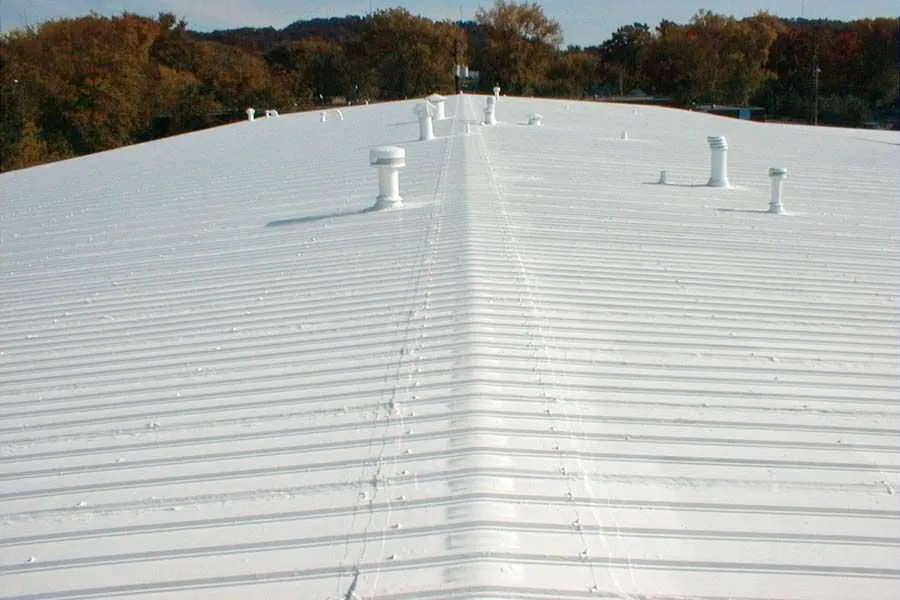
Industrial coating systems vary significantly based on environmental exposure and operational conditions. Epoxy coatings, urethane coatings, and corrosion-resistant systems each provide different performance characteristics for manufacturing facilities.
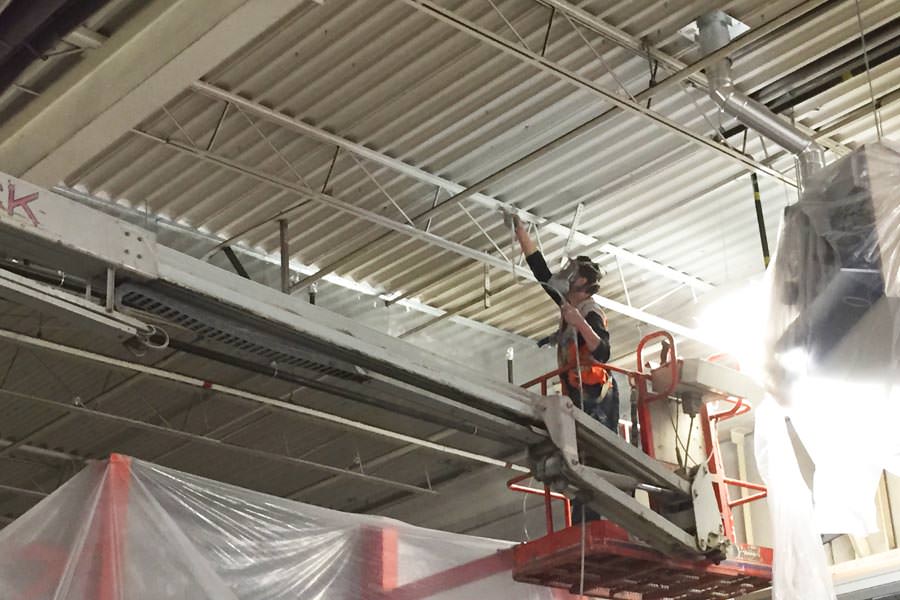
Labor requirements also affect project costs, particularly when projects involve confined spaces, elevated structures, shutdown coordination, or active production areas that require phased scheduling and additional safety procedures.
Technical Requirements for Industrial Painting Projects
VOC Compliance and Chemical Resistance
Modern industrial coating projects often require low-VOC formulations, containment procedures, and proper material handling practices. High-solids coatings help facilities maintain chemical resistance and long-term coating durability in demanding industrial environments.
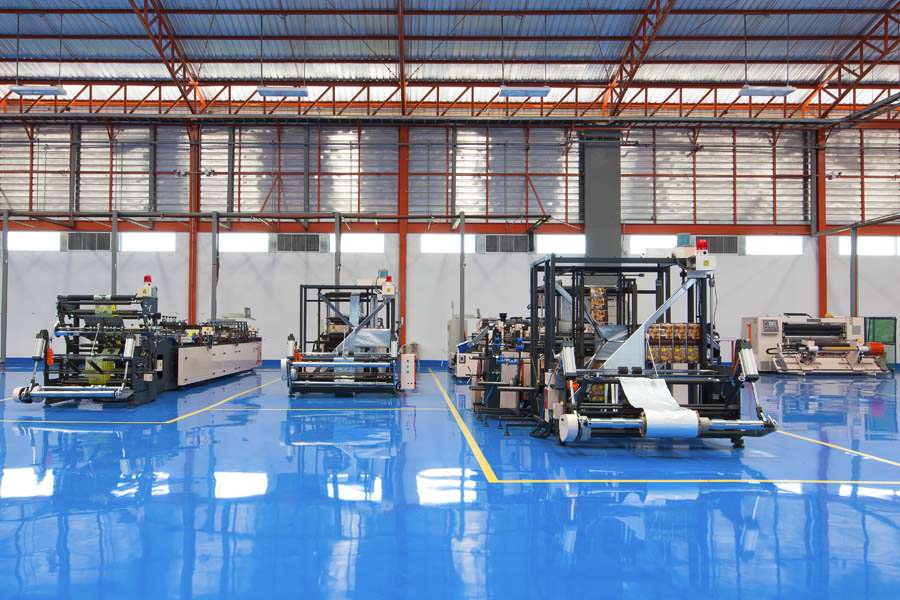
These systems are commonly used for storage areas, process equipment, structural steel, containment zones, and industrial flooring exposed to continuous operational stress.
Advanced Industrial Spray Application Techniques
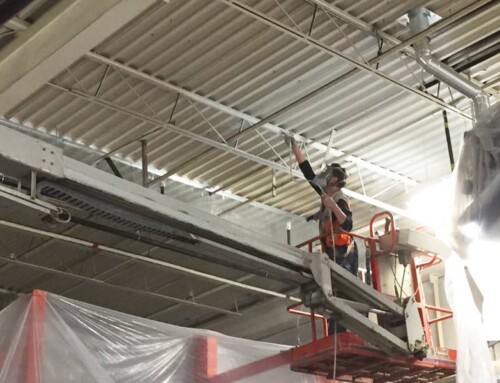
Industrial contractors frequently use high-volume airless spray systems and specialized spray application equipment to maintain consistent coating coverage across complex steel structures and equipment surfaces.
Specialized application methods also support fireproof coatings, corrosion-resistant systems, and high-performance protective finishes used throughout industrial facilities.
How Manufacturers Minimize Downtime During Painting Projects
Coordinated Shutdown Planning
Unplanned downtime creates operational and financial pressure for manufacturing facilities. Industrial painting contractors often reduce disruption through phased scheduling, pre-staged materials, off-shift work, and fast-curing coating systems.
Segmented work zones allow painting crews to complete projects while unaffected production areas continue operating whenever possible.
Safety Certifications and Risk Management
Manufacturing facilities should evaluate contractors based on safety programs, insurance coverage, industrial project experience, and workforce training standards. Certified crews and licensed industrial painting professionals help support safe execution across complex facility environments.
Strong shutdown planning and site coordination also help reduce risks associated with active industrial operations.
Choosing the Right Industrial Painting Contractor
Warranties and Post-Project Verification
Industrial coating warranties should align with the selected coating system and expected operating conditions. Post-project inspections may include coating thickness checks, adhesion verification, and visual quality inspections to confirm long-term coating performance.
Extremely low project bids can indicate reduced preparation standards, insufficient labor allocation, or incomplete project scope assumptions that may affect durability.
Working With an Experienced Industrial Painting Contractor
Manufacturers benefit from working with contractors that understand facility operations, shutdown coordination, surface preparation requirements, and protective coating systems. A certified and licensed industrial painting contractor with experience in corrosion control, fireproof coatings, and industrial maintenance projects can support long-term facility protection while maintaining operational efficiency.