All the coatings on a plant floor, steel frame, or storage tank eventually reach a point where touch-ups stop working. Rust creeps under the film, old paint lets go, and fresh coats peel within a season. At that stage, sandblasting services are usually the most reliable way to return the surface to a condition that new coatings can actually grip.
1. What does sandblasting do to industrial surfaces?
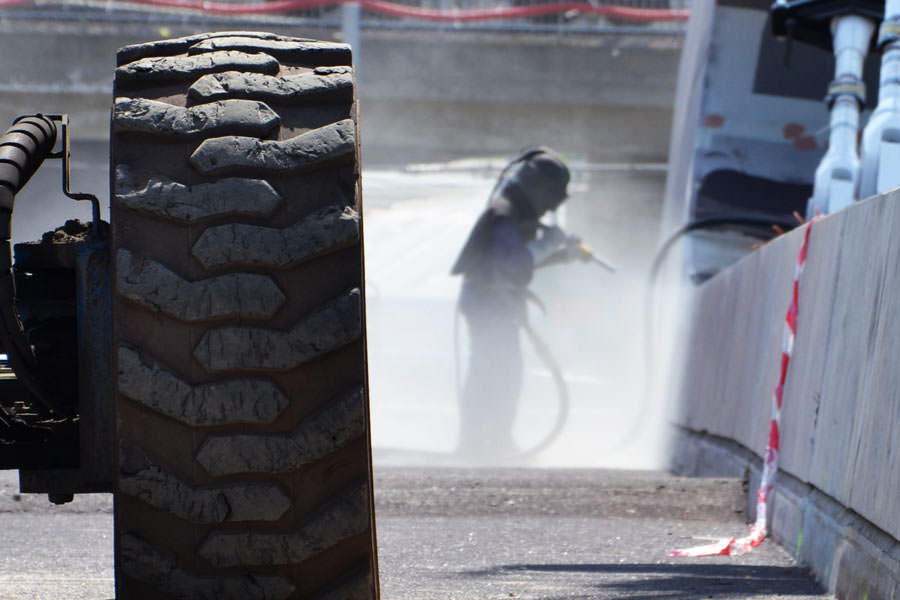
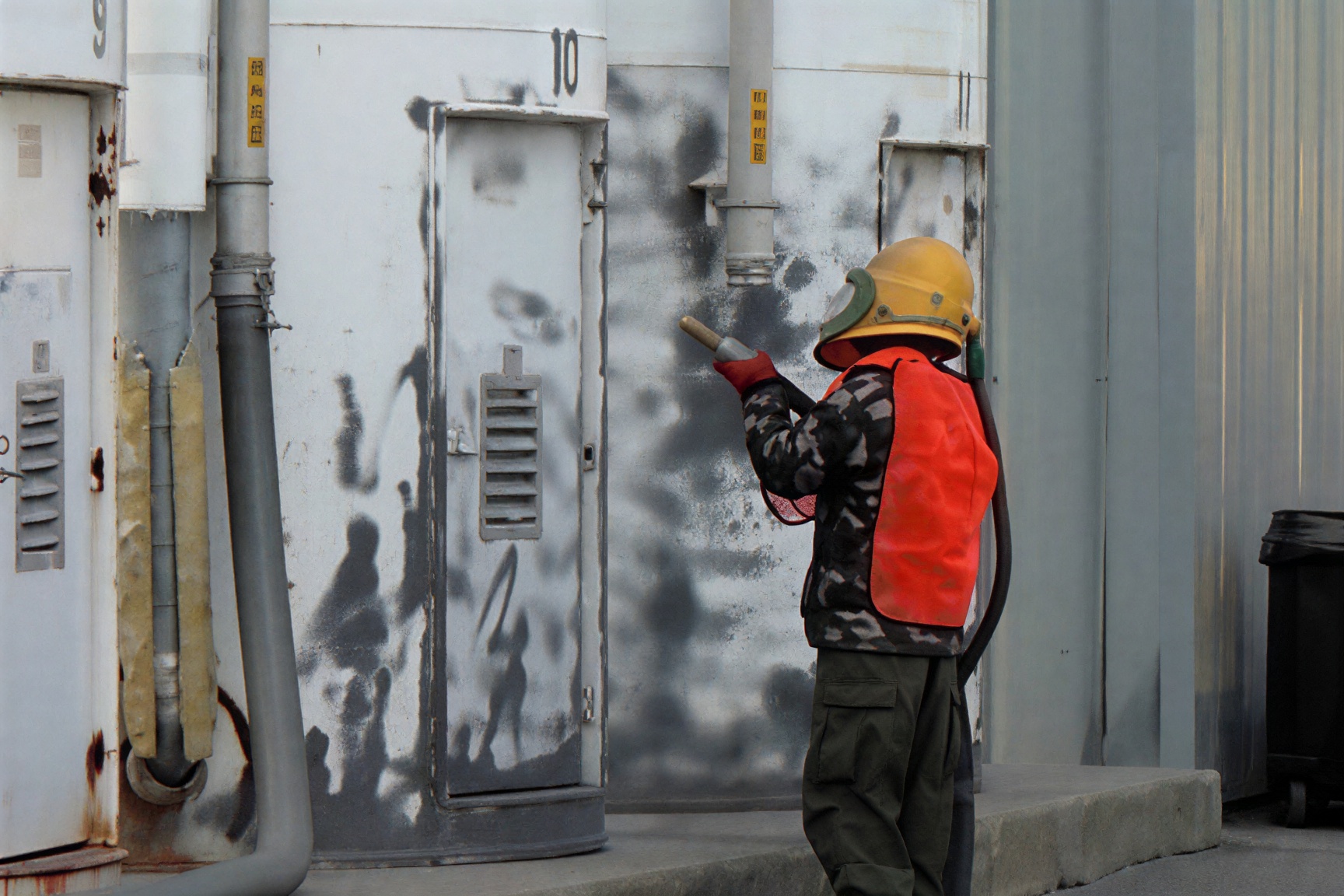
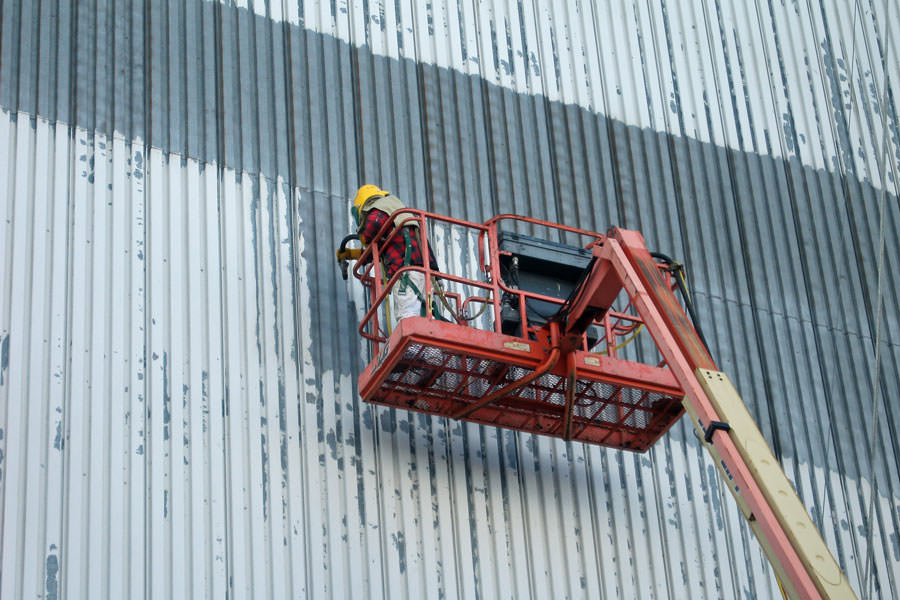
It uses pressurized abrasive to strip rust, mill scale, old coatings, and contaminants, leaving a clean surface with a profile that helps new coatings bond.
2. Can you paint over rust without sandblasting?
You can, but coatings applied over active rust tend to fail early because corrosion keeps spreading beneath the film.
3. Is sandblasting safe for concrete?
Yes, when pressure and abrasive are matched to the surface. Controlled blasting cleans and profiles concrete without structural damage.
For plant managers and facility owners, the challenge is timing. Blast too late and corrosion has already eaten into the steel. Recoat without blasting and you pay for the same job twice. The seven signs below cover the most common coating failure signs across manufacturing plants, warehouses, parking garages, and oil and gas sites, along with what each one says about the surface underneath.
1. Rust Is Spreading Across Structural Steel
Surface rust on a few bolts is routine maintenance. Rust bleeding across beams, columns, and purlins is a bigger problem. Once corrosion moves beyond isolated spots, wire brushing and spot priming can’t pull it out of pits and seams.
Industrial rust removal through abrasive blasting reaches into those pits and takes steel back to bare metal. That matters most in metal fabrication shops and oil and gas facilities, where moisture, chemicals, and heat speed up corrosion on exposed framing.
2. Old Coatings Are Peeling, Blistering, or Chalking
Each failure points to a different cause. Peeling usually means adhesion loss. Blistering suggests moisture or contaminants trapped under the film. Chalking, the powdery residue that rubs off on your hand, means UV exposure has broken down the binder.
Painting over any of these locks the defect in place. A new layer is only as secure as the failing one beneath it, so full removal is the safer path.
3. Mill Scale Is Blocking New Coating Adhesion
New steel isn’t automatically ready for paint. Hot-rolled steel leaves the mill with a bluish-gray oxide layer called mill scale. It looks tight, but it cracks and pops off as the steel expands and contracts, taking your coatings with it.
Solvent cleaning and light sanding won’t remove it. Abrasive blasting is the standard method for clearing mill scale before priming structural members, tanks, or silos.
4. Equipment Carries Heavy Grease and Production Buildup
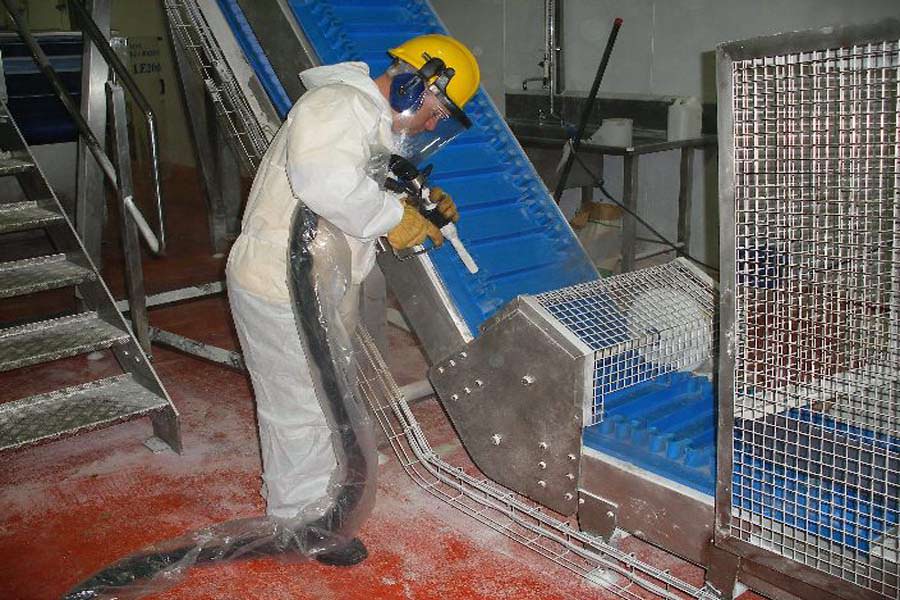
Machinery in automotive plants and plastic production facilities collects layers of grease, resin, overspray, and process residue. New coatings won’t bond to that film, no matter how good the product is.
Degreasing comes first. Blasting then removes what solvents leave behind and creates a profile for fresh machinery and equipment coatings. The result is a finish that stands up to wash-downs and daily wear instead of flaking off near moving parts.
5. Concrete and Masonry Look Stained and Uneven
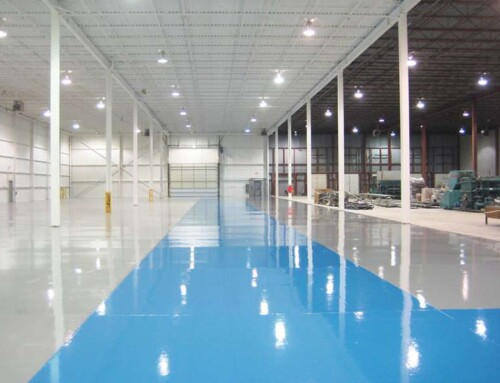
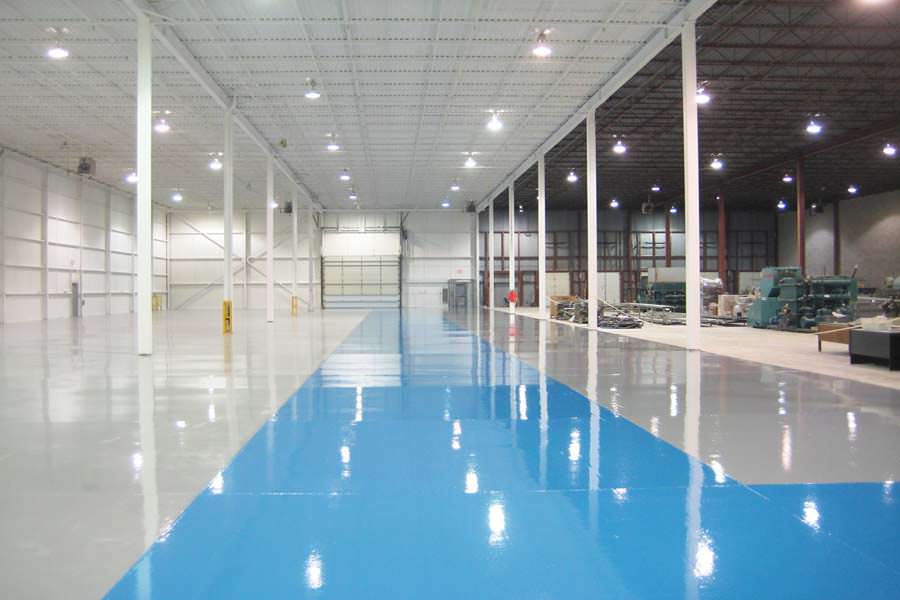
Concrete floors in warehouses and parking garages absorb oil, tire marks, and chemical spills. Masonry walls pick up efflorescence and grime. Beyond looking rough, these contaminants keep epoxy floor coatings and wall coatings from bonding.
Controlled blasting opens the concrete surface, removes weak laitance, and produces the texture epoxy systems need. Skipping this step is one of the most common reasons floor coatings delaminate under forklift traffic.
6. Your Last Paint Job Failed Ahead of Schedule
When a system meant to last years starts failing in months, look at surface preparation first. More often than not, the product wasn’t the problem. The surface underneath it was.
Contaminants left on steel, too little surface profile, or new paint applied over old, unstable layers all cut service life short. Blasting before the next application removes that guesswork and gives the new coatings a fair chance to perform as designed.
7. A New Coating Spec Calls for a Blast Standard
Many high-performance coatings list a required surface preparation grade on the product data sheet, such as SSPC-SP 6 commercial blast or SSPC-SP 10 near-white blast. Some specs also call for a specific surface profile depth.
Those requirements carry weight. Applying coatings over a surface that doesn’t meet them can shorten service life and put manufacturer warranties at risk. If your spec names a blast standard, sandblasting is the first line item, not an add-on.
Conclusion
Every sign on this list points to the same underlying issue: the surface needs a reset before anything new goes on. Catching these signs early keeps a straightforward recoat from turning into steel repair or equipment replacement.
If you’re seeing one or more of them, have a certified, licensed, and fully insured painting contractor assess the surface. The right sandblasting services protect your coatings investment and keep production moving.
Frequently Asked Questions
Does sandblasting remove mill scale?
Yes. A commercial blast or higher removes mill scale and prepares new steel for primer.
What is a surface profile?
It's the texture, or anchor pattern, that blasting cuts into a surface. It's measured in mils and gives coatings something to grip.
How do I know if coatings need full removal or just a recoat?
Peeling, blistering, or rust under the film usually calls for removal. Sound but faded coatings may only need a recoat after inspection.