Abrasive blasting removes rust, mill scale and failed coatings from steel, but it can generate substantial airborne dust. Inside an operating plant, that dust does not stay put. For plant managers and maintenance leads, how sandblasting contractors control dust determines whether surface preparation stays contained to the work area or disrupts the production floor.
What Causes Silica Dust During Sandblasting?
Silica dust is released when an abrasive containing crystalline silica fractures on impact. It can also be released when crews blast silica-containing materials, such as concrete and masonry.
What Is Blast Containment?
Blast containment uses barriers or an enclosure to limit the spread of dust and spent abrasive. Enclosed indoor work may also require extraction ventilation.
Below, we cover dust containment, cleanup methods and the questions to ask a blasting contractor before work starts.
Why Dust Control Matters Inside an Operating Plant
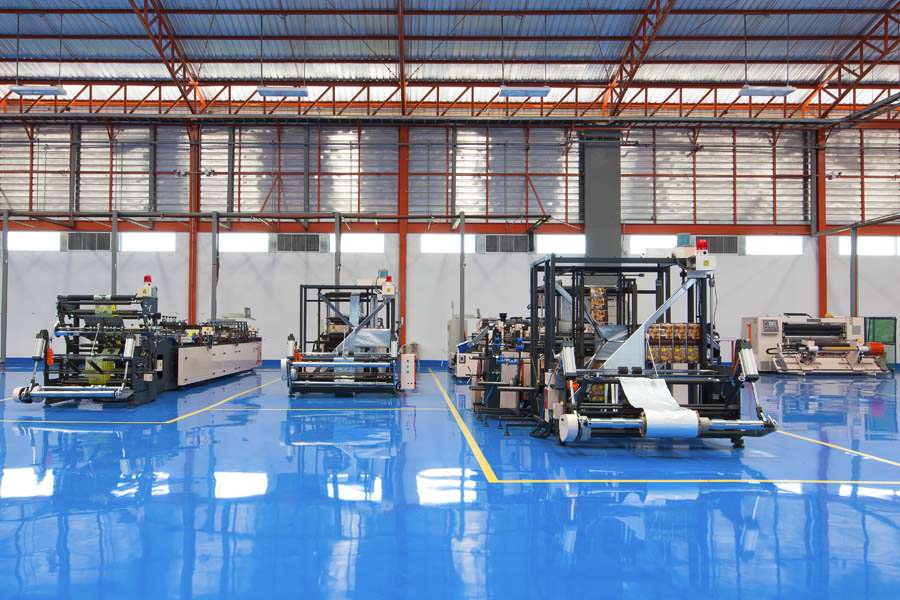
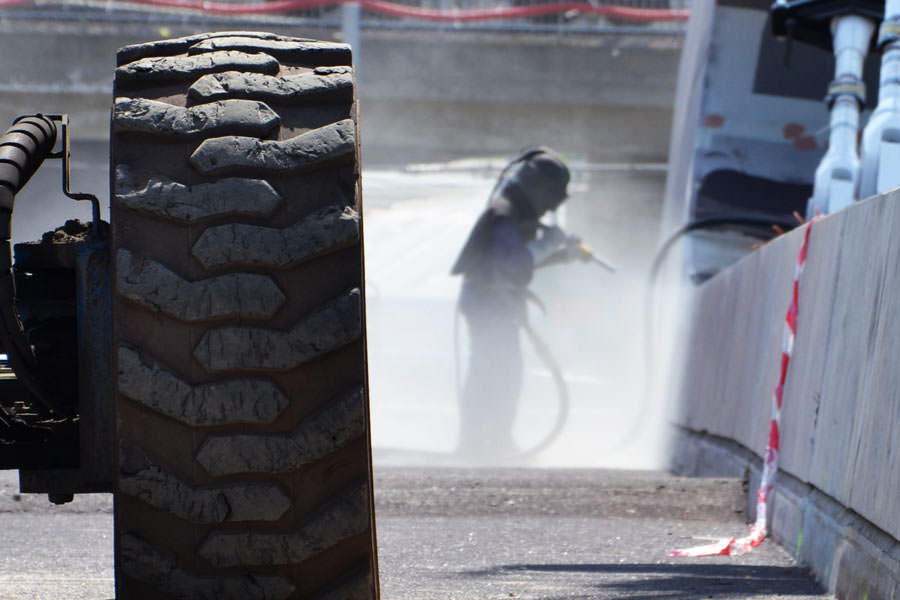
Blasting beside running presses, extrusion lines or a fabrication shop is very different from blasting in an empty building. Spent abrasive, pulverized coatings and rust fines ride air currents. They settle on machine ways, electrical cabinets, finished products and nearby workers.
Grit in bearings and slideways can shorten equipment life. Dust on finished parts can mean rework or rejects. In automotive and plastic production, dust contamination on moulds or painted components can lead to cleaning, rework and production delays. Effective blasting dust control helps protect workers, equipment and production activities.
Silica Exposure Considerations for Ontario Facilities
Before work begins, facility managers and contractors should review the applicable requirements for the site, materials and planned blasting activities.
Silica does not only come from the abrasive. Ontario guidance notes that exposure can occur when the material being blasted contains silica, as concrete and masonry do. Blasting these surfaces can release silica even when the abrasive contains no crystalline silica.
How Sandblasting Contractors Contain the Blast Zone
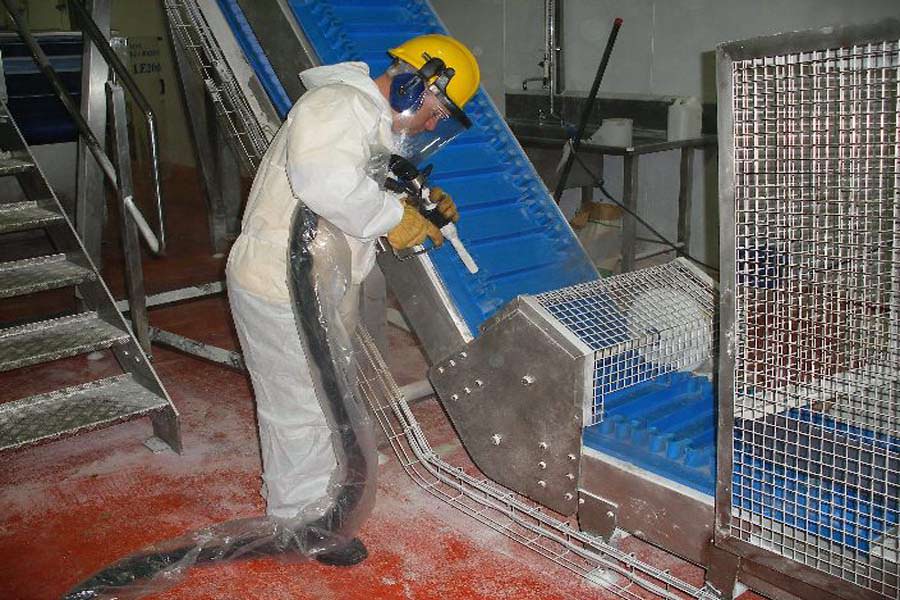
Blast containment helps limit the spread of dust and spent abrasive. On interior jobs, crews build an enclosure of framing and reinforced tarps or poly sheeting, with taped seams and overlapped entry flaps. Crews cover floor drains, conveyors and open cable trays before blasting begins.
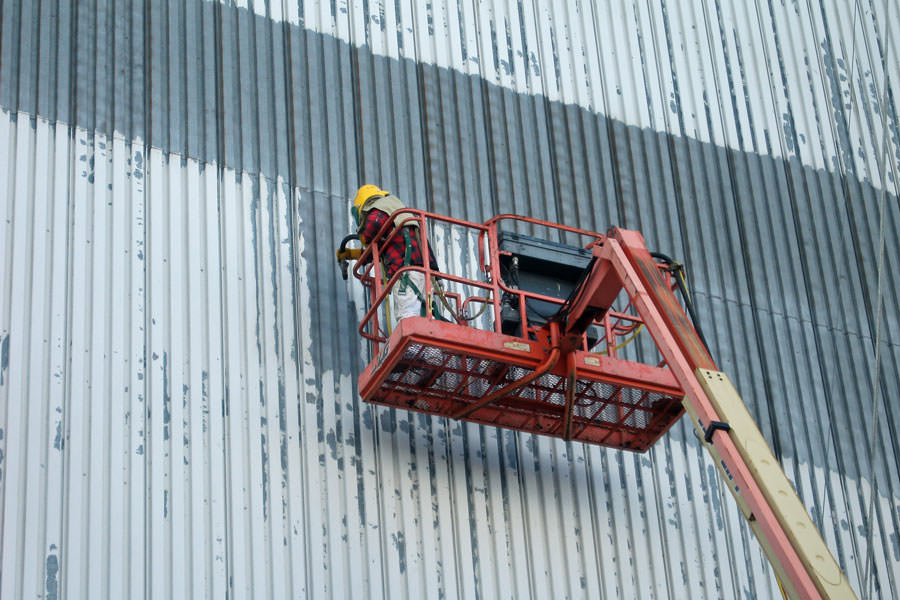
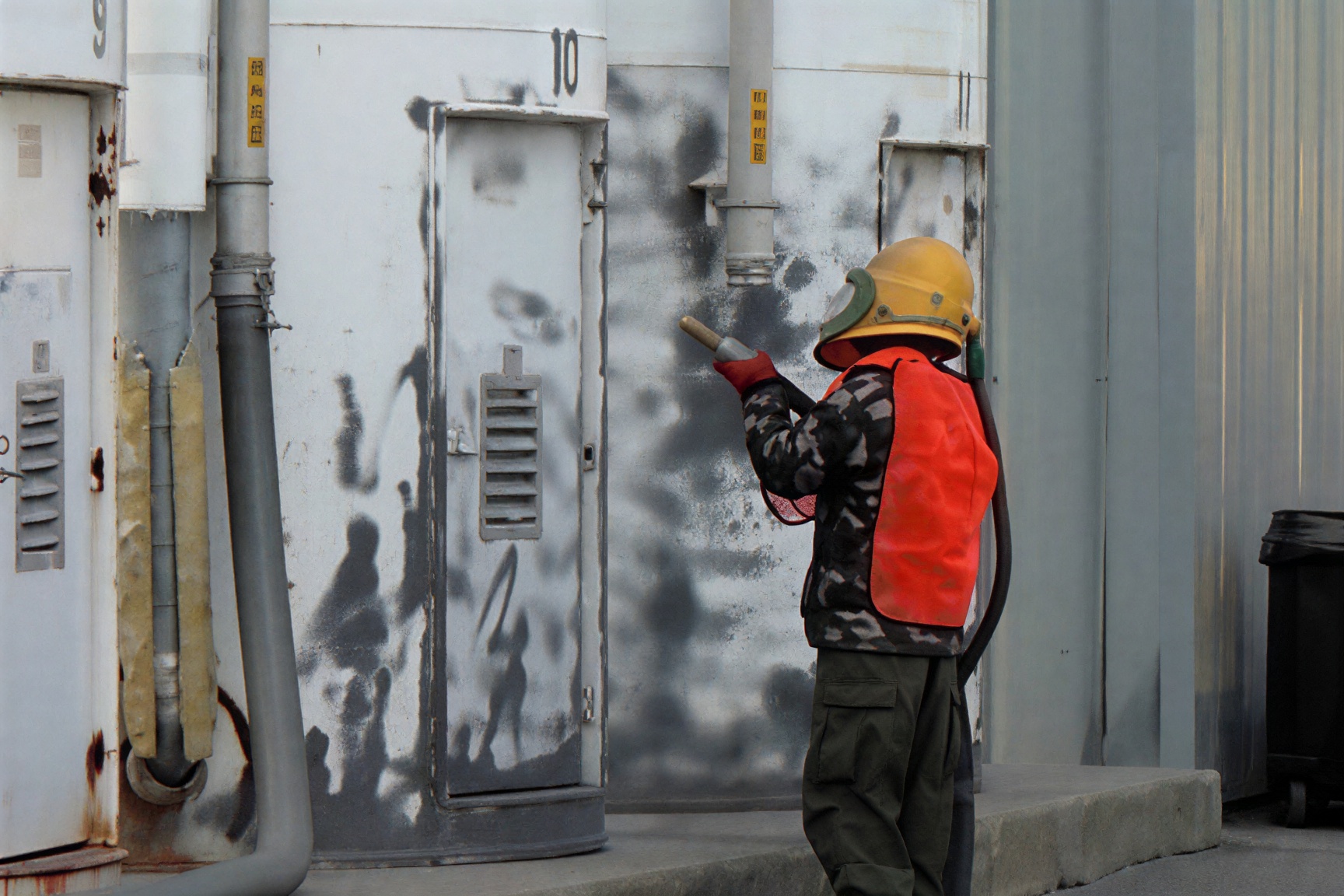
On silos and storage tanks, shrouds and ground tarps catch spent abrasive before wind carries it off.
Extraction Ventilation, HEPA Vacuums and Wet Cleanup Methods
Containment works best when air moves in the right direction. Dust collectors or filtered extraction units draw air through the enclosure and out through filters. In a well-designed enclosure, this negative pressure draws air in through small gaps rather than pushing dust out. Crews check enclosure integrity and ventilation performance throughout the shift using methods appropriate to the containment system.
Cleanup follows the same logic. Dry sweeping and pressurized air blowing can put settled dust back into the air, so crews avoid them during cleanup. Ontario’s silica guidance for construction projects recommends HEPA vacuuming or suitable wet cleanup methods after indoor abrasive blasting. Wet cleaning methods can also help where water will not harm equipment. Media recovery systems collect reusable abrasives such as steel grit for recycling, which helps reduce loose material inside the enclosure.
Abrasive Choices That Can Reduce Silica Exposure
Contractors should review the abrasive’s crystalline silica content when assessing potential exposure. Alternative abrasives include steel shot and grit, garnet, crushed glass and certain slag products. Contractors should assess their composition and hazards before use.
Steel shot and grit can be recovered and reused in suitable blasting systems. Dust generation still depends on the abrasive, operating conditions and material being removed.
Abrasive choice also depends on the substrate and the surface profile your coatings require. Your contractor should explain the choice and supply the safety data sheet under WHMIS.
Ontario’s Ministry of Labour has also flagged allergens as a factor. Its alert on sandblasting and blasting material states that when choosing a blasting material, employers must consider whether it can cause an allergic reaction. Workers should know which abrasive will be used, and workers with severe allergies should tell their employer.
Protecting Nearby Crews and Production Lines
Even with sound containment, the surrounding area needs barricades, signage and restricted access so only protected workers enter. Ask the contractor to document the respiratory protection required for blast operators and other workers who may enter the work zone.
Timing helps too. Some plants schedule the dustiest phases outside regular production hours or during planned shutdowns. They also relocate sensitive stock away from the work area.
Air monitoring can help evaluate how well dust control is working. The monitoring plan should address worker exposure and potential dust migration beyond the enclosure.
What to Ask a Blasting Contractor Before Work Begins
Before work begins, discuss these questions and request the related documentation. The answers help you plan the work safely. A checklist alone does not establish legal compliance.
- What does your dust control plan specific to the site show for enclosure layout, air handling and cleanup methods?
- Which abrasive will you use? Can you provide its safety data sheet and describe your media recovery approach?
- Where silica or other airborne hazards may be present, what air monitoring do you plan, and how will you share the results?
- What training do your crews hold for the hazards involved, such as WHMIS, respiratory protection, working at heights or confined space entry?
- How will you collect and dispose of spent abrasive and removed coatings?
Frequently Asked Questions
Do Sandblasting Contractors Use Dust Collectors?
Dust collectors or filtered extraction units can help control airborne dust and maintain negative pressure in a suitably designed enclosure.
Which Blasting Media Produces the Least Dust?
No single abrasive produces the least dust in every application. Dust generation depends on abrasive breakdown, operating conditions and the surface being blasted. The right choice also depends on the substrate and required profile.
Why Is Dry Sweeping Avoided After Blasting?
Dry sweeping can lift settled blasting dust back into the air, including silica where present. HEPA vacuums and wet cleanup methods, where suitable, help capture the dust instead of spreading it.
Contact Induspray to discuss your facility’s sandblasting requirements and dust-control arrangements.