Toronto winters are punishing. Temperatures swing from freezing to thaw and back again, and every cycle puts stress on unprotected concrete floors. For industrial and commercial facilities, that cycle means cracking, spalling, surface deterioration, and escalating repair costs. Epoxy flooring in Toronto addresses all of this and it does so by working with the physics of cold-weather concrete rather than against them.
Why Toronto’s Winters Are Hard on Concrete Floors
Concrete is porous. When moisture from snow melt, tracked-in slush, or de-icing salt solution soaks into the slab and then freezes, it expands. That expansion fractures the concrete from within. Repeat this process dozens of times across a single winter, and even well-poured slabs begin to deteriorate. Add road salt and de-icing chemicals to the equation, and the corrosion compounds the structural damage.
This is the freeze-thaw problem, and it’s the primary reason so many Toronto industrial and commercial facilities deal with floor repairs every few years.
How Epoxy Flooring Stops Freeze-Thaw Damage
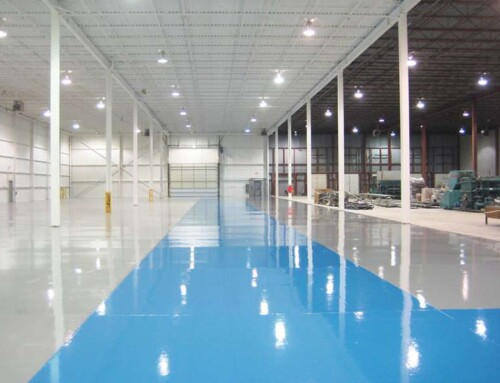
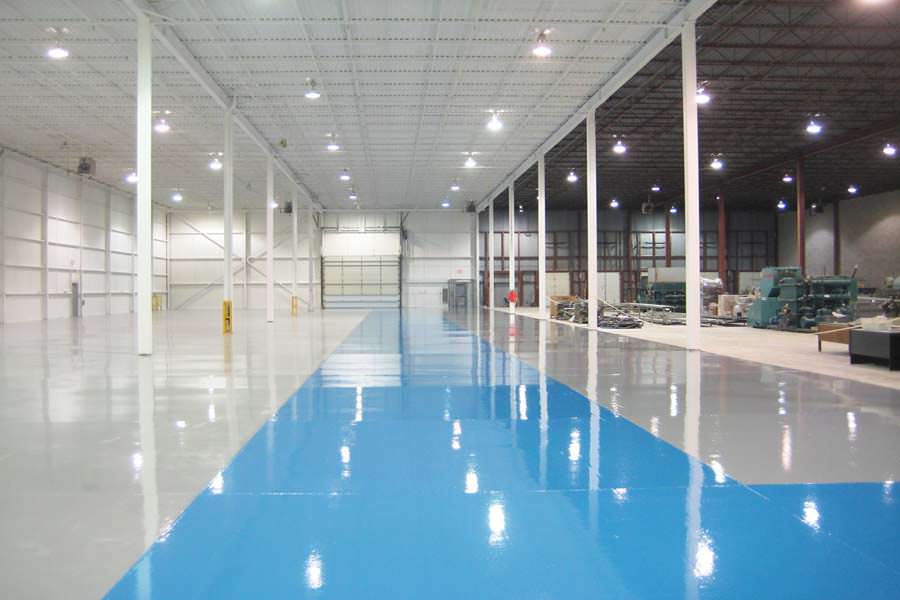
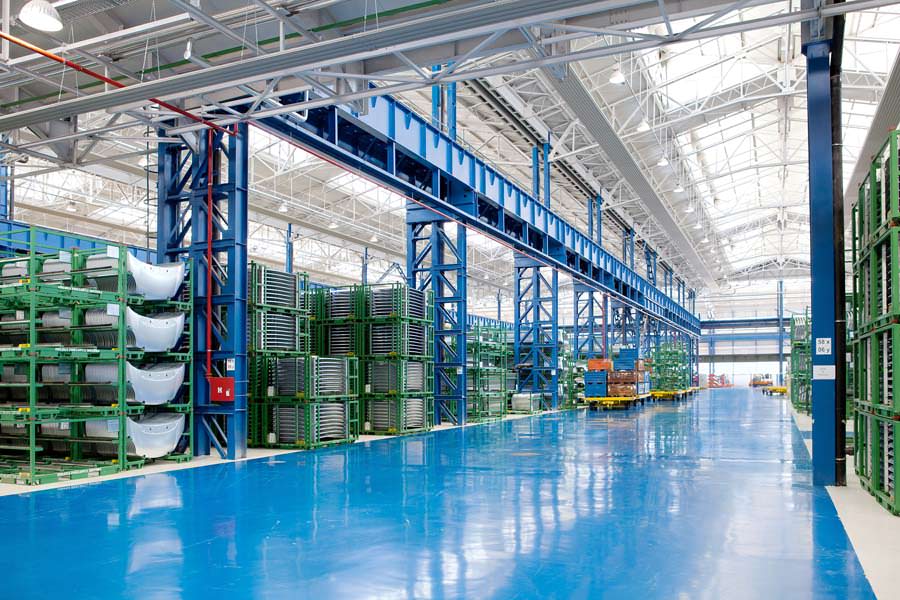
Epoxy flooring works because it seals the concrete entirely. When professionally applied, it creates a seamless, non-porous surface barrier that prevents moisture and chemical-laden salt from reaching the slab below. No water penetration means no freezing, no expansion, and no cracking from within.
Beyond blocking moisture, high-quality epoxy coatings are engineered to handle structural movement. Concrete expands and contracts with temperature changes epoxy systems are formulated to flex slightly with those shifts, maintaining adhesion and surface integrity through the full range of a Toronto winter.
The Protective Benefits at a Glance
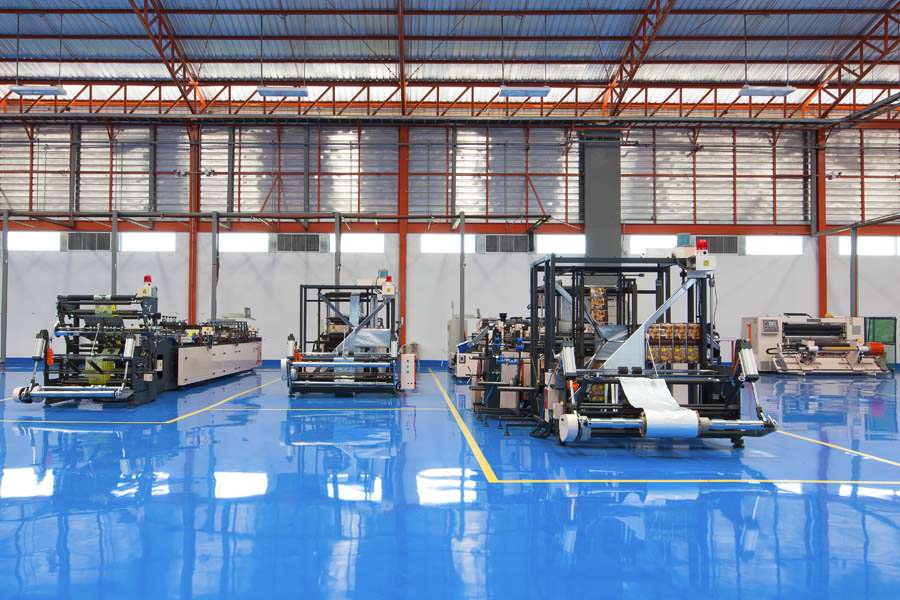
Epoxy flooring in Toronto industrial facilities provides several layers of winter protection working together. The waterproof barrier prevents snow, ice melt, and road salt from infiltrating the concrete surface. The chemical resistance of the cured coating stops de-icing compounds from degrading the slab’s structural integrity. By blocking water absorption entirely, the core freeze-thaw mechanism is neutralized. And because the surface is smooth and non-porous, daily maintenance clearing slush, mopping salt residue requires no special equipment or harsh cleaners.
There’s an operational benefit, too. Epoxy floors significantly reduce airborne dust, which matters in manufacturing and warehousing environments where equipment reliability and air quality are priorities.
Choosing the Right Coating System for Cold Climates
Not all epoxy systems perform equally in cold-weather environments. Standard epoxy performs well in occupied and heated industrial spaces, but its ability to cure properly drops sharply as temperatures fall. For installations in colder conditions, or for spaces with less climate control, contractors often recommend specialized systems.
Polyaspartic coatings are the most common upgrade for cold-climate applications. They cure effectively at lower temperatures, offer faster set times when operational downtime needs to be minimized and deliver comparable or superior durability to traditional epoxy. For high-traffic zones or entryways exposed to winter moisture, polyaspartic systems are the preferred specification.
Anti-slip additives, such as aluminum oxide, can be incorporated into any epoxy or polyaspartic system to reduce slip risk in areas prone to wet or icy conditions, a practical safety measure for any facility operating through a Canadian winter.
Installation and Long-Term Value
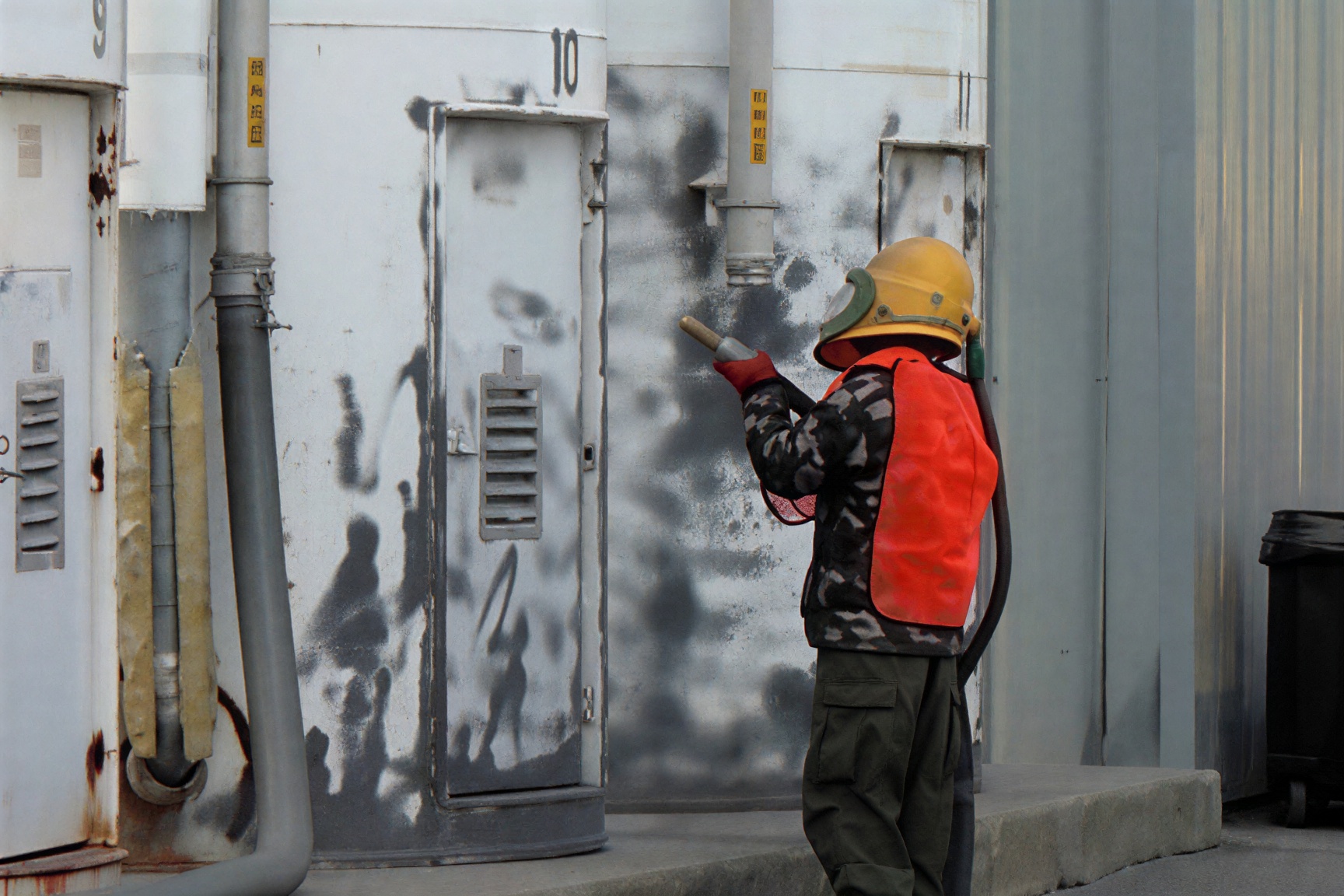
Proper surface preparation is the non-negotiable foundation of any epoxy installation that will hold up in cold conditions. Concrete grinding ensures the coating bonds fully to the slab. Without that bond, delamination becomes a risk particularly with the thermal expansion and contraction cycles that Toronto winters produce. Working with experienced epoxy floor contractors who understand cold-weather curing requirements and local climate demands is essential.
The investment case for epoxy flooring in Toronto is straightforward: the upfront installation cost is offset by the elimination of recurring repair cycles, reduced maintenance labour, and the extended service life of the concrete itself. Facilities that install epoxy properly, with the right system for their environment, typically see it perform for years with minimal intervention.
Induspray Inc.: Toronto’s Industrial Epoxy Flooring Specialists
Induspray Inc. has provided industrial and commercial coating solutions across Toronto and Southern Ontario for decades. Their certified, insured teams conduct thorough site assessments before every project, recommend the right coating system for the facility’s specific conditions, and apply with the quality control that long-term performance requires.
To discuss your epoxy flooring project and receive a facility-specific estimate, contact Induspray Inc. directly at 416-422-3020 or through their website.