Commercial and industrial roofs are among the most important assets protecting daily operations, inventory, equipment, and personnel. Over time, exposure to ultraviolet radiation, rain, snow, temperature fluctuations, and regular maintenance traffic can cause roofing systems to show signs of wear. When leaks, surface deterioration, or weather-related damage begin to appear, many facility managers assume that roof replacement is the next step. However, replacement is not always necessary.
For many buildings with structurally sound roofing systems, an elastomeric roof coating offers a practical way to restore performance, extend roof life, and delay the significant costs associated with replacement. Rather than removing and replacing an entire roof system, facilities can often benefit from a restoration approach that protects existing assets while minimizing disruption.
When Should a Commercial Facility Consider an Elastomeric Roof Coating?
A commercial facility should consider an elastomeric roof coating when the roof remains structurally sound but shows signs of weathering, minor leaks, or surface deterioration. Coating systems help restore protection, extend roof life, and delay costly replacement projects.
How Does an Elastomeric Roof Coating Help Extend Roof Life?
An elastomeric roof coating creates a seamless waterproof membrane that protects the roof from UV exposure, moisture intrusion, and temperature fluctuations. This added protection helps slow roof deterioration and supports long-term performance.
Why Roof Replacement Is Not Always the First Solution
Roof replacement is a major capital project that involves material removal, labor, disposal costs, and operational planning. While replacement may be necessary when a roof has reached the end of its service life, many commercial and industrial roofs still have years of usable life remaining.
Problems such as minor leaks, weathering, seam deterioration, and UV damage often affect the roof surface before they compromise the structural integrity of the roofing system. In these situations, an elastomeric coating can provide a protective layer that restores performance and helps prevent further deterioration.
This approach allows facility owners to address roofing concerns proactively while preserving the value of their existing roof system.
What Is an Elastomeric Roof Coating?
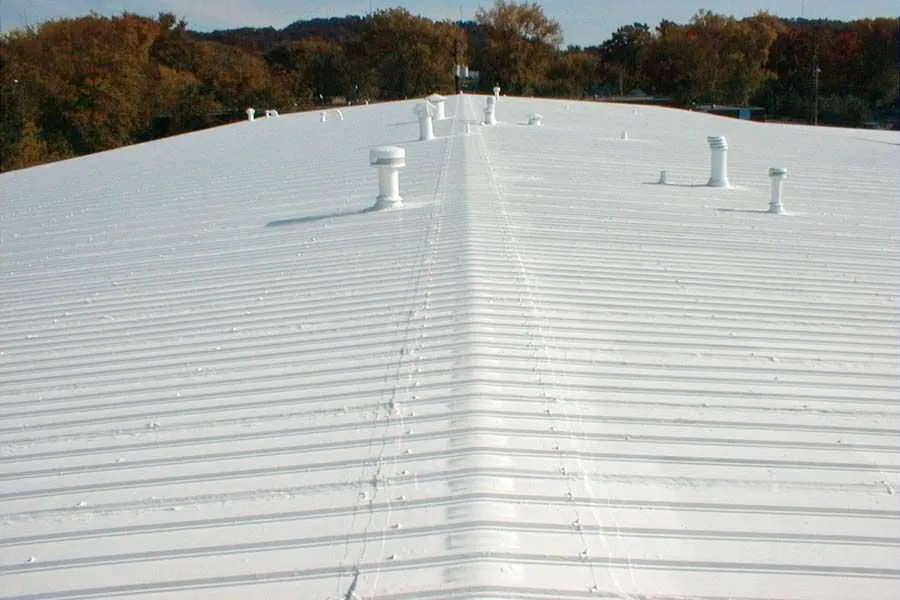
An elastomeric roof coating is a high-performance liquid-applied membrane designed to create a seamless protective barrier over an existing roof. Once cured, the coating remains flexible and can expand and contract with changing temperatures without cracking or losing adhesion.
Unlike conventional paint products, an elastomeric coating is specifically engineered for roofing applications. It helps protect the roof from moisture intrusion, UV exposure, and weather-related wear while improving overall roof performance.
Because the coating forms a seamless waterproof membrane, it can help reduce common failure points found around seams, fasteners, penetrations, and other vulnerable roof areas.
How Elastomeric Coating Extends Roof Life
One of the primary reasons facilities invest in elastomeric roof coating is the opportunity to extend the service life of an existing roof.
Roof systems naturally deteriorate when exposed to environmental conditions year after year. Sunlight gradually breaks down roofing materials, while seasonal expansion and contraction place stress on seams and connections. Water intrusion can further accelerate the aging process.
An elastomeric roof coating acts as a protective layer between the roofing system and the environment. By shielding the roof from UV radiation, moisture, and temperature fluctuations, the coating helps slow the deterioration process and preserve the underlying roof structure.
For many facilities, this can postpone the need for replacement while improving overall roof performance.
Why Metal Roofs Are Ideal for Elastomeric Coating
Commercial and industrial metal roofs are particularly well suited for elastomeric coating systems.
Metal roofing systems frequently experience thermal movement as temperatures change throughout the day and across seasons. This constant expansion and contraction can place stress on seams, fasteners, and roof penetrations.
An elastomeric coating remains flexible after curing, allowing it to move with the roof while maintaining protection. The coating can also help seal vulnerable areas where leaks commonly develop.
Benefits for metal roofing systems include:
- Protection against weather-related deterioration
- Improved resistance to moisture intrusion
- Reduced stress on seams and fasteners
- Extended roof service life
- Enhanced roof appearance and performance
For facilities operating warehouses, manufacturing plants, logistics centers, and industrial buildings, coating a metal roof can be a practical alternative to premature replacement.
Leak Prevention Through a Seamless Waterproof Membrane
Water intrusion is one of the most common reasons facilities begin evaluating roofing solutions.
Even small leaks can create larger operational concerns if left unaddressed. Moisture can affect insulation, damage equipment, impact inventory, and increase maintenance costs. The longer water infiltration continues, the greater the potential for more extensive repairs.
An elastomeric roof coating creates a seamless waterproof membrane across the roof surface. Unlike systems that rely on multiple joints or seams, the coating provides continuous protection that helps prevent water from reaching the underlying roof structure.
This waterproof barrier is particularly valuable for facilities that depend on controlled indoor environments and uninterrupted operations.
The Importance of Roof Inspection and Surface Preparation
The performance of an elastomeric coating depends heavily on proper preparation.
Before any coating is applied, a thorough roof inspection should be completed to evaluate the condition of the roofing system. Existing issues such as damaged seams, loose fasteners, deteriorated flashing, or localized leaks should be identified and addressed.
A professional coating project typically includes:
- Roof inspection and evaluation
- Surface cleaning and preparation
- Necessary roof repairs
- Priming when required
- Coating application
- Final quality inspection
This process helps ensure strong adhesion and long-term coating performance. Proper preparation is often one of the most important factors in the success of a roof restoration project.
Energy Efficiency Benefits
Another advantage of elastomeric roof coating is its ability to improve roof reflectivity.
Many coating systems are designed to reflect a significant portion of solar radiation rather than absorbing it into the building. As a result, roof surface temperatures can remain lower during warmer months.
Reduced heat absorption may contribute to:
- Lower cooling demands
- Improved indoor comfort
- More consistent facility temperatures
- Better overall energy performance
While results vary depending on building design and operating conditions, reflective coatings can provide an additional benefit beyond roof protection.
Reducing Long-Term Maintenance Costs
Facility managers are increasingly focused on controlling maintenance expenses and maximizing asset performance.
Repeated leak repairs, emergency service calls, and localized patching can gradually increase roofing costs without resolving underlying deterioration. Over time, reactive maintenance strategies often become more expensive than preventative solutions.
An elastomeric coating supports a proactive maintenance approach by providing a protective layer that helps reduce exposure to common sources of roof damage. This can lower the frequency of repairs and support more predictable maintenance planning.
For organizations managing multiple facilities, the ability to extend roof life while reducing ongoing maintenance demands can provide significant long-term value.
When Roof Replacement May Still Be Necessary
Although elastomeric roof coating offers many advantages, it is not suitable for every roof.
Replacement may be the better option when:
- Structural damage is present
- Roof decking has deteriorated
- Significant moisture infiltration has occurred
- Insulation is saturated
- The roof system has exceeded its serviceable lifespan
A professional roof assessment helps determine whether a coating system is appropriate or whether more extensive restoration measures are required.
Protecting Roofing Assets Before Replacement Becomes Necessary
Commercial and industrial facilities are increasingly adopting strategies that focus on preserving existing assets rather than replacing them prematurely. When a roof remains structurally sound, an elastomeric roof coating can provide an effective way to restore performance, improve weather protection, reduce maintenance demands, and extend service life.
By creating a seamless waterproof membrane and protecting the roof from ongoing environmental exposure, an elastomeric coating helps facilities maximize the value of their existing roofing systems. For many organizations, investing in roof coating before replacement becomes necessary is a practical decision that supports long-term facility performance, operational continuity, and cost management.