


Industrial Epoxy Flooring
Industrial epoxy flooring is a multi-layer coating system applied over concrete to protect it from the daily wear of manufacturing and warehouse operations. Unlike bare concrete, which is porous and gradually breaks down under traffic, chemical exposure, and moisture, epoxy floors create a hard, seamless surface that resists dusting, staining, and abrasion. For manufacturing plants and warehouses across Toronto and the rest of Ontario, floor condition directly affects safety, cleaning costs, and equipment lifespan. Induspray works with industrial and commercial facilities to prepare and coat concrete floors so they hold up to demanding production environments.
Epoxy flooring is a resin-based coating applied over a concrete substrate to create a hard, seamless, protective surface.
How Epoxy Coatings Protect Industrial Floors
Concrete floors begin deteriorating the moment they’re poured. As water evaporates from the mix, it leaves behind tiny pores; under the weight of forklifts, pallet jacks, and foot traffic, those pores break down and produce fine concrete dust, a real problem for facilities handling sensitive equipment or packaged goods. Epoxy coatings seal this porous surface, creating a barrier against:
- Heavy and repeated vehicle or foot traffic
- Chemical spills, oils, and cleaning agents
- Moisture penetration into the slab
- Everyday abrasion from equipment and material handling
Because epoxy bonds directly to the concrete substrate, results depend on the base floor’s age, condition, and prior use, a newly poured slab and a decades-old warehouse floor with existing cracks or oil staining need different preparation before coating begins. Induspray specializes in preparing and coating floors for manufacturing, industrial, and warehouse facilities, offering several epoxy floor systems, including self-leveling epoxy for smooth high-traffic surfaces, anti-static (ESD) epoxy for sensitive electronic environments, epoxy mortar systems for heavy manufacturing use, and decorative flake or metallic systems where appearance and slip resistance matter. All painters are Certified, Licensed, and Fully Insured.
Industry Use Cases for Epoxy Flooring
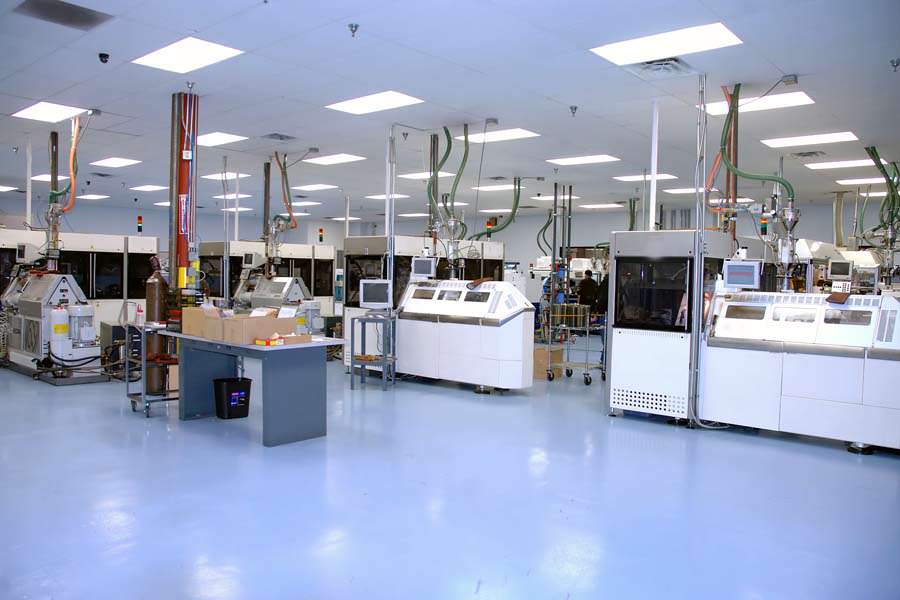
Manufacturing facilities (including plastic production, metal fabrication, and automotive plants) combine chemical exposure, heavy equipment loads, and constant material handling that wears down unprotected concrete quickly. A properly coated floor reduces dust contamination around sensitive machinery and speeds up spill cleanup.
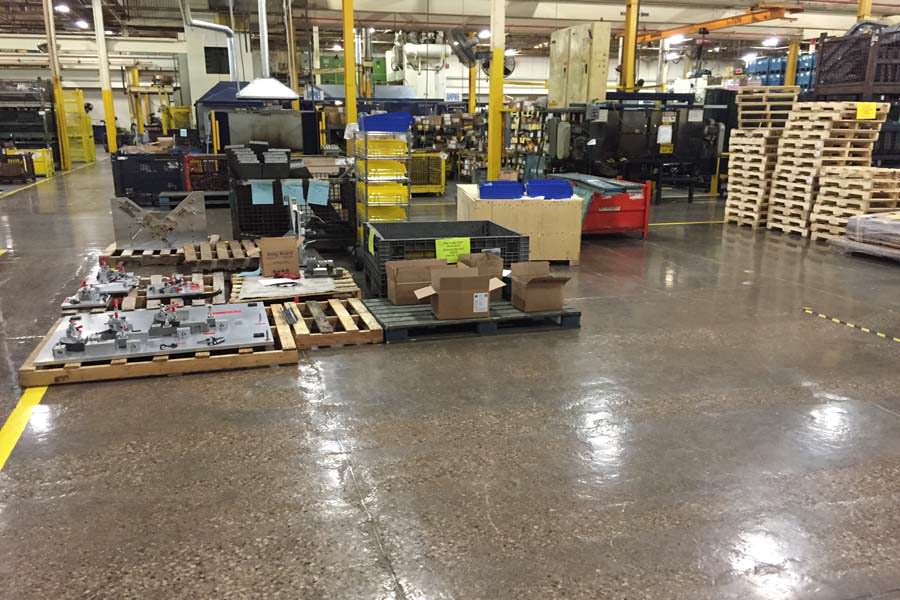
Warehousing operations rely on forklifts and pallet jacks moving repeatedly over the same paths, exactly the kind of concentrated traffic that causes bare concrete to crack and dust. Seamless epoxy flooring holds up to this wear while keeping the space easier to maintain for inventory storage.
Parking structures and garages face a different set of stresses, vehicle traffic, exposure to de-icing salt during Ontario winters, and moisture cycling. Facilities in this category typically look at floor coating systems designed to resist salt and chemical exposure alongside standard traffic wear.
How the Epoxy Flooring Process Works
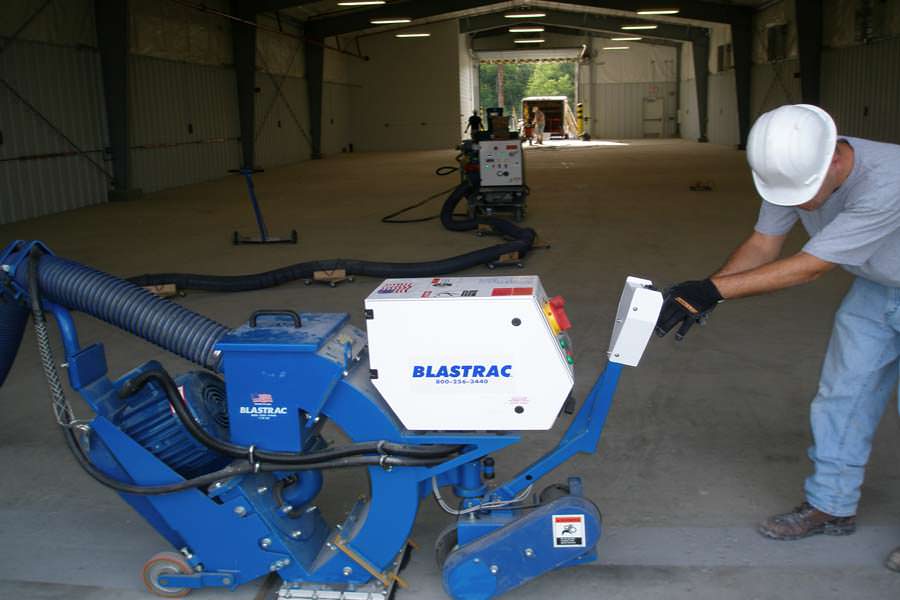
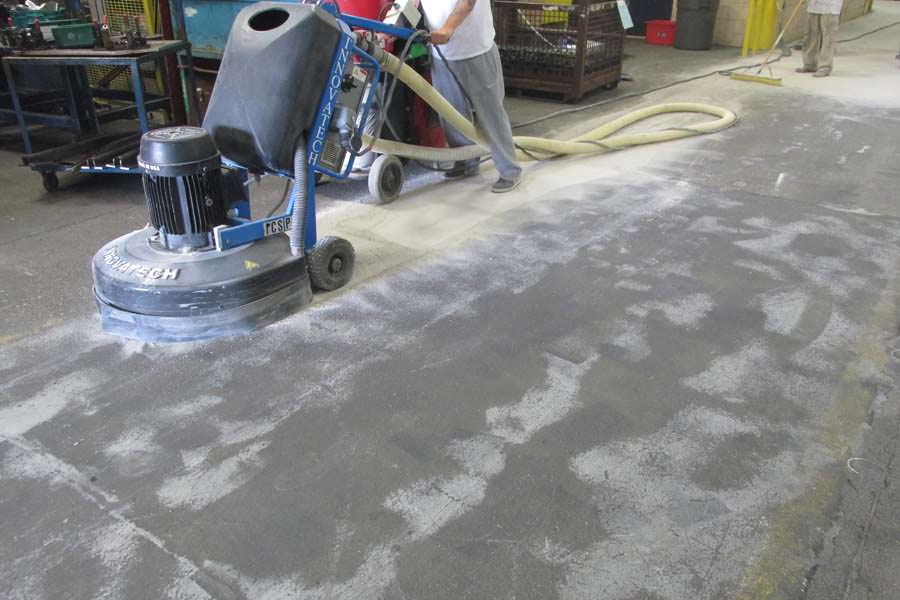
- Surface Assessment & Preparation: The floor is inspected, then prepared using diamond grinding or shot blasting to remove contaminants, old coatings, and surface laitance so the epoxy can bond properly. This step is the single biggest factor in how long a coating lasts.
- Crack & Joint Repair: Cracks, spalls, and expansion joints are filled and sealed to create a uniform, stable surface before coating begins.
- Oil Blocking Primer. In some environments an old oil soaked floor with need to be treated first with an oil blocking primer. This will give permanent adhesion to a floor that has oil in the slab penetrating down below the level that the grinding or shotblasting will clean
- Priming: A primer coat is applied to bond deeply with the concrete and improve adhesion for the layers that follow.
- Epoxy Application: Multiple layers are applied based on the facility’s traffic levels and chemical exposure, building the coating to the required thickness.
- Topcoat & Finishing: A topcoat is applied, with optional anti-slip additives or a gloss finish depending on the facility’s safety and appearance needs.
Cost Factors for Industrial Epoxy Floor Coating
| Factor | Why It Matters |
| Floor size & layout | Larger or irregularly shaped floors require more material and labor time |
| Existing floor condition | Cracked, oil-stained, or previously coated floors need more extensive prep before coating |
| Coating system selected | Self-leveling, mortar, ESD, or decorative systems vary in material and application needs |
| Traffic & load requirements | Heavier forklift or vehicle traffic may call for thicker builds or more durable systems |
| Downtime tolerance | Facilities needing a faster turnaround may require different scheduling around production hours |
Because every facility’s condition and operational needs differ, epoxy floor contractors like Induspray assess each project on-site before providing a price estimate; a general figure isn’t meaningful without knowing the substrate condition and coating system required.
Benefits of Epoxy Flooring
- Durability: A properly applied epoxy system withstands heavy, repeated traffic far better than bare concrete.
- Chemical & abrasion resistance: Epoxy resists oils, cleaning agents, and everyday wear from material handling. Some specialized epoxy coatings will resist strong acids or alkalis
- Seamless, low-maintenance surface: With no joints or porous areas to trap dirt, epoxy floors are easier to clean and maintain.
- No dusting: Sealing the concrete stops the fine dust that unsealed floors produce.
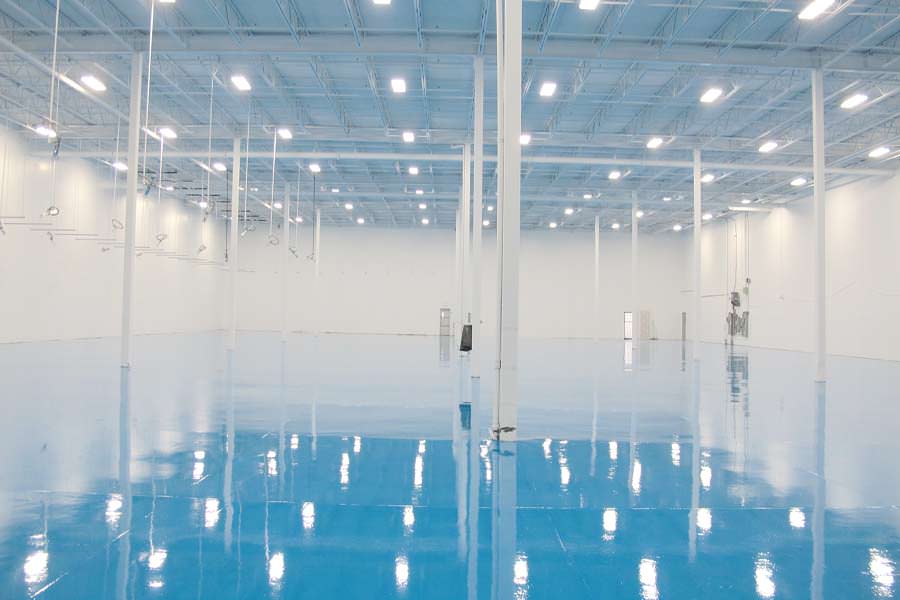
- Improved light reflection: Lighter epoxy finishes can increase reflected light on the production floor.
- Professional appearance: A clean, uniform floor presents a stronger impression to visiting clients and auditors.
Get a Floor Assessment
If your facility’s floors are dusting, cracked, or hard to keep clean, Induspray can assess the floor and recommend an epoxy flooring system suited to your operation. Contact Induspray to request a quote.
Epoxy flooring is one part of Induspray’s broader painting and coating work. Related services include Commercial Painting and Elastomeric Roof Coating. Visit the Induspray homepage for a full overview of services across Ontario.
Photo Gallery
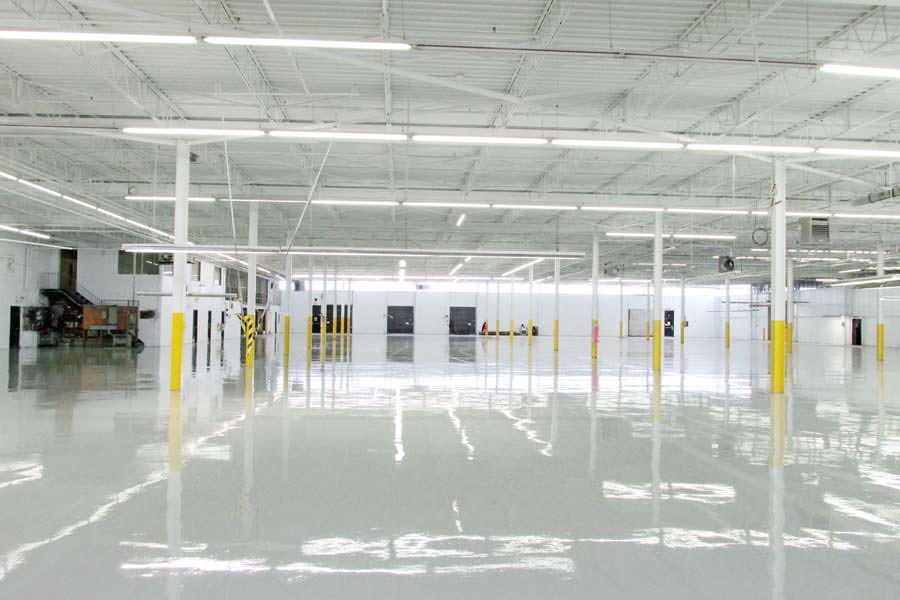
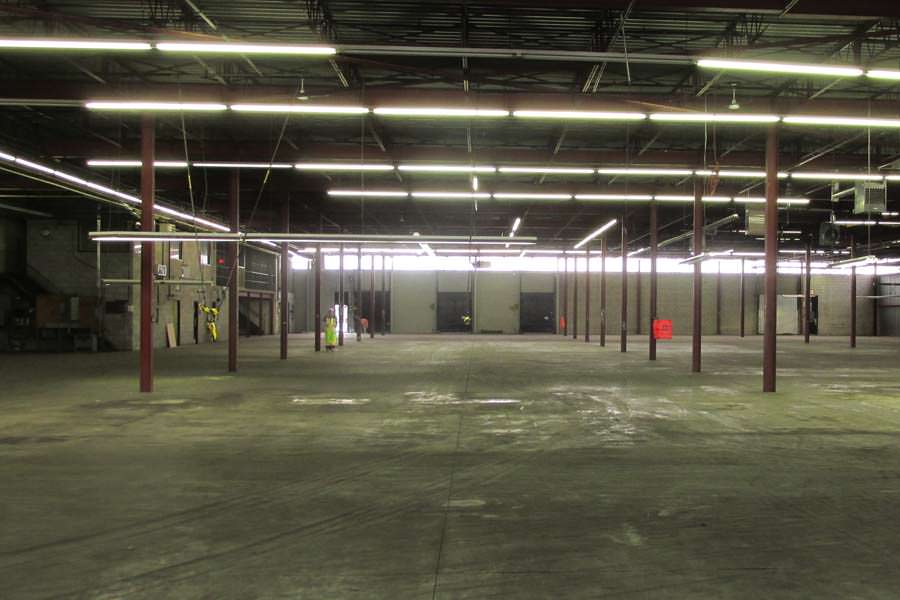
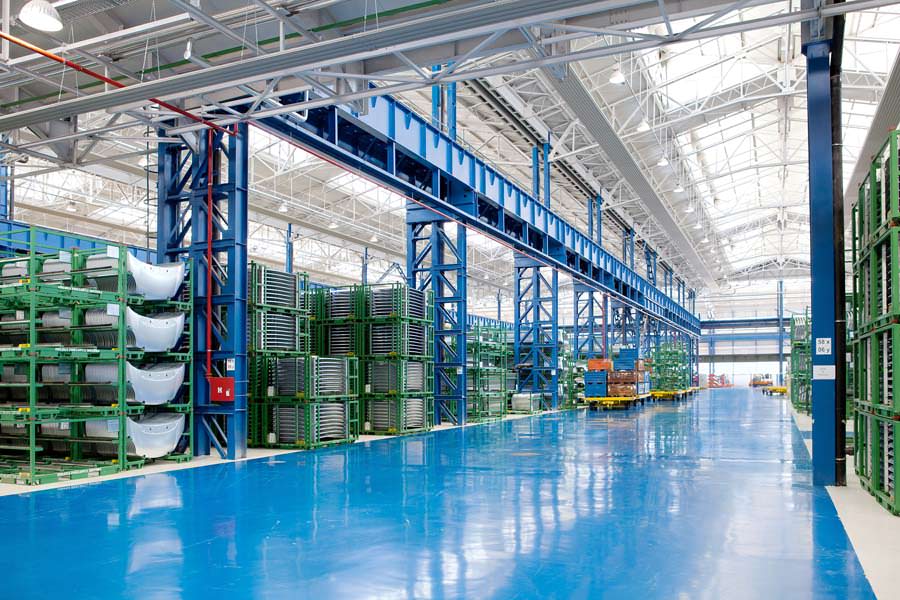
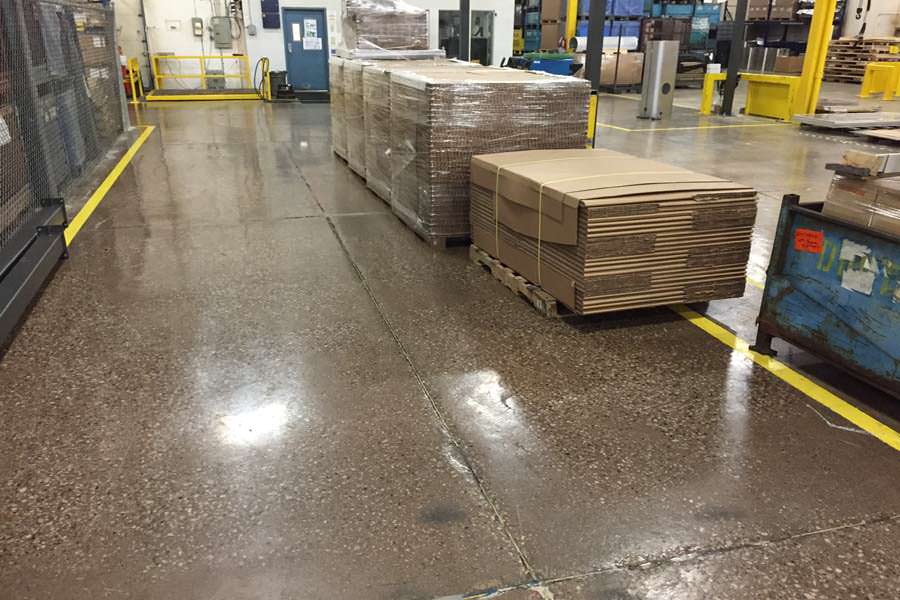
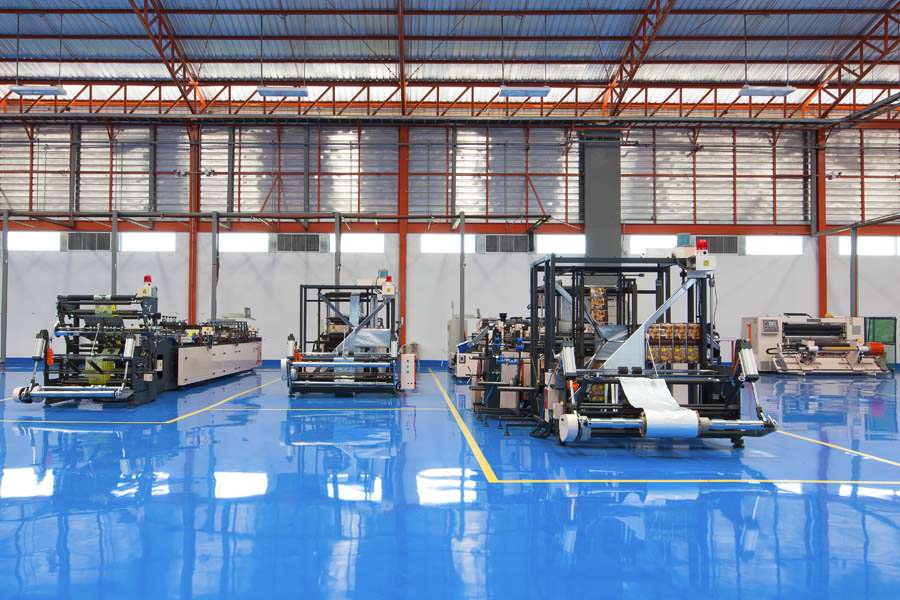
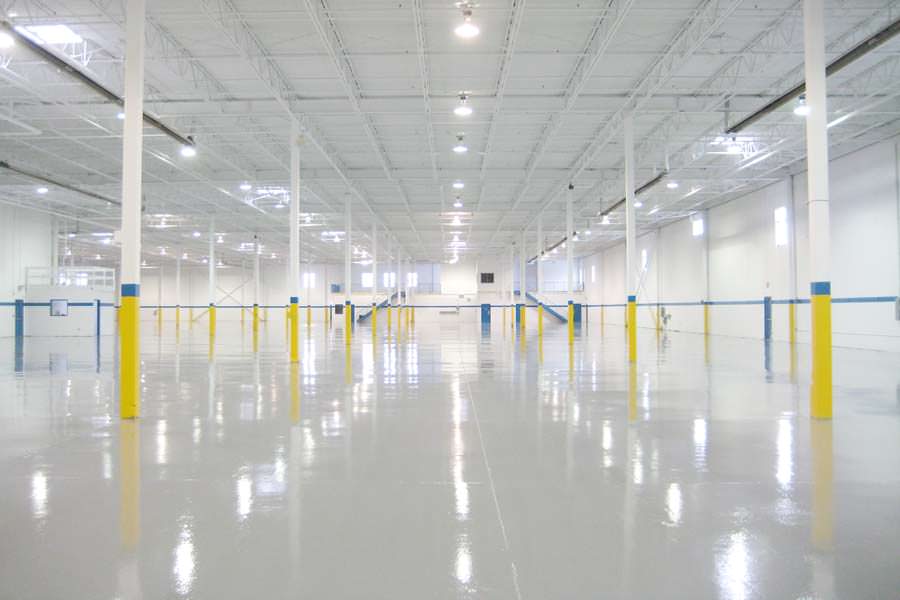
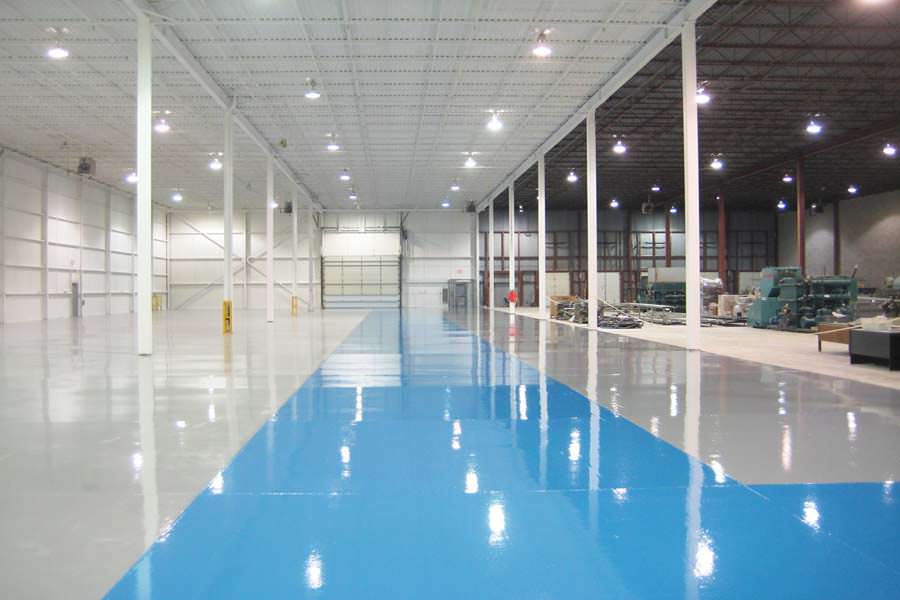
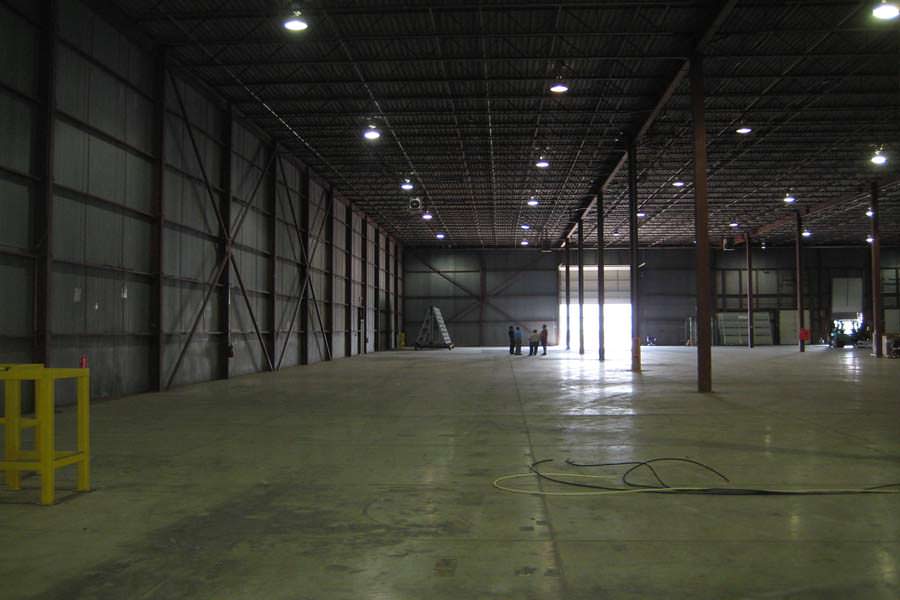
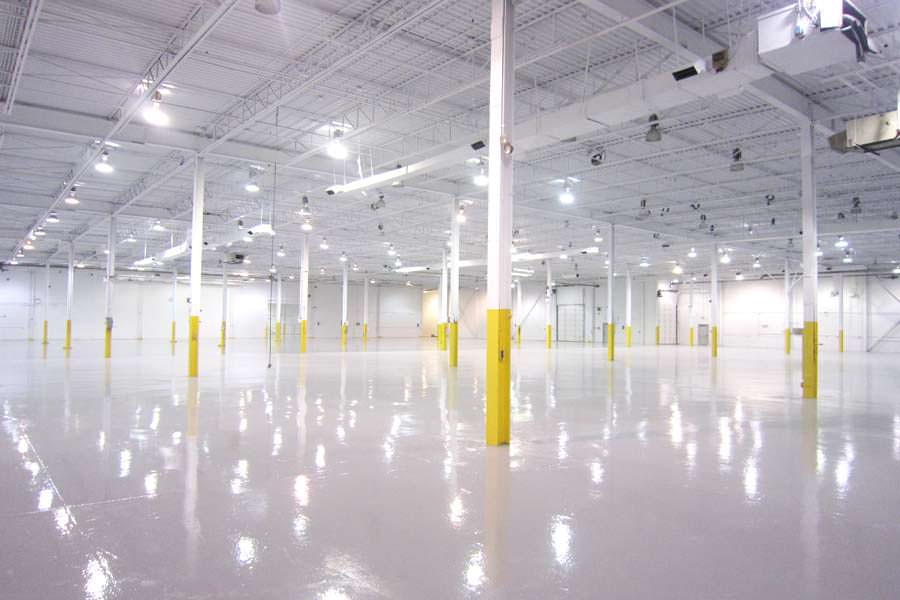
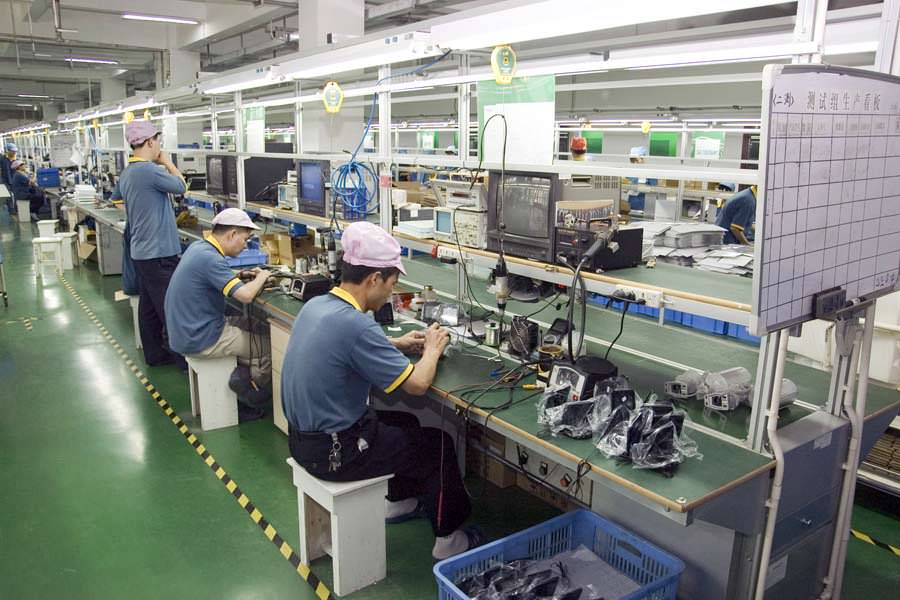
Click to view some of our industrial floor painting and epoxy floor coating projects.
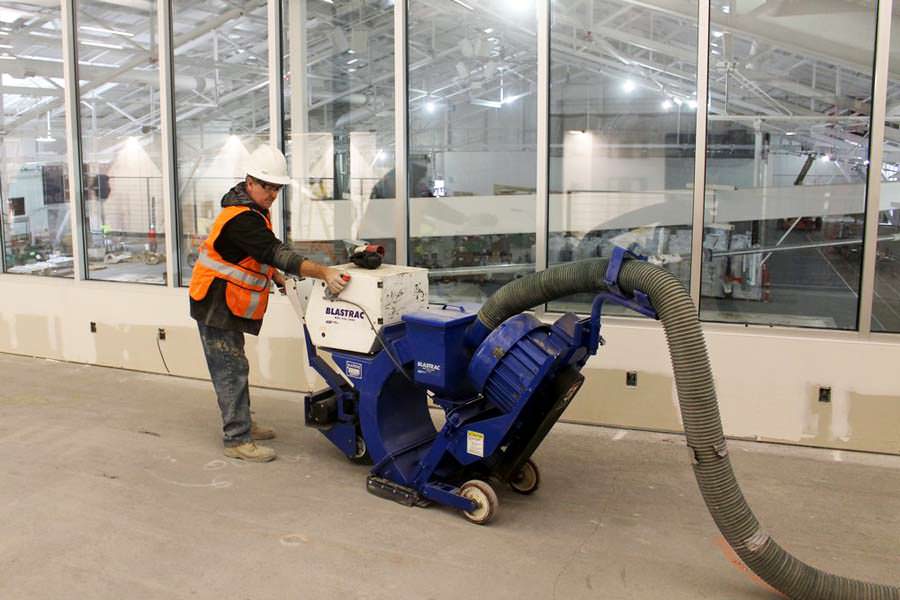
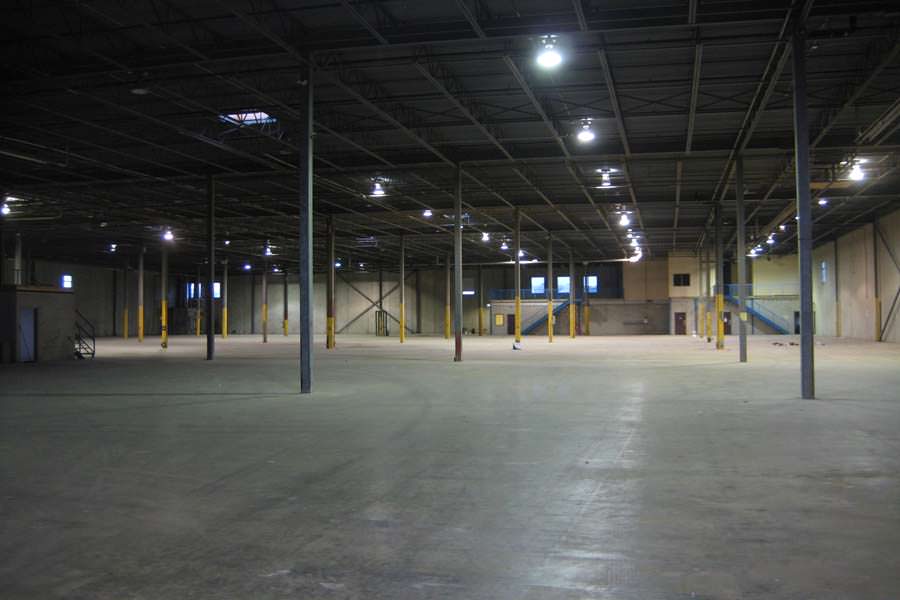
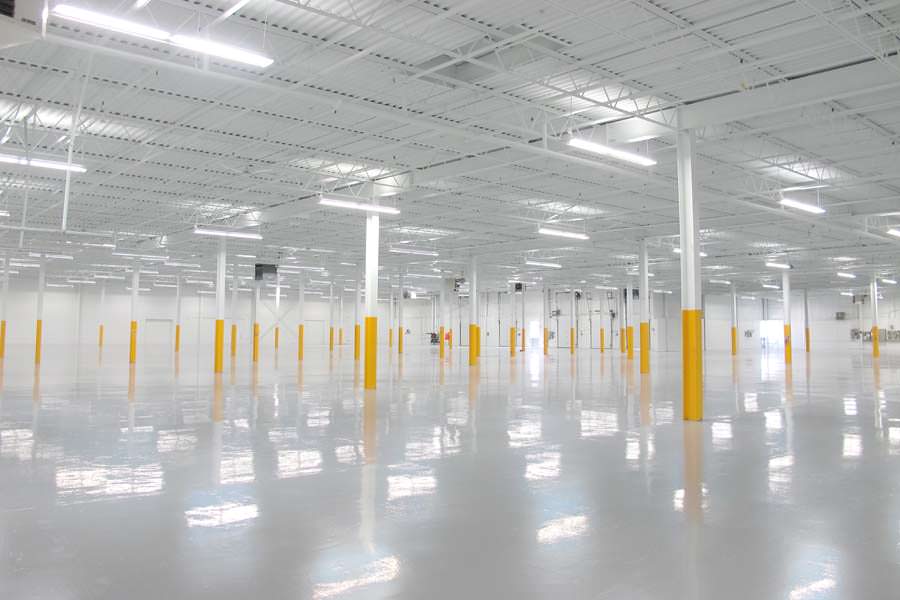
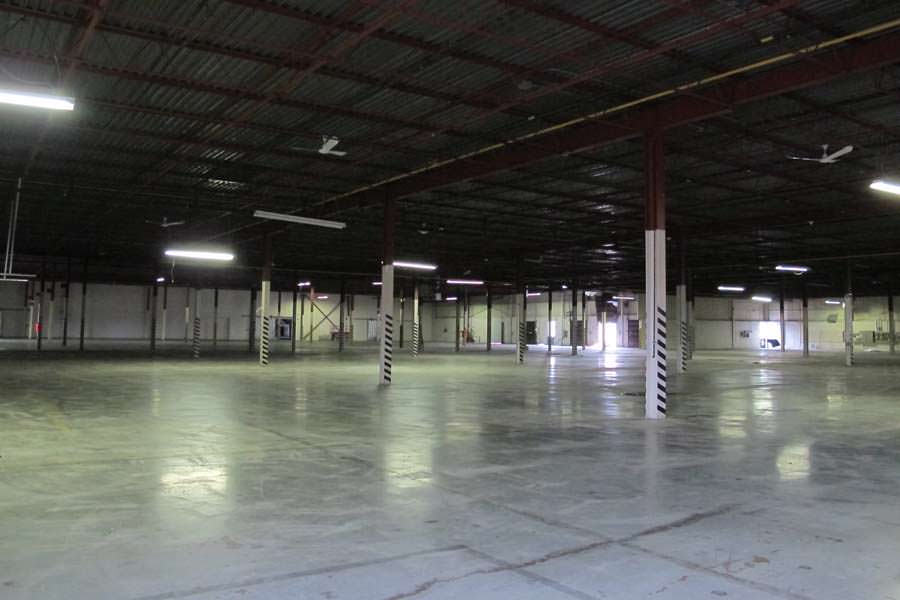
Video Gallery
Click to view some of our industrial painting projects showing the typical steps involved in repainting and restoring industrial facilities, including painting, refinishing, and epoxy coating concrete floors.
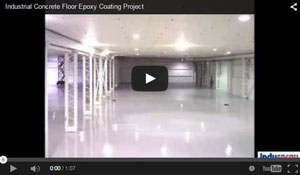
Industrial Concrete Floor Epoxy Coating Project
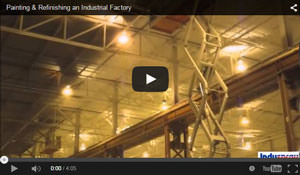
Painting & Refinishing an Industrial Factory
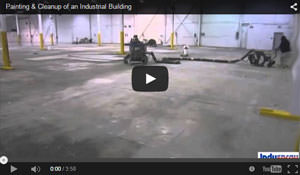
Painting & Cleanup of an Industrial Building
Locations We Service
We are Toronto industrial painters serving Toronto, the GTA, Southern Ontario, Western Ontario, Eastern Ontario and parts of Northern Ontario.
Our territory includes:
Our Customers
We’ve been in business since 1975, serving over 4,875 satisfied clients while completing thousands of industrial and commercial painting projects. These are just some of our customers:





Your Project
Have questions about painting or epoxy coating your floors? We can quickly assess your needs and make cost-effective recommendations. Contact us today — we’re here to help.
Start your project with expert advice and a great price.
FAQs on Epoxy Flooring
Can epoxy be applied over an existing concrete floor?
Yes. Existing floors can be coated with epoxy, but the surface must first be assessed and prepared, cracks repaired, contaminants removed, and the slab profiled to ensure proper adhesion.
How long does it take for epoxy flooring to cure?
Standard epoxy flooring systems typically have a two-day turnaround, with the floor ready to drive on by the third day. Fast-cure systems are also available for facilities that need to be back in operation within 24 hours.
What should a business look for in an industrial epoxy flooring contractor in Toronto?
Choose an industrial epoxy flooring contractor based on surface preparation, coating suitability for your facility, experience with industrial environments, and the ability to minimize production downtime.
Is epoxy flooring suitable for facilities with heavy vehicle or equipment traffic?
Yes, several epoxy systems, including mortar-based and quartz broadcast systems, are built specifically for heavier industrial and vehicle traffic loads.